As a supplier of Boom Weed Sprayers, one question that often comes up from our customers is whether there are any noise issues associated with these machines. In this blog post, I'll delve into the topic, exploring the factors that contribute to noise in boom weed sprayers, the potential impacts of this noise, and what we're doing to address it.
Understanding the Sources of Noise in Boom Weed Sprayers
Boom weed sprayers are complex pieces of equipment, and several components can generate noise during operation. The primary sources of noise typically include the engine, the pump, and the movement of the boom itself.
The engine is often the most significant contributor to noise. In most boom weed sprayers, a combustion engine is used to power the machine. These engines work by burning fuel to create mechanical energy, and this process is inherently noisy. The noise level can vary depending on the type of engine, its size, and its operating conditions. For example, a larger engine with more cylinders may produce more noise than a smaller one. Additionally, engines that are running at high speeds or under heavy loads tend to be louder.
The pump is another major source of noise. The pump is responsible for pressurizing the liquid in the sprayer and delivering it through the nozzles. As the pump operates, it creates vibrations and pressure fluctuations that can result in audible noise. The design and efficiency of the pump can also affect the noise level. Older or poorly maintained pumps may be noisier than newer, more advanced models.
The movement of the boom can also generate noise. As the boom extends and retracts, or as it sways in the wind, it can produce rattling or scraping sounds. This is especially true if the boom is not properly balanced or if there are loose components.
The Impact of Noise from Boom Weed Sprayers
The noise generated by boom weed sprayers can have several impacts. From an operator's perspective, prolonged exposure to high levels of noise can lead to hearing loss and other health problems. According to the World Health Organization, continuous exposure to noise levels above 85 decibels (dB) can cause permanent damage to the ears. Many boom weed sprayers operate at noise levels well above this threshold, especially when the engine is running at full power.
In addition to the health risks for operators, noise from boom weed sprayers can also be a nuisance to nearby residents, wildlife, and other workers. Excessive noise can disrupt the peace and quiet of rural areas, interfere with wildlife communication and behavior, and cause stress and distraction for people in the vicinity. This can lead to complaints and potential legal issues for farmers and sprayer operators.
Addressing Noise Issues in Boom Weed Sprayers
At our company, we understand the importance of addressing noise issues in boom weed sprayers. We are committed to providing our customers with high-quality, low-noise equipment that meets their needs while minimizing the impact on the environment and human health.
One of the ways we address noise is through the selection of engines and pumps. We work with leading manufacturers to source engines and pumps that are designed for quiet operation. These components often incorporate advanced technologies such as noise-reducing enclosures, vibration dampening materials, and efficient mufflers. By choosing these quieter components, we can significantly reduce the overall noise level of our boom weed sprayers.
We also pay close attention to the design and construction of the boom itself. Our engineers use advanced computer-aided design (CAD) software to optimize the boom's structure and balance, reducing the amount of noise generated by its movement. Additionally, we use high-quality materials and precision manufacturing techniques to ensure that all components fit together tightly and securely, minimizing rattling and vibration.
Another important aspect of noise reduction is proper maintenance. We provide our customers with detailed maintenance instructions and recommend regular servicing to keep their boom weed sprayers in optimal condition. This includes checking and tightening all bolts and connections, lubricating moving parts, and replacing worn or damaged components. By keeping the sprayer well-maintained, we can help to reduce noise and extend its lifespan.
Comparing Different Types of Boom Weed Sprayers
There are several different types of boom weed sprayers available on the market, each with its own unique features and noise characteristics. Let's take a look at some of the most common types:
- Manual Boom Sprayers: Manual Boom Sprayers are typically smaller and less powerful than other types of sprayers. They are often used for small-scale applications, such as spraying gardens or small fields. Because they are manually operated, they generally produce less noise than engine-powered sprayers. However, the noise level can still vary depending on the type of pump used and the amount of pressure required.
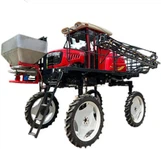
- Front Boom Self-propelled Sprayers: Front Boom Self-propelled Sprayers are larger and more powerful than manual sprayers. They are designed for use in large fields and can cover a significant area in a relatively short period of time. These sprayers are powered by engines, which can generate a considerable amount of noise. However, many modern front boom self-propelled sprayers are equipped with noise-reducing features to minimize the impact on operators and the environment.
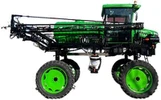
- High Clearance Boom Sprayers: High Clearance Boom Sprayers are specifically designed for use in crops that require a high clearance, such as corn or soybeans. They are typically larger and more powerful than other types of sprayers and can operate in rough terrain. The engines and pumps used in high clearance boom sprayers can produce a significant amount of noise, but again, manufacturers are constantly working to develop quieter models.
Conclusion
In conclusion, while there can be noise issues associated with boom weed sprayers, there are also many steps that can be taken to address them. By choosing the right equipment, maintaining it properly, and using noise-reducing technologies, we can minimize the impact of noise on operators, the environment, and nearby communities.


If you're in the market for a boom weed sprayer and have concerns about noise, please don't hesitate to contact us. Our team of experts is here to help you find the right solution for your needs. We can provide you with detailed information about the noise levels of our different models and offer advice on how to reduce noise during operation. Whether you're a small-scale farmer or a large agricultural operation, we have the products and expertise to meet your requirements. Let's start a conversation about your sprayer needs and how we can work together to ensure a quiet and efficient spraying experience.
References
- World Health Organization. (2018). Guidelines for community noise.
- Agricultural Engineers Association. (2020). Noise in agricultural machinery: Causes and solutions.
- Manufacturer specifications for various boom weed sprayer models.