Hey there! As a supplier of Boom Sprayer 4WD Axles, I often get asked a bunch of questions about these nifty pieces of equipment. One question that pops up quite a bit is, "Can a Boom Sprayer 4WD Axle be used in wet conditions?" Well, let's dive right in and explore this topic.


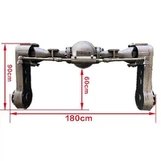
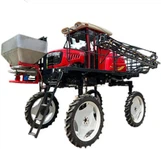
First off, let's talk about what a Boom Sprayer 4WD Axle is. A Boom Sprayer 4WD 4WD Axle is a crucial part of a boom sprayer. It provides the power and stability needed to move the sprayer around the fields, especially when you're dealing with large areas. The 4WD (four-wheel drive) feature gives it better traction, which is super important when you're working on uneven or slippery terrain.
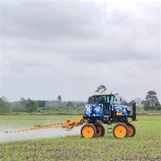
Now, when it comes to using it in wet conditions, there are a few things to consider. One of the main concerns is traction. In wet conditions, the ground can be slippery, and having good traction is essential to prevent the sprayer from getting stuck or losing control. The 4WD system on the boom sprayer axle is designed to help with this. It distributes power to all four wheels, which can significantly improve traction on wet or muddy ground.
Another factor to think about is the durability of the axle. Wet conditions can expose the axle to moisture, which can lead to rust and corrosion over time. However, modern Boom Sprayer 4WD 4WD Axles are often made with high-quality materials and coatings that are resistant to rust and corrosion. For example, some axles are made from galvanized steel or have special paint finishes that protect them from the elements.
But it's not just about the axle itself. The tires on the boom sprayer also play a big role in its performance in wet conditions. Tires with deep treads are better at channeling water away from the contact patch, which helps to maintain traction. So, if you're planning to use your boom sprayer in wet conditions, make sure you have the right tires.
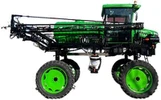
Let's also talk about the Boom Sprayer Raised Chassis. A raised chassis can be a great addition when working in wet conditions. It gives the sprayer more ground clearance, which means it's less likely to get bogged down in mud or water. This can be especially useful in fields that tend to flood or have standing water after heavy rain.
Similarly, the Boom Sprayer Raised Axle can also enhance the performance of the boom sprayer in wet conditions. A raised axle provides even more ground clearance, allowing the sprayer to navigate through deeper water and mud without getting stuck.
Now, I know what you're thinking. "That all sounds great, but are there any downsides to using a boom sprayer in wet conditions?" Well, there are a few things to keep in mind. For one, working in wet conditions can be more challenging and potentially dangerous. The slippery ground can make it easier to lose control of the sprayer, and there's also a risk of electrical components getting wet, which could lead to malfunctions.
Another thing to consider is the impact on the crops. Spraying in wet conditions can cause the spray to run off the plants and into the soil, which can reduce the effectiveness of the treatment and potentially contaminate the soil. So, it's important to be careful and make sure you're following the proper procedures when spraying in wet conditions.
Despite these potential challenges, many farmers and agricultural workers find that using a Boom Sprayer 4WD 4WD Axle in wet conditions is still worth it. It allows them to get the job done even when the weather isn't ideal, which can be crucial for maintaining the health and productivity of their crops.
If you're considering using a boom sprayer in wet conditions, here are a few tips to keep in mind:
- Check the weather forecast before you start spraying. If heavy rain is expected, it might be best to wait until the conditions improve.
- Make sure your boom sprayer is properly maintained. This includes checking the tires, brakes, and electrical components regularly to ensure they're in good working condition.
- Use the right tires for the conditions. As I mentioned earlier, tires with deep treads are better for wet and muddy ground.
- Be careful when driving the sprayer. Take it slow and avoid sudden turns or stops, as this can increase the risk of losing control.
- Follow the manufacturer's instructions for operating the boom sprayer in wet conditions. This will help ensure that you're using the equipment safely and effectively.
In conclusion, a Boom Sprayer 4WD 4WD Axle can definitely be used in wet conditions. With the right precautions and proper maintenance, it can provide reliable performance and help you get the job done even when the weather isn't perfect.
If you're in the market for a high-quality boom sprayer axle or have any questions about using them in wet conditions, feel free to reach out. We're here to help you find the best solution for your needs.
References:
- Agricultural Machinery Handbook
- Research papers on boom sprayer technology and performance in various conditions