Can a boom sprayer be used for spraying in paddy fields? That's a question I often get asked as a boom sprayer supplier. In this blog, I'll dig into this topic and share some insights based on my experience in the industry.
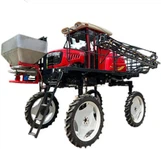
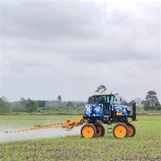
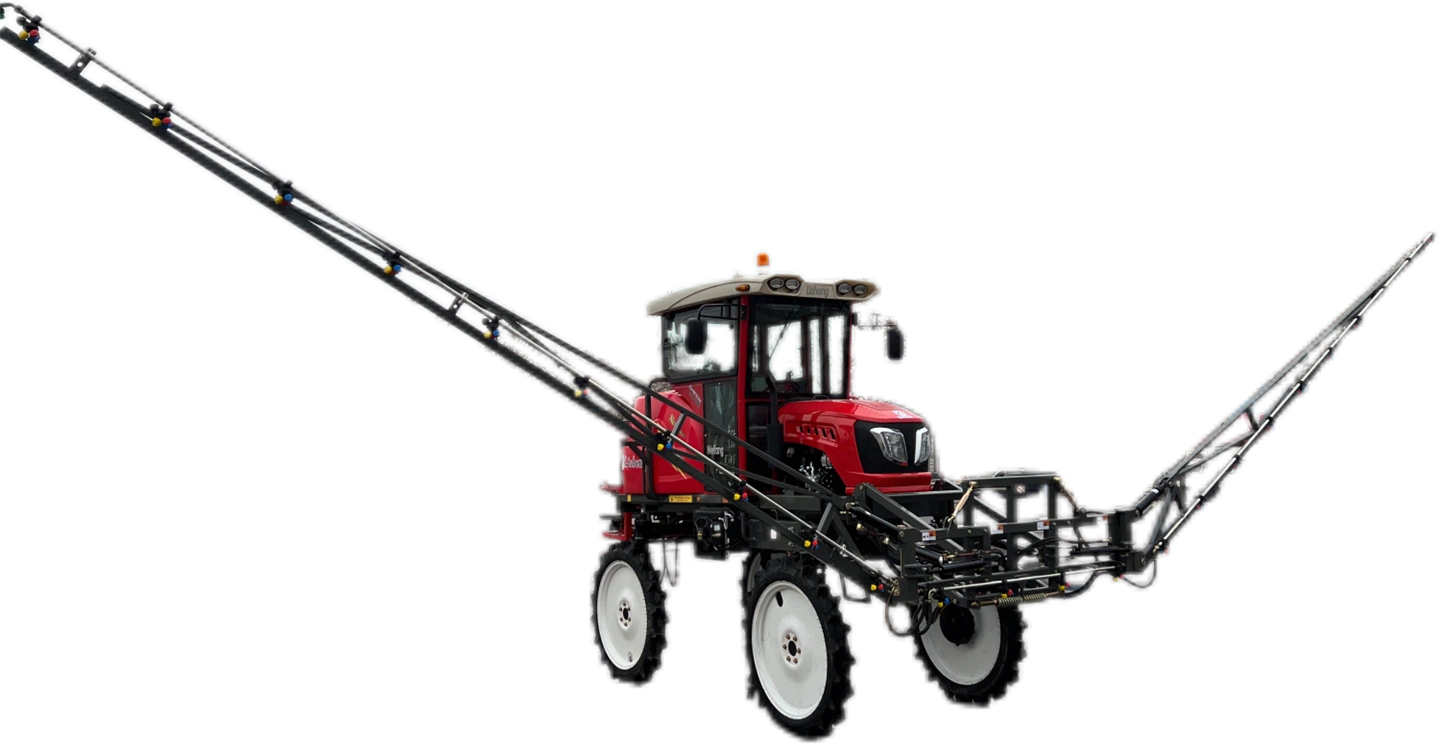
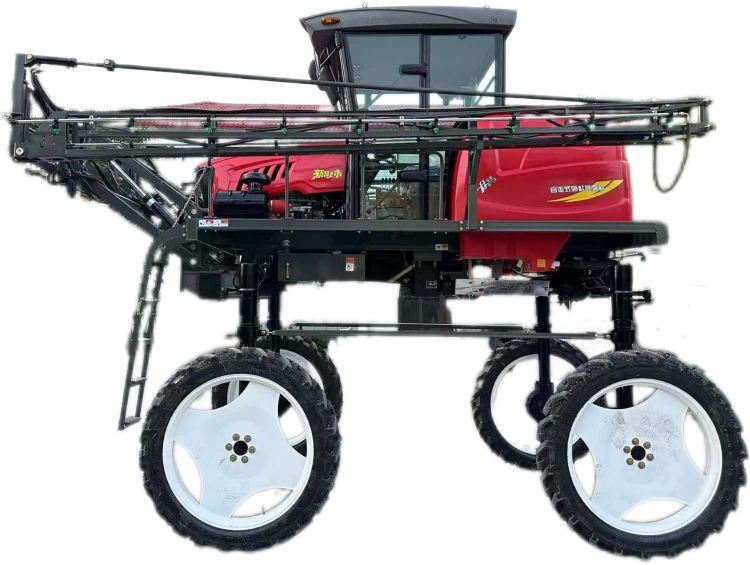
First off, let's talk about what a boom sprayer is. A boom sprayer is a piece of equipment used for applying pesticides, fertilizers, and other agricultural chemicals over a large area. It consists of a tank to hold the liquid, a pump to pressurize it, and a boom with nozzles that distribute the spray evenly. There are different types of boom sprayers, like the High Clearance Boom Sprayer and the Self-propelled High Clearance Boom Sprayer, each designed for specific applications.
Now, can it be used in paddy fields? The short answer is yes, but there are some factors to consider.
Advantages of Using a Boom Sprayer in Paddy Fields
Efficiency
One of the biggest advantages of using a boom sprayer in paddy fields is efficiency. These sprayers can cover a large area in a relatively short time. With a wide boom, you can spray multiple rows of rice plants simultaneously, reducing the time and labor required for spraying. This is especially important during the peak growing season when time is of the essence.
Uniform Application
Boom sprayers are designed to provide a uniform application of chemicals. The nozzles on the boom are carefully calibrated to ensure that the spray is distributed evenly across the field. This helps to ensure that all the rice plants receive the right amount of pesticides or fertilizers, which can improve crop health and yield.
Versatility
Most boom sprayers can be adjusted to suit different field conditions and crop requirements. You can change the height of the boom, the spray pressure, and the nozzle type to achieve the best results. This makes them suitable for use in paddy fields of different sizes and shapes.
Challenges of Using a Boom Sprayer in Paddy Fields
Waterlogged Conditions
Paddy fields are often waterlogged, which can pose a challenge for boom sprayers. The wheels or tracks of the sprayer can get stuck in the mud, making it difficult to move around the field. To overcome this problem, some boom sprayers are designed with high clearance and wide tires or tracks to provide better traction in wet conditions. The High Clearance Boom Sprayer is a good example of a sprayer that is suitable for use in waterlogged fields.
Crop Damage
Another challenge is the risk of crop damage. The boom of the sprayer can come into contact with the rice plants, causing them to bend or break. To minimize this risk, it's important to choose a sprayer with a boom that can be adjusted to the appropriate height. You should also drive the sprayer slowly and carefully to avoid hitting the plants.
Chemical Drift
Chemical drift is a common problem when using boom sprayers. The wind can carry the spray away from the target area, causing it to land on non-target plants or areas. This can not only reduce the effectiveness of the spray but also cause environmental damage. To prevent chemical drift, it's important to choose the right time of day to spray, when the wind is calm. You should also use the appropriate nozzle type and spray pressure to minimize the amount of drift.
Tips for Using a Boom Sprayer in Paddy Fields
Choose the Right Sprayer
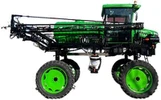
As mentioned earlier, there are different types of boom sprayers available, each with its own features and capabilities. When choosing a sprayer for use in paddy fields, you should consider factors such as the size of the field, the type of crops, and the water conditions. The Self-propelled High Clearance Boom Sprayer is a great option for large paddy fields, as it offers high clearance and self-propulsion, making it easy to maneuver in wet conditions.
Prepare the Field
Before using the boom sprayer, it's important to prepare the field. This includes removing any weeds or debris that could interfere with the sprayer's operation. You should also level the field as much as possible to ensure that the sprayer can move smoothly.
Calibrate the Sprayer
Calibrating the sprayer is essential to ensure that the correct amount of chemical is applied to the field. This involves measuring the flow rate of the nozzles and adjusting the spray pressure and boom height accordingly. You should calibrate the sprayer before each use to ensure accurate application.
Follow Safety Precautions
Using a boom sprayer involves handling chemicals, which can be hazardous if not handled properly. You should always wear protective clothing, such as gloves, goggles, and a respirator, when operating the sprayer. You should also follow the manufacturer's instructions for mixing and applying the chemicals to ensure safe and effective use.
Conclusion
In conclusion, a boom sprayer can be used for spraying in paddy fields, but it's important to consider the challenges and take the necessary precautions. By choosing the right sprayer, preparing the field, calibrating the equipment, and following safety guidelines, you can achieve efficient and effective spraying in your paddy fields.
If you're interested in purchasing a boom sprayer for your paddy fields or have any questions about our products, feel free to reach out. We're here to help you find the best solution for your agricultural needs.
References
- Agricultural Equipment Handbook
- Paddy Field Management Best Practices Guide