As a supplier of ATV sprayers with booms, I am often asked whether these versatile machines can be used for spraying herbicides. The short answer is yes, ATV sprayers with booms are highly effective tools for herbicide application. In this blog post, I will delve into the details of why they are suitable, their advantages, considerations, and how they compare to other types of sprayers.
Suitability of ATV Sprayers with Booms for Herbicide Spraying
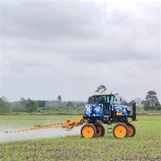
ATV sprayers with booms are designed to cover large areas efficiently, making them ideal for herbicide spraying. Herbicides are used to control unwanted weeds in various settings, including agricultural fields, lawns, and pastures. The booms on these sprayers can be extended to reach a wide swath of land, ensuring that the herbicide is evenly distributed over the target area.


The mobility of an ATV is another significant advantage. It allows the operator to easily navigate through different terrains, such as rough fields, hilly areas, and around obstacles. This is particularly useful when applying herbicides in areas that are difficult to access with larger, more traditional sprayers. For example, in a vineyard, an ATV sprayer with a boom can be maneuvered between the rows of vines to target weeds without damaging the crops.
Advantages of Using ATV Sprayers with Booms for Herbicide Application
- Precision Application: The booms on ATV sprayers can be adjusted to control the width and height of the spray pattern. This precision allows for targeted herbicide application, reducing the amount of herbicide used and minimizing the risk of drift onto non - target areas. For instance, if there are patches of weeds in a large field, the operator can adjust the boom to cover only those specific areas.
- Cost - Effective: Compared to larger self - propelled sprayers, ATV sprayers with booms are generally more affordable. They also require less fuel and maintenance, making them a cost - effective option for small to medium - sized farms and landowners. Additionally, the initial investment in an ATV sprayer is relatively low, which is beneficial for those on a tight budget.
- Time - Saving: The ability to cover a large area quickly is a major advantage. With the extended booms, an ATV sprayer can spray a wider area in less time compared to manual spraying methods. This is especially important during the peak growing season when weeds need to be controlled promptly to prevent them from competing with crops for nutrients, water, and sunlight.
Considerations When Using ATV Sprayers with Booms for Herbicide Spraying
- Herbicide Compatibility: Not all herbicides are suitable for use with ATV sprayers. Some herbicides may be too thick or corrosive for the sprayer's components. It is essential to check the herbicide label for compatibility with the sprayer and follow the manufacturer's instructions. Additionally, proper cleaning of the sprayer after each use is crucial to prevent herbicide residue from clogging the nozzles or damaging the equipment.
- Weather Conditions: Wind speed and direction can significantly affect the effectiveness of herbicide spraying. High winds can cause the herbicide to drift onto non - target areas, reducing its efficacy and potentially causing damage to neighboring crops or plants. It is recommended to spray when the wind speed is between 3 - 10 miles per hour and to avoid spraying during gusty conditions. Temperature and humidity also play a role, as some herbicides may be less effective in extreme heat or cold.
- Nozzle Selection: The type of nozzle used on the boom can have a significant impact on the spray pattern and droplet size. Different herbicides require different droplet sizes for optimal coverage and effectiveness. For example, herbicides that need to be absorbed by the leaves may require a finer droplet size, while those that need to reach the soil surface may require a coarser droplet size.
Comparison with Other Types of Sprayers
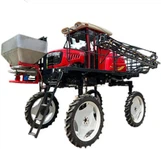
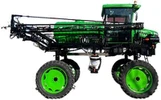
- Front Boom Self - propelled Sprayers: Front boom self - propelled sprayers are larger and more powerful than ATV sprayers. They are typically used for large - scale agricultural operations. While they offer a greater spraying capacity and can cover larger areas in a shorter time, they are also more expensive to purchase, operate, and maintain. ATV sprayers are a better option for smaller farms or areas with limited access.
- Manual Boom Sprayers: Manual boom sprayers require physical effort to operate and are generally slower and less efficient than ATV sprayers. They are suitable for very small areas or for spot - spraying. ATV sprayers, on the other hand, can cover larger areas more quickly and with less physical exertion.
- 700l Boom Sprayers: 700l boom sprayers are larger in capacity and are often used for medium to large - scale herbicide application. They are more stable and can carry a larger volume of herbicide, reducing the need for frequent refilling. However, they may be less maneuverable than ATV sprayers, especially in areas with tight spaces or uneven terrain.
Conclusion
In conclusion, ATV sprayers with booms are an excellent choice for herbicide spraying. They offer precision, cost - effectiveness, and mobility, making them suitable for a wide range of applications. However, it is important to consider herbicide compatibility, weather conditions, and nozzle selection to ensure effective and safe spraying.
If you are interested in purchasing an ATV sprayer with a boom for herbicide application or have any questions about our products, please feel free to contact us for further information and to discuss your specific needs. We are committed to providing high - quality products and excellent customer service to help you achieve your weed control goals.
References
- "Weed Control in Agriculture: Best Practices", Agricultural Research Institute, 2022.
- "Sprayer Technology and Application", Chemical Industry Press, 2021.
- "Herbicide Compatibility and Application Guidelines", Herbicide Manufacturer's Handbook, 2023.