Hey there! I'm from a roto telehandler supplier, and today I'm gonna break down how the steering system in a roto telehandler works.
First off, let's understand what a roto telehandler is. It's a pretty nifty piece of equipment, often used in construction, agriculture, and other industries. It combines the functions of a forklift and a crane, with a rotating turret and a telescopic boom that can lift and move heavy loads. And just like any vehicle, a proper steering system is crucial for its operation.
Basic Components of the Steering System
The steering system in a roto telehandler is made up of several key parts. The first one is the steering wheel, which is what the operator uses to control the direction of the machine. When you turn the steering wheel, it sends a signal to the rest of the steering system.
Next, there's the steering column. It connects the steering wheel to the steering gear. The steering column also houses the steering shaft, which transfers the rotational motion from the steering wheel to the steering gear.
The steering gear is a vital component. It takes the relatively small force applied by the operator at the steering wheel and amplifies it to turn the wheels of the roto telehandler. There are different types of steering gears, but the most common ones used in roto telehandlers are the rack - and - pinion and the recirculating ball steering gears.
The rack - and - pinion steering gear consists of a pinion gear (connected to the steering shaft) and a rack (a straight bar with teeth). When the steering wheel is turned, the pinion gear rotates and moves the rack either left or right. This movement is then transferred to the tie rods, which are connected to the wheels, causing them to turn.
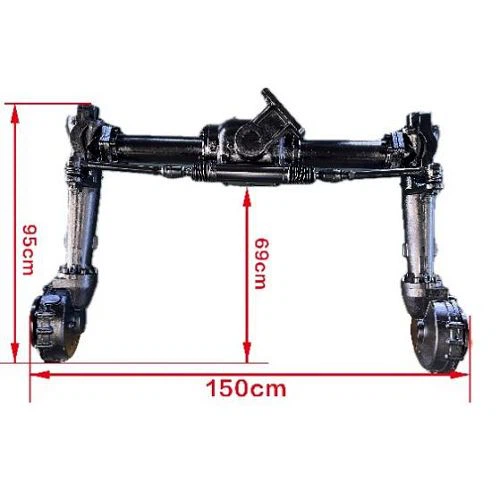

The recirculating ball steering gear, on the other hand, uses a worm gear and a nut with recirculating balls. As the steering wheel turns, the worm gear rotates, and the balls in the nut move, causing the steering arm to turn. This type of steering gear is known for its durability and ability to handle heavy loads, which is why it's often used in larger roto telehandlers.
Then there are the tie rods. These are metal rods that connect the steering gear to the steering knuckles on the wheels. They transfer the movement from the steering gear to the wheels, allowing them to turn in the desired direction.
Power Steering in Roto Telehandlers
Most modern roto telehandlers are equipped with power steering. Power steering makes it much easier for the operator to turn the steering wheel, especially when the machine is stationary or moving slowly.
There are two main types of power steering systems: hydraulic power steering and electric power steering.
Hydraulic power steering is the more traditional type. It uses a hydraulic pump, usually driven by the engine, to generate hydraulic pressure. This pressure is then used to assist the operator in turning the steering wheel. When the operator turns the steering wheel, a control valve in the power steering system directs the hydraulic fluid to the appropriate side of the steering gear, providing the necessary force to turn the wheels.
Electric power steering, on the other hand, uses an electric motor to assist with steering. It's more energy - efficient than hydraulic power steering and can be more precisely controlled. The electric motor is controlled by an electronic control unit (ECU), which takes into account factors such as the speed of the machine and the amount of force applied to the steering wheel.
Steering Modes in Roto Telehandlers
One of the unique features of roto telehandlers is their ability to have multiple steering modes. These modes allow the machine to be more maneuverable in different situations.
The most common steering modes are:
- Two - wheel steering: In this mode, only the rear wheels or the front wheels are used for steering. It's similar to the steering system in a regular car. This mode is useful for straight - line driving and when you need to cover long distances.
- Four - wheel steering: In four - wheel steering, all four wheels are used for steering. There are two types of four - wheel steering: coordinated and crab steering. In coordinated four - wheel steering, the rear wheels turn in the opposite direction of the front wheels at low speeds, which reduces the turning radius of the machine. At high speeds, the rear wheels turn in the same direction as the front wheels, improving stability. Crab steering, on the other hand, allows all four wheels to turn in the same direction, enabling the roto telehandler to move sideways. This is very useful when you need to position the machine in a tight space.
Maintenance of the Steering System
Proper maintenance of the steering system in a roto telehandler is essential to ensure its safe and efficient operation.
Regularly check the steering fluid level if your roto telehandler has a hydraulic power steering system. Low fluid levels can cause the steering to become stiff or unresponsive. Also, look for any signs of leaks in the hydraulic system, such as fluid puddles under the machine.
Inspect the steering components for wear and tear. Check the tie rods, steering knuckles, and the steering gear for any signs of damage or excessive play. Worn - out components can affect the steering performance and safety of the machine.
Keep the steering wheel and the steering column clean. Dirt and debris can get into the steering mechanism and cause problems.
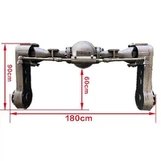
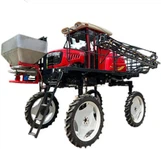
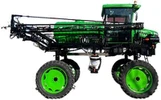
If you're looking for other equipment related to heavy - duty work, we also have some great options. Check out our Diesel Remote Control Lawn Mower, which is perfect for large - scale lawn maintenance. And for spraying applications, our Four - wheel Sprayer and Boom Sprayer Axle 4×4 are top - notch choices.
If you're interested in our roto telehandlers or any of our other products, don't hesitate to reach out to us for a purchase negotiation. We're always happy to discuss your needs and find the best solutions for you.
References
- "Construction Equipment Handbook" by Frank W. Hoffman
- "Automotive Steering Systems: Design and Analysis" by J. Crolla and R. Sharp