Hey there! As a supplier of Hydraulic Boom Sprayers, I often get asked about how to adjust the angle of the nozzles in these machines. It's a crucial aspect that can significantly impact the efficiency and effectiveness of your spraying operations. So, let's dive right in and explore this topic in detail.
First off, why is adjusting the nozzle angle so important? Well, the angle of the nozzles determines the spray pattern and coverage area. If the nozzles are not properly angled, you might end up with uneven spraying, which can lead to under - or over - application of pesticides, fertilizers, or other chemicals. This not only affects the health of your crops but also wastes resources and can potentially harm the environment.
Understanding the Basics of Nozzle Angles
Before we start adjusting the nozzles, it's essential to understand the different types of nozzle angles and their applications. There are generally three common nozzle angles: 65 degrees, 80 degrees, and 110 degrees.
The 65 - degree nozzles are great for targeted spraying. They produce a narrow spray pattern, which is ideal for spot - treating weeds or applying chemicals in a concentrated area. If you have a small area with specific pest problems, these nozzles can be your best bet.
The 80 - degree nozzles offer a more balanced spray pattern. They are suitable for most general spraying applications, such as applying fertilizers or pesticides over a medium - sized field. The spray coverage is wider than the 65 - degree nozzles but still provides a good amount of precision.
The 110 - degree nozzles create a very wide spray pattern. They are perfect for large - scale spraying operations, like covering vast agricultural fields quickly. However, they might not be as precise as the other two types, so you need to be careful when using them in areas where you need more accuracy.

Tools You'll Need
To adjust the nozzle angles, you'll need a few basic tools. A simple wrench is usually sufficient for most models of hydraulic boom sprayers. Some sprayers might also require a screwdriver if the nozzles are held in place with screws. Additionally, it's a good idea to have a measuring device, like a protractor, to ensure that you're setting the correct angle.
Step - by - Step Guide to Adjusting Nozzle Angles
- Safety First: Before you start working on the sprayer, make sure it's turned off and the pressure in the system is released. This will prevent any accidental spraying and keep you safe.
- Locate the Nozzles: The nozzles are usually attached to the boom of the sprayer. They are evenly spaced along the length of the boom. Take a close look at how they are mounted and what type of fasteners are used to hold them in place.
- Loosen the Fasteners: Use your wrench or screwdriver to loosen the fasteners that hold the nozzles. Be careful not to remove them completely, as you just want to make the nozzles adjustable.
- Set the Angle: Here's where your protractor comes in handy. Place the protractor against the nozzle and adjust it to the desired angle. If you're not using a protractor, you can estimate the angle based on the type of spraying you need to do. For example, if you're doing general field spraying, an 80 - degree angle is a good starting point.
- Tighten the Fasteners: Once you've set the angle, use your wrench or screwdriver to tighten the fasteners again. Make sure the nozzles are securely in place, but don't over - tighten them, as this could damage the nozzles or the boom.
- Test the Sprayer: After adjusting all the nozzles, turn on the sprayer and test the spray pattern. Walk along the area where you're spraying and observe the coverage. If the pattern is uneven or not as expected, you might need to go back and readjust the angles.
Factors to Consider When Adjusting Nozzle Angles
- Crop Height: The height of your crops can affect the optimal nozzle angle. For taller crops, you might need to adjust the nozzles to a steeper angle to ensure that the spray reaches the top of the plants.
- Wind Conditions: Wind can also have a significant impact on the spray pattern. On windy days, you might need to adjust the nozzles to a more vertical angle to prevent the spray from drifting.
- Spray Pressure: The pressure at which the sprayer is operating can influence the effectiveness of the nozzle angle. Higher pressures can cause the spray to spread out more, so you might need to adjust the angle accordingly.
Different Types of Hydraulic Boom Sprayers and Nozzle Adjustment
There are various types of hydraulic boom sprayers available in the market, each with its own unique features when it comes to nozzle adjustment.
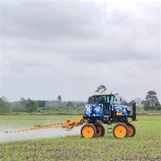
Boom Weed Sprayers are designed specifically for weed control. These sprayers often have adjustable nozzles that allow you to target weeds more precisely. You can easily adjust the angle of the nozzles to ensure that the herbicide is applied directly to the weeds without affecting the surrounding crops.
ATV Sprayers with Booms are popular for their portability. They are typically used for smaller areas or for spraying in hard - to - reach places. Adjusting the nozzle angles on these sprayers is relatively straightforward, as they are usually more compact and easier to access.
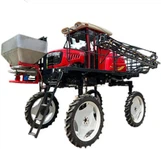
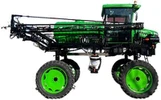
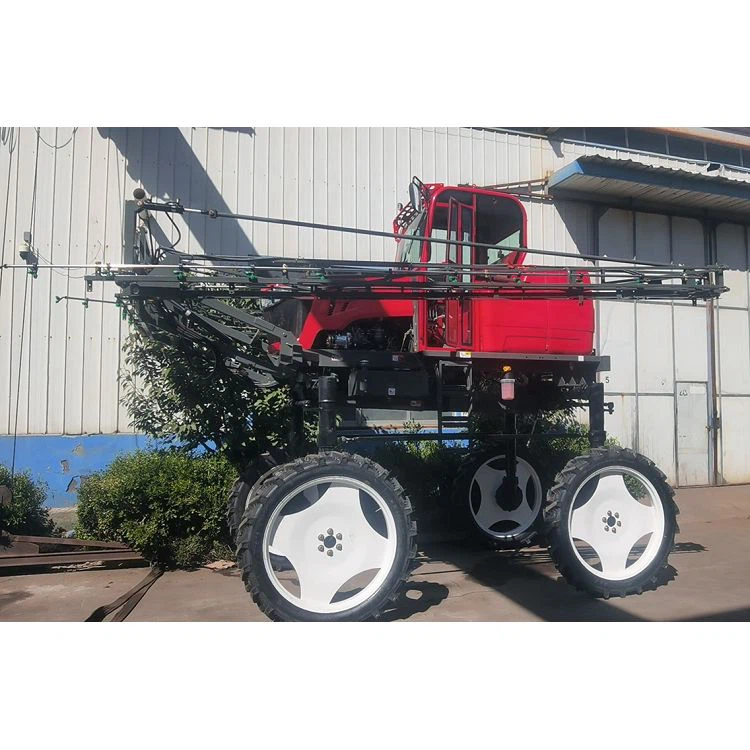
High Clearance Boom Sprayers are used for large - scale agricultural operations. These sprayers have long booms and multiple nozzles. Adjusting the nozzle angles on high - clearance boom sprayers requires more attention to detail, as you need to ensure that all the nozzles are set at the correct angle for uniform coverage.
Troubleshooting Nozzle Angle Issues
Sometimes, you might encounter problems with the nozzle angles even after following the adjustment steps. Here are some common issues and how to fix them:
- Uneven Spray Pattern: If the spray pattern is uneven, it could be due to a clogged nozzle or an incorrect angle setting. Check the nozzles for blockages and clean them if necessary. Then, double - check the angles and readjust if needed.
- Drift: Drift occurs when the spray is carried away by the wind. To reduce drift, you can adjust the nozzle angles to a more vertical position and lower the spray pressure. You can also use drift - reducing nozzles, which are designed to minimize the effects of wind.
- Poor Coverage: If the spray is not covering the area as expected, it might be because the nozzles are not set at the right angle or the spray pressure is too low. Try increasing the pressure slightly and readjusting the angles to improve the coverage.
Conclusion
Adjusting the angle of the nozzles in hydraulic boom sprayers is a critical skill for anyone involved in agricultural spraying. By understanding the different nozzle angles, using the right tools, and considering the various factors that can affect the spray pattern, you can ensure that your spraying operations are efficient and effective.
If you're in the market for a high - quality hydraulic boom sprayer or need more information on nozzle adjustment, don't hesitate to reach out. We're here to help you find the best solution for your spraying needs. Whether you're a small - scale farmer or a large - scale agricultural operation, we have the products and expertise to support you.
References
- "Agricultural Spraying Technology" - A comprehensive guide on sprayer operation and maintenance.
- "Nozzle Selection and Application" - A technical publication that provides in - depth information on nozzle types and angles.