Hey there! As a supplier of the 20m Boom Sprayer, I've got a ton of experience when it comes to getting the most out of this piece of equipment. One of the most common questions I get is how to adjust the spraying height for different plant heights. It's a crucial aspect of using a boom sprayer effectively, so let's dive right in.
Why Spraying Height Matters
First off, let's talk about why adjusting the spraying height is so important. When you're spraying crops, you want to make sure that the spray is evenly distributed across the plants. If the boom is too high, the spray can drift away, leading to uneven coverage and wasted chemicals. On the other hand, if the boom is too low, you might end up damaging the plants or not covering the entire canopy.
The ideal spraying height depends on several factors, including the type of crop, its growth stage, and the type of nozzle you're using. For example, in a field of short crops like wheat or barley, you'll need a lower spraying height compared to a field of tall corn or sunflowers.
Measuring Plant Height
Before you can adjust the spraying height, you need to know the height of your plants. The easiest way to do this is to measure a few plants in different parts of the field. Use a measuring tape or a ruler to get an accurate reading. Make sure to measure from the ground to the top of the plant's canopy.
Once you have an average plant height, you can use this information to set the appropriate spraying height for your 20m Boom Sprayer.
Adjusting the Spraying Height
Now that you know the plant height, it's time to adjust the spraying height of your boom sprayer. Most modern 20m Boom Sprayers come with a hydraulic system that allows you to easily raise or lower the boom. Here's a step-by-step guide on how to do it:
- Park the Sprayer: Make sure the sprayer is parked on a level surface before you start adjusting the boom. This will ensure that the boom is level and the spray is evenly distributed.
- Locate the Hydraulic Controls: Find the hydraulic controls for the boom on the sprayer's control panel. These controls are usually labeled with up and down arrows.
- Raise or Lower the Boom: Use the hydraulic controls to raise or lower the boom to the desired height. Start by raising the boom a little at a time and checking the height against the measured plant height.
- Check the Nozzle Height: Once you've set the boom height, check the height of the nozzles. The nozzles should be at least 12-18 inches above the top of the plant's canopy. This will help prevent the spray from hitting the plants too hard and causing damage.
- Make Fine Adjustments: If necessary, make fine adjustments to the boom height using the hydraulic controls. You want to make sure that the boom is level and the nozzles are at the correct height across the entire width of the boom.
Considerations for Different Plant Heights
Different plants have different requirements when it comes to spraying height. Here are some general guidelines for adjusting the spraying height for common crops:
Short Crops (less than 2 feet)
For short crops like wheat, barley, and lettuce, the spraying height should be around 12-18 inches above the top of the plant's canopy. This will ensure that the spray is evenly distributed and doesn't drift away.
Medium Crops (2-4 feet)
For medium crops like soybeans, peas, and tomatoes, the spraying height should be around 18-24 inches above the top of the plant's canopy. This will allow the spray to reach the entire canopy without causing damage.
Tall Crops (more than 4 feet)
For tall crops like corn, sunflowers, and cotton, the spraying height should be around 24-36 inches above the top of the plant's canopy. This will ensure that the spray reaches the upper parts of the plants and provides good coverage.
Using Technology to Adjust Spraying Height
In addition to manual adjustment, many modern 20m Boom Sprayers come with advanced technology that can automatically adjust the spraying height based on the plant height. These systems use sensors to detect the height of the plants and adjust the boom height accordingly.
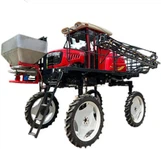
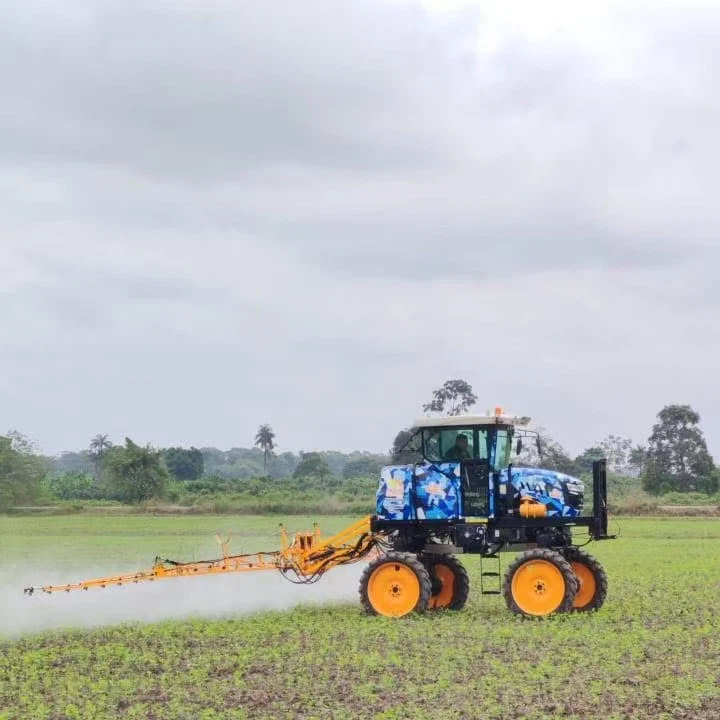
One such system is the Four-wheel Sprayer, which is equipped with a state-of-the-art height control system. This system uses ultrasonic sensors to measure the distance between the boom and the plants and automatically adjusts the boom height to maintain a consistent spraying height.
Another option is the 20m Boom Sprayer, which also offers advanced height control features. This sprayer uses a combination of sensors and GPS technology to ensure accurate and precise spraying height adjustment.
Tips for Effective Spraying
Here are some additional tips to help you get the most out of your 20m Boom Sprayer:

- Use the Right Nozzles: Different nozzles are designed for different spraying applications. Make sure you're using the right nozzles for your crop and the type of chemical you're spraying.
- Check the Weather Conditions: Wind, temperature, and humidity can all affect the performance of your boom sprayer. Avoid spraying on windy days or when the temperature is too high or too low.
- Calibrate Your Sprayer Regularly: To ensure accurate spraying, it's important to calibrate your sprayer regularly. This will help you determine the correct amount of chemical to use and the appropriate spraying speed.
- Maintain Your Sprayer: Regular maintenance is essential to keep your boom sprayer in good working condition. Make sure to clean the nozzles, filters, and tanks after each use and check for any signs of wear or damage.
Conclusion
Adjusting the spraying height for different plant heights is an important part of using a 20m Boom Sprayer effectively. By following the tips and guidelines outlined in this blog post, you can ensure that your crops receive the right amount of spray and that the chemicals are evenly distributed.
If you're in the market for a high-quality 20m Boom Sprayer or other agricultural spraying equipment, be sure to check out our 20m Boom Sprayer and Agricultural High Pole Sprayer. We offer a wide range of products to meet your specific needs and budget.
If you have any questions or would like to discuss your spraying requirements, please don't hesitate to contact us. We're here to help you get the most out of your agricultural equipment and achieve the best results for your crops.
References
- "Sprayer Calibration and Application" - Extension Publications, Iowa State University
- "Boom Sprayer Operation and Maintenance" - University of Missouri Extension
- "Crop Spraying Guidelines" - Agricultural Research Service, USDA