Ensuring the compatibility of telescopic handler parts is a critical aspect for both manufacturers and end - users. As a telescopic handler parts supplier, I understand the significance of this issue in the industry. In this blog, I will share some key strategies and considerations to guarantee the compatibility of these parts.
Understanding the Basics of Telescopic Handler Parts Compatibility
Before delving into the methods of ensuring compatibility, it is essential to understand what compatibility means in the context of telescopic handler parts. Compatibility refers to the ability of different parts to work together seamlessly, without causing any mechanical issues, reducing performance, or posing safety risks.
Telescopic handlers are complex machines with various components such as booms, forks, hydraulic systems, engines, and control systems. Each part has its specific design, dimensions, and operating requirements. For example, the boom of a telescopic handler needs to be precisely matched with the hydraulic cylinders that extend and retract it. If the hydraulic cylinders are not compatible with the boom, it may lead to uneven movement, excessive wear, or even failure of the boom mechanism.
Research and Development
One of the primary ways to ensure compatibility is through in - depth research and development (R&D). At our company, we invest heavily in R&D to understand the latest trends in telescopic handler design and the specific requirements of different models. We collaborate with manufacturers to study their machines' blueprints and performance specifications.
This research helps us to design and produce parts that are tailored to the exact needs of the telescopic handlers. For instance, when developing a new set of forks, we consider factors such as the load - bearing capacity of the handler, the fork width and length requirements, and the connection mechanism with the boom. By doing so, we can ensure that our forks are fully compatible with the corresponding telescopic handlers.
Standardization
Standardization plays a crucial role in ensuring the compatibility of telescopic handler parts. We adhere to international and industry - specific standards when manufacturing our parts. These standards define the dimensions, materials, and performance requirements for various components.
For example, the ISO (International Organization for Standardization) has set standards for hydraulic hoses used in construction equipment, including telescopic handlers. By using hoses that meet these standards, we can ensure that they are compatible with the hydraulic systems of different telescopic handlers. Standardization also simplifies the replacement process for end - users, as they can easily find compatible parts in the market.
Quality Control
Quality control is another vital aspect of ensuring compatibility. We have a rigorous quality control system in place throughout the manufacturing process. Our quality control team conducts multiple inspections at different stages, from raw material inspection to the final product testing.
We use advanced testing equipment to check the dimensions, strength, and performance of our parts. For example, we test the hydraulic cylinders for pressure resistance, leakage, and smooth operation. Only parts that pass all the quality control tests are approved for shipment. This strict quality control ensures that our parts are not only of high quality but also compatible with the telescopic handlers.
Compatibility Testing
In addition to in - house quality control, we also conduct compatibility testing. We work with manufacturers to test our parts on actual telescopic handlers. This real - world testing allows us to identify any potential compatibility issues before the parts are released to the market.


For example, when we develop a new type of control system for a telescopic handler, we install it on a test machine and run a series of operations. We monitor the interaction between the new control system and other components such as the engine, hydraulic system, and boom. If any compatibility issues are detected, we make the necessary adjustments to the design or settings of the control system.
Technical Support
Providing comprehensive technical support is essential for ensuring compatibility. Our technical support team is always ready to assist customers with any compatibility - related questions. We offer pre - sales advice to help customers choose the right parts for their telescopic handlers.
For example, if a customer is unsure which type of boom extension is compatible with their existing telescopic handler, our technical support team can analyze the customer's machine specifications and recommend the most suitable part. After - sales, we also provide support for installation, maintenance, and troubleshooting. This technical support helps customers to ensure that the parts they purchase are installed and used correctly, thereby maintaining compatibility.
Keeping Up with Technological Advancements
The field of telescopic handlers is constantly evolving, with new technologies and designs emerging regularly. As a parts supplier, we need to keep up with these advancements to ensure the compatibility of our parts.
For example, the trend towards more intelligent and automated telescopic handlers requires us to develop parts that can integrate with these advanced systems. We invest in research on new materials, sensors, and control technologies to make our parts more compatible with the latest telescopic handlers.
Case Studies
Let's take a look at some real - world examples of how our strategies for ensuring compatibility have worked. One of our customers had an older model of a telescopic handler that needed a replacement for its hydraulic pump. Our R&D team studied the specifications of the old pump and the handler's hydraulic system. They designed a new hydraulic pump that not only met the performance requirements but also was fully compatible with the existing system. After installation, the customer reported that the telescopic handler's hydraulic performance had improved significantly, and there were no compatibility issues.
Another example is when we developed a set of forks for a Compact Telehandler. By following the standardization guidelines and conducting thorough compatibility testing, we ensured that the forks were a perfect fit for the compact telehandler. The customer was able to use the new forks immediately without any adjustments, which saved them time and money.
Conclusion
Ensuring the compatibility of telescopic handler parts is a multi - faceted process that requires research, standardization, quality control, testing, and technical support. As a telescopic handler parts supplier, we are committed to providing high - quality, compatible parts to our customers.
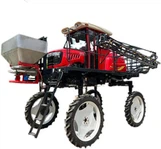
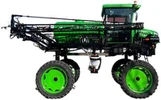
If you are in the market for telescopic handler parts, whether it's a High Ground Clearance Boom Sprayer or a Remote Control All Terrain Lawn Mower, we can offer you the right solutions. We invite you to contact us for more information and to discuss your specific requirements. Our team of experts is eager to assist you in finding the most compatible parts for your telescopic handlers.
References
- ISO standards for construction equipment
- Industry research reports on telescopic handlers
- Manufacturer's technical specifications of telescopic handlers