Hey there! As a supplier of Manual Boom Sprayers, I've seen firsthand the challenges that come with using these machines in cold weather. It's not just about bundling up yourself; the equipment needs some extra TLC too. In this blog, I'll share some tips on how to handle a manual boom sprayer in cold conditions.
Pre - Cold Weather Preparation
Before the cold weather hits, it's crucial to do a thorough check of your manual boom sprayer. First off, inspect the hoses. Cold temperatures can make rubber hoses brittle, which increases the risk of cracks and leaks. Look for any signs of wear and tear, such as small cuts or bulges. If you find any issues, replace the hoses right away. You don't want to be out in the cold, dealing with a leaky hose.
The nozzles are another important part. Make sure they're clean and in good working condition. Cold weather can cause any debris in the nozzles to freeze, blocking the spray pattern. Remove the nozzles and soak them in a cleaning solution to get rid of any dirt or residue. You can also use a small brush to gently scrub the inside of the nozzles.
Check the pump as well. The seals in the pump can harden in cold weather, leading to loss of pressure. Lubricate the seals according to the manufacturer's instructions. This will help keep them flexible and prevent leaks.
Fluid Management
One of the biggest concerns in cold weather is the freezing of the spraying fluid. You need to use a fluid that has a low freezing point. Antifreeze additives can be a great solution. These additives lower the freezing point of the fluid, ensuring that it stays in a liquid state even in cold temperatures.
Mix the additives carefully according to the recommended ratio. Too much or too little can affect the performance of the sprayer and the effectiveness of the treatment. Also, make sure to store the fluid in a warm place before use. If the fluid is stored in a cold shed, it might start to freeze before you even get it into the sprayer.
When filling the tank, don't overfill it. Cold temperatures can cause the fluid to expand slightly, and an overfilled tank can lead to spills and leaks. Leave some room at the top of the tank for expansion.
Operating the Sprayer in Cold Weather
When you're ready to start spraying, take your time to warm up the sprayer. Just like a car engine, the sprayer needs a bit of time to get into optimal working condition. Turn on the pump and let it run for a few minutes without spraying. This will help circulate the fluid and warm up the components.
Keep an eye on the pressure gauge. Cold weather can affect the pressure, and you might need to adjust it accordingly. If the pressure is too low, the spray pattern won't be even, and the treatment might not be effective. If it's too high, it can put extra strain on the hoses and nozzles.
When spraying, move at a steady pace. Cold weather can slow down the evaporation of the spray, so you don't want to over - apply the fluid. Also, try to spray during the warmest part of the day. The temperature is usually a bit higher in the middle of the day, which can help the spray work better and reduce the risk of freezing.
Storage
After you're done spraying, it's important to store the manual boom sprayer properly. First, drain all the fluid from the tank, hoses, and nozzles. Any remaining fluid can freeze and damage the components. Use compressed air to blow out any residual fluid from the hoses and nozzles.
Store the sprayer in a warm, dry place. A heated shed or garage is ideal. If you don't have a heated storage area, you can cover the sprayer with a tarp to protect it from the elements. Make sure to remove any snow or ice that accumulates on the sprayer.
Different Types of Boom Sprayers
If you're looking for other options besides manual boom sprayers, we also offer some great alternatives. Check out our Front Boom Self - propelled Sprayers, which are perfect for large - scale operations. They offer better mobility and efficiency.
Our Hydraulic Boom Sprayers are another excellent choice. They provide precise control over the spray pattern and are suitable for a variety of applications.

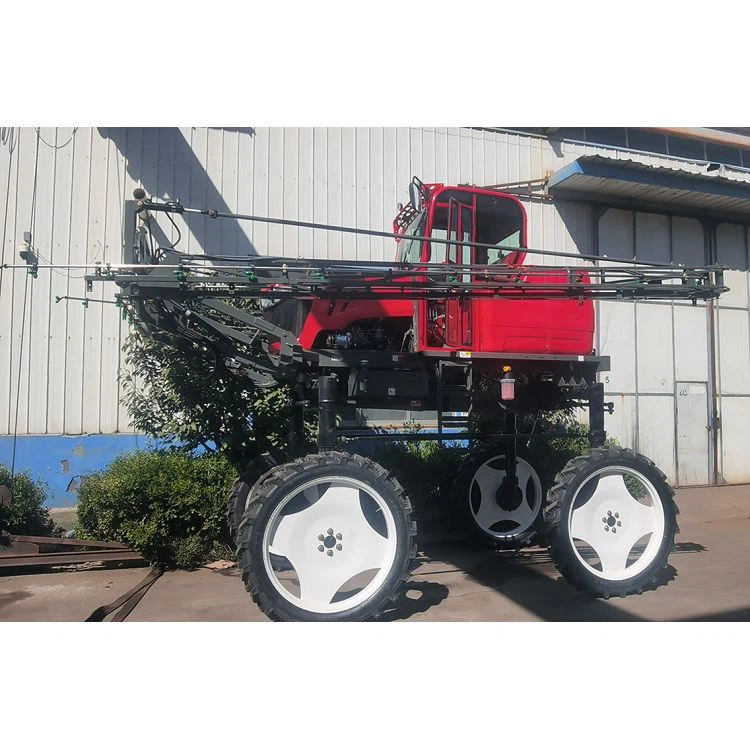
For areas with tall crops, our High Clearance Boom Sprayers are the way to go. They can easily navigate through fields without damaging the crops.
Contact Us for Purchase and Consultation
If you're interested in our manual boom sprayers or any of the other types we offer, don't hesitate to reach out. Whether you have questions about cold - weather handling or want to discuss a purchase, we're here to help. Our team of experts can provide you with all the information you need to make the right choice for your agricultural needs.
References
- Agricultural Equipment Maintenance Handbook
- Manufacturer's Manuals for Manual Boom Sprayers