Hey there! As a supplier of hydraulic boom sprayers, I've seen firsthand how crucial it is to have top - notch spraying quality. Whether you're a small - scale farmer or managing a large agricultural operation, getting the most out of your hydraulic boom sprayer can save you time, money, and ensure better crop health. So, let's dive into some practical tips on how to improve the spraying quality of hydraulic boom sprayers.
1. Select the Right Nozzles
The type of nozzles you use on your hydraulic boom sprayer can make a world of difference. Different nozzles are designed for specific applications, such as herbicide spraying, insecticide application, or fertilizer distribution. For instance, if you're spraying herbicides, you'll want a nozzle that provides a uniform spray pattern to cover the weeds effectively.
There are several factors to consider when choosing nozzles. First, think about the droplet size. Smaller droplets are great for reaching dense foliage, but they can also be more prone to drift. On the other hand, larger droplets are less likely to drift but may not cover as much area in a fine mist. You can check out Manual Boom Sprayers to see some options that come with different nozzle types.
Another thing is the spray angle. Nozzles come with various spray angles, like 65 degrees, 80 degrees, or 110 degrees. A wider spray angle can cover more ground in one pass, but it might not be as precise. You need to balance the coverage area with the accuracy required for your specific spraying task.
2. Maintain the Right Pressure
Pressure plays a vital role in the spraying quality of hydraulic boom sprayers. If the pressure is too low, the droplets may be too large, and the spray pattern won't be uniform. This can lead to uneven coverage, leaving some areas of your crops under - treated and others over - treated.
Conversely, if the pressure is too high, you'll end up with a lot of fine droplets that are more likely to drift away. This not only wastes your spraying material but can also cause environmental problems if the chemicals land in non - target areas.
Most hydraulic boom sprayers come with a pressure gauge. You should regularly check this gauge to ensure that the pressure is within the recommended range for the nozzles you're using. Adjust the pressure according to the manufacturer's instructions for different spraying materials and conditions. For example, when using a 700l Boom Sprayers, make sure to follow the pressure guidelines specific to its capacity and the nozzles attached.
3. Calibrate Your Sprayer Regularly
Calibration is like tuning a musical instrument. It ensures that your hydraulic boom sprayer is delivering the right amount of spraying material per unit area. Over time, factors like nozzle wear, pump efficiency, and changes in the spraying material can affect the calibration of your sprayer.
To calibrate your sprayer, you'll need to measure the output of your nozzles. You can do this by running the sprayer for a set period and collecting the liquid from each nozzle. Then, calculate the amount of liquid being sprayed per acre or hectare. Compare this with the recommended application rate for the chemical you're using.
If the output is too high or too low, you can make adjustments. This might involve changing the nozzle size, adjusting the pressure, or changing the speed at which you're driving the sprayer. Regular calibration ensures that you're using your spraying materials efficiently and getting the best results for your crops.
4. Consider the Weather Conditions
Weather can have a significant impact on the spraying quality of hydraulic boom sprayers. Wind is one of the biggest culprits. Even a gentle breeze can cause the spray droplets to drift away from the target area. You should avoid spraying on windy days. As a general rule, try to spray when the wind speed is between 2 - 10 miles per hour.


Temperature and humidity also matter. High temperatures can cause the spray droplets to evaporate quickly, reducing their effectiveness. On the other hand, very high humidity can cause the droplets to coalesce, leading to uneven coverage. The ideal temperature for spraying is usually between 60 - 80 degrees Fahrenheit, and the relative humidity should be between 40 - 70%.
Rain is another factor. If it's going to rain soon after spraying, the chemicals may be washed off before they can be absorbed by the plants. Check the weather forecast before you start spraying and plan accordingly.
5. Adjust the Boom Height
The height of the boom above the crops is crucial for achieving uniform coverage. If the boom is too high, the spray pattern will spread out, and the droplets may not reach the plants effectively. This can lead to poor coverage and wasted spraying material.
On the other hand, if the boom is too low, it may damage the crops, and the spray pattern may not be wide enough to cover the entire area. The general rule of thumb is to keep the boom about 18 - 24 inches above the top of the crops. However, this can vary depending on the type of nozzles you're using and the height of the crops.
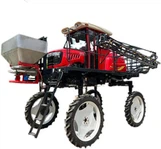
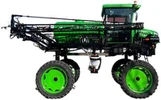
For example, if you're using Front Boom Self - propelled Sprayers, you can easily adjust the boom height according to the crop conditions. Make sure to check the boom height regularly during spraying, especially if the crop height changes as the season progresses.
6. Keep Your Sprayer Clean
A clean sprayer is a happy sprayer. Over time, residues from the spraying materials can build up in the tank, hoses, and nozzles. This can clog the nozzles, affect the flow rate, and even cause chemical reactions that can damage the sprayer components.
After each use, make sure to flush the tank, hoses, and nozzles with clean water. You can also use a cleaning solution specifically designed for sprayers to remove stubborn residues. Pay special attention to the nozzles, as they are the most critical part of the sprayer. You can use a nozzle brush to clean the small holes and ensure that the spray pattern remains uniform.
Regular maintenance and cleaning of your hydraulic boom sprayer not only improve the spraying quality but also extend the lifespan of the equipment.
7. Train Your Operators
Even the best - designed hydraulic boom sprayer won't perform well if the operator doesn't know how to use it properly. Make sure that anyone operating the sprayer is trained on its features, functions, and safety procedures.
Training should cover topics like how to start and stop the sprayer, how to adjust the pressure and boom height, and how to handle the spraying materials safely. Operators should also be aware of the importance of calibration, nozzle selection, and weather conditions.
A well - trained operator can make a big difference in the spraying quality and overall efficiency of your agricultural operation.
In conclusion, improving the spraying quality of hydraulic boom sprayers involves a combination of proper nozzle selection, pressure control, calibration, considering weather conditions, adjusting boom height, keeping the sprayer clean, and training your operators. By following these tips, you can ensure that your crops get the best treatment possible and that you're using your spraying materials in the most efficient way.
If you're interested in learning more about our hydraulic boom sprayers or have any questions about improving spraying quality, feel free to reach out. We're here to help you make the most of your agricultural investment. Let's have a chat and see how we can work together to enhance your spraying operations.
References
- Agricultural Spraying Handbook, various editions
- Manufacturer's manuals for hydraulic boom sprayers
- Research papers on agricultural spraying technology from leading agricultural universities