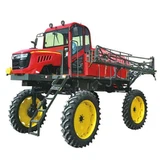
As a reputable supplier of four-wheel sprayers, I understand the importance of maintaining these essential agricultural machines. One of the most critical aspects of maintenance is lubricating the moving parts. Proper lubrication not only extends the lifespan of the sprayer but also ensures its optimal performance. In this blog, I'll share some in-depth insights on how to lubricate the moving parts of a four-wheel sprayer.
Understanding the Importance of Lubrication
Before delving into the lubrication process, it's crucial to understand why lubrication is so vital for four-wheel sprayers. Moving parts in a sprayer, such as bearings, joints, and gears, are subject to friction and wear during operation. Friction can generate heat, which may cause premature wear and tear of the components. Additionally, friction can lead to increased energy consumption, reducing the overall efficiency of the sprayer.
Lubrication helps to reduce friction between moving parts, minimizing wear and tear and preventing overheating. It also forms a protective barrier that prevents corrosion and rust, which can damage the parts over time. By lubricating the moving parts regularly, you can ensure that your four-wheel sprayer operates smoothly and reliably, reducing the risk of breakdowns and costly repairs.
Types of Lubricants
There are several types of lubricants available for four-wheel sprayers, each with its own unique properties and applications. The most common types of lubricants include:
- Mineral Oil-Based Lubricants: These are the most widely used lubricants due to their affordability and good lubricating properties. Mineral oil-based lubricants are suitable for general-purpose applications and can provide adequate protection against friction and wear.
- Synthetic Lubricants: Synthetic lubricants offer superior performance compared to mineral oil-based lubricants. They have better thermal stability, oxidation resistance, and anti-wear properties, making them ideal for high-stress applications. Synthetic lubricants can also operate at a wider temperature range, making them suitable for use in extreme conditions.
- Greases: Greases are semi-solid lubricants that are thickened with a soap or other thickening agent. They are ideal for applications where the lubricant needs to stay in place, such as in bearings and joints. Greases provide excellent lubrication and protection against water and contaminants.
When choosing a lubricant for your four-wheel sprayer, it's important to consider the specific requirements of the moving parts. Refer to the manufacturer's recommendations in the user manual to ensure that you select the appropriate lubricant for each application.
Lubrication Points
A four-wheel sprayer has several moving parts that require lubrication. Here are some of the key lubrication points and the recommended lubrication procedures:
Bearings
Bearings are used to support the rotating shafts in the sprayer. They are critical components that require proper lubrication to ensure smooth operation. To lubricate the bearings:
- Clean the Bearings: Before applying lubricant, clean the bearings thoroughly to remove any dirt, debris, or old lubricant. Use a clean cloth or a mild solvent to clean the bearings.
- Apply Lubricant: Apply the recommended lubricant to the bearings. For ball bearings, you can use a grease gun to inject grease into the bearing housing. For roller bearings, you can apply a thin layer of lubricant to the bearing surfaces.
- Reassemble the Bearings: After applying the lubricant, reassemble the bearings and ensure that they are properly seated.
Joints
Joints are used to connect different parts of the sprayer, such as the boom sections and the chassis. They require lubrication to prevent wear and ensure smooth movement. To lubricate the joints:
- Inspect the Joints: Check the joints for any signs of wear or damage. If necessary, replace the worn or damaged parts before lubricating the joints.
- Apply Lubricant: Apply a suitable lubricant, such as grease or oil, to the joint surfaces. Use a brush or a spray can to apply the lubricant evenly.
- Move the Joints: After applying the lubricant, move the joints back and forth several times to distribute the lubricant evenly.
Gears
Gears are used to transmit power from the engine to the wheels and other moving parts of the sprayer. They require proper lubrication to ensure smooth operation and prevent premature wear. To lubricate the gears:
- Drain the Old Lubricant: If the gears have a lubricant reservoir, drain the old lubricant completely. Use a drain plug or a pump to remove the old lubricant.
- Clean the Gearbox: Clean the gearbox thoroughly to remove any dirt, debris, or old lubricant. Use a clean cloth or a mild solvent to clean the gearbox.
- Fill the Gearbox with Lubricant: Fill the gearbox with the recommended lubricant to the appropriate level. Refer to the manufacturer's recommendations in the user manual for the correct lubricant type and fill level.
Chains and Sprockets
Chains and sprockets are used to transmit power from the engine to the wheels and other moving parts of the sprayer. They require regular lubrication to prevent wear and ensure smooth operation. To lubricate the chains and sprockets:


- Clean the Chains and Sprockets: Before applying lubricant, clean the chains and sprockets thoroughly to remove any dirt, debris, or old lubricant. Use a clean cloth or a mild solvent to clean the chains and sprockets.
- Apply Lubricant: Apply a suitable lubricant, such as chain oil or grease, to the chains and sprockets. Use a brush or a spray can to apply the lubricant evenly.
- Run the Chains and Sprockets: After applying the lubricant, run the chains and sprockets for a few minutes to distribute the lubricant evenly.
Lubrication Schedule
To ensure that your four-wheel sprayer operates smoothly and reliably, it's important to follow a regular lubrication schedule. The lubrication schedule may vary depending on the make and model of the sprayer, as well as the operating conditions. Refer to the manufacturer's recommendations in the user manual for the specific lubrication schedule.
In general, it's recommended to lubricate the moving parts of the sprayer after every [X] hours of operation or at least once a season. However, if the sprayer is used in harsh conditions, such as dusty or wet environments, more frequent lubrication may be required.
Safety Precautions
When lubricating the moving parts of a four-wheel sprayer, it's important to take the following safety precautions:
- Turn Off the Sprayer: Before lubricating the moving parts, turn off the sprayer and allow it to cool down completely. This will prevent the risk of injury from hot components or moving parts.
- Wear Protective Gear: Wear appropriate protective gear, such as gloves and safety glasses, to protect yourself from the lubricant and any potential hazards.
- Follow the Manufacturer's Instructions: Always follow the manufacturer's instructions in the user manual when lubricating the moving parts. This will ensure that you use the correct lubricant and apply it correctly.
Conclusion
Proper lubrication is essential for maintaining the performance and longevity of a four-wheel sprayer. By understanding the importance of lubrication, choosing the right lubricant, and following a regular lubrication schedule, you can ensure that your sprayer operates smoothly and reliably.
If you're in the market for a high-quality four-wheel sprayer, we offer a wide range of options to meet your needs. Check out our Small Boom Sprayer, Agricultural Self-propelled Boom Sprayer, and 12m Boom Sprayer.
We're committed to providing our customers with the best products and services. If you have any questions or would like to discuss your specific requirements, please don't hesitate to contact us for procurement and further discussions.
References
- Manufacturer's User Manual for Four-Wheel Sprayers
- Automotive and Agricultural Machinery Lubrication Guidelines