Maintaining the wheels of a four-wheel sprayer is crucial for ensuring its optimal performance, longevity, and safety. As a reputable four-wheel sprayer supplier, we understand the significance of proper wheel maintenance and are here to share valuable insights and tips to help you keep your equipment in top condition.
Understanding the Importance of Wheel Maintenance
The wheels of a four-wheel sprayer are subjected to various stresses and strains during operation. They bear the weight of the sprayer, the liquid in the tank, and any additional equipment. Proper maintenance of the wheels is essential for several reasons:
-
Safety: Well-maintained wheels ensure stable and safe operation of the sprayer. Worn-out or damaged wheels can lead to uneven movement, loss of control, and potential accidents.
-
Performance: The wheels play a vital role in the sprayer's mobility and maneuverability. Properly inflated and aligned wheels allow for smooth and efficient movement, ensuring accurate spraying and reducing the risk of skidding or getting stuck.


-
Longevity: Regular maintenance helps extend the lifespan of the wheels, reducing the need for frequent replacements and saving you money in the long run.
Regular Inspections
Regular inspections are the first step in maintaining the wheels of a four-wheel sprayer. Here are some key areas to check:
-
Tire Condition: Inspect the tires for signs of wear, such as uneven tread wear, cuts, punctures, or bulges. Replace any tires that show significant damage or excessive wear. Check the tire pressure regularly using a reliable tire pressure gauge and maintain it at the recommended level specified in the sprayer's manual.
-
Wheel Alignment: Misaligned wheels can cause uneven tire wear, reduced fuel efficiency, and poor handling. Check the wheel alignment periodically and have it adjusted if necessary. Look for signs of misalignment, such as the sprayer pulling to one side or the steering wheel being off-center.
-
Lug Nuts: Ensure that all lug nuts are properly tightened. Loose lug nuts can cause the wheel to become unstable and potentially come off while the sprayer is in motion. Use a torque wrench to tighten the lug nuts to the recommended torque specification.
-
Suspension Components: Inspect the suspension components, such as shocks, struts, and springs, for signs of damage or wear. Worn-out suspension components can affect the ride quality and handling of the sprayer. Replace any damaged or worn suspension parts as soon as possible.
Cleaning and Lubrication
Keeping the wheels clean and properly lubricated is essential for their smooth operation and longevity. Here's how you can do it:
-
Cleaning: Regularly clean the wheels to remove dirt, debris, and chemicals that can accumulate on the tires and wheels. Use a mild soap and water solution and a soft brush to clean the wheels thoroughly. Avoid using abrasive cleaners or brushes that can damage the tire or wheel surface.
-
Lubrication: Lubricate the wheel bearings and other moving parts according to the manufacturer's recommendations. Use a high-quality lubricant that is suitable for the specific application. Proper lubrication helps reduce friction, prevent wear, and ensure smooth rotation of the wheels.
Proper Storage
Proper storage of the four-wheel sprayer when it is not in use is also important for maintaining the wheels. Here are some tips:
-
Store in a Dry Place: Store the sprayer in a dry, covered area to protect the wheels from moisture, which can cause rust and corrosion. If possible, store the sprayer indoors or under a shelter.
-
Elevate the Wheels: If the sprayer will be stored for an extended period, consider elevating the wheels off the ground to relieve the pressure on the tires. You can use jack stands or blocks to support the sprayer.
-
Protect the Tires: Cover the tires with tire covers to protect them from UV rays and other environmental factors that can cause the rubber to deteriorate.
Usage Considerations
In addition to regular inspections and maintenance, there are some usage considerations that can help keep the wheels of a four-wheel sprayer in good condition:
-
Avoid Overloading: Do not exceed the recommended weight capacity of the sprayer. Overloading can put excessive stress on the wheels and tires, leading to premature wear and damage.
-
Drive Carefully: Operate the sprayer at a reasonable speed and avoid sudden stops, starts, or turns. Rough driving can cause unnecessary wear on the wheels and tires.
-
Choose the Right Terrain: When operating the sprayer, choose the appropriate terrain. Avoid driving on rough, uneven, or rocky surfaces that can damage the wheels and tires. If you need to operate on challenging terrain, take extra precautions and drive slowly.
Recommended Products for Our Four-Wheel Sprayers
As a four-wheel sprayer supplier, we offer a range of high-quality products to meet your spraying needs. Some of our recommended products include:
- Agricultural High Pole Sprayer: This sprayer is designed for efficient and precise spraying in agricultural applications. It features a high pole for reaching tall crops and a powerful spraying system.
- 12m Boom Sprayer: With a 12-meter boom, this sprayer provides wide coverage and is suitable for large-scale spraying operations. It offers excellent spraying performance and reliability.
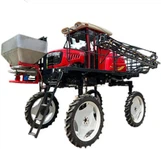
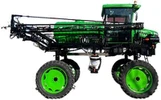
- High Ground Clearance Boom Sprayer: This sprayer is ideal for spraying in fields with tall crops or uneven terrain. It has a high ground clearance to avoid damage to the crops and a stable chassis for smooth operation.
Contact Us for More Information
If you have any questions about maintaining the wheels of a four-wheel sprayer or are interested in purchasing one of our high-quality sprayers, please feel free to contact us. Our team of experts is here to assist you and provide you with the best solutions for your spraying needs. We look forward to working with you to ensure the success of your agricultural operations.
References
- Sprayer Manufacturer's Manuals
- Agricultural Equipment Maintenance Guides