Hey there! As a supplier of 700l Boom Sprayers, I've had my fair share of questions about how to measure the spraying coverage of these bad boys. It's a crucial aspect, especially for farmers and agricultural folks who rely on accurate spraying to get the job done right. So, let's dive into it!
First off, why is measuring spraying coverage so important? Well, if you're not covering the right amount of area, you could be wasting chemicals, which is not only costly but also bad for the environment. On the flip side, if you're not covering enough, your crops might not get the protection they need. So, getting it just right is key.
Understanding the Basics of 700l Boom Sprayers
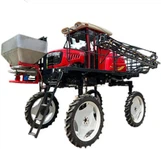
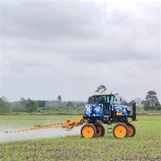
Before we jump into measuring the coverage, let's quickly go over what a 700l Boom Sprayer is. These sprayers are designed to hold 700 liters of liquid, which could be pesticides, fertilizers, or herbicides. They come with a boom, which is a long arm that extends out from the sprayer and has nozzles attached to it. The boom can be adjusted in height and width to cover different areas.
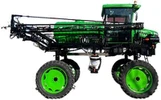
If you're interested in different types of boom sprayers, we also offer High Clearance Boom Sprayers and ATV Sprayers with Booms. But for now, let's focus on our 700l Boom Sprayers. You can check out our 700l Boom Sprayers for more details.
Factors Affecting Spraying Coverage
There are several factors that can affect the spraying coverage of a 700l Boom Sprayer. Let's take a look at some of the most important ones:
Nozzle Type and Spacing
The type of nozzles you use and how they're spaced on the boom can have a big impact on coverage. Different nozzles produce different spray patterns, such as flat fan, cone, or solid stream. Flat fan nozzles are commonly used for boom sprayers because they provide a wide, even coverage.
The spacing between the nozzles also matters. If the nozzles are too far apart, there might be gaps in the coverage. On the other hand, if they're too close, you might end up with overlapping spray patterns, which can lead to over - application of chemicals.
Boom Height
The height of the boom above the ground is another crucial factor. If the boom is too low, the spray might not spread out enough, resulting in a narrow coverage area. If it's too high, the spray can be affected by wind, and the droplets might not reach the target area effectively.
A good rule of thumb is to keep the boom at a height that allows the spray patterns from adjacent nozzles to overlap slightly. This ensures an even coverage across the field.
Travel Speed
How fast you drive or move the sprayer also affects the spraying coverage. If you're going too fast, the spray might not have enough time to cover the area properly. On the other hand, if you're going too slow, you might over - apply the chemicals.
You need to find the right balance based on the spraying rate and the desired coverage. Usually, the manufacturer will provide some guidelines on the recommended travel speed for optimal coverage.


Wind Conditions
Wind can be a real pain when it comes to spraying. A strong wind can blow the spray off - target, causing uneven coverage and potentially harming non - target areas. It's best to spray on calm days or when the wind speed is within an acceptable range.
If you have to spray in windy conditions, you might need to adjust the boom height, travel speed, or even the nozzle type to compensate for the wind.
Methods for Measuring Spraying Coverage
Now that we know what factors can affect the coverage, let's talk about how to measure it. There are a few different methods you can use:
Water Sensitive Paper
Water sensitive paper is a simple and effective way to measure the spraying coverage. You can place the paper on the ground at regular intervals across the field where you're going to spray. After you've completed the spraying, collect the paper and check for the presence of spray droplets.
The paper changes color when it comes into contact with the spray, and you can use a grid or a software program to calculate the percentage of the paper that has been covered by the spray. This will give you an idea of the actual coverage in different areas of the field.
Tracer Dye Method
Another method is to use a tracer dye in the spray solution. The dye is visible under certain lighting conditions, such as ultraviolet light. You can spray the solution with the tracer dye on a test area and then use a UV light to examine the coverage.
You can take photos or make visual observations to determine if the coverage is even and if there are any areas that have been missed. This method is especially useful for detecting areas of low or uneven coverage.
GPS Mapping
If you have access to a GPS - enabled sprayer or a GPS mapping system, you can use it to track the path of the sprayer and the areas that have been covered. The GPS system can record the coordinates of the sprayer at different points in time, and you can use software to create a map of the spraying coverage.
This method provides a more accurate and detailed view of the coverage, and it can also help you identify any areas that need to be re - sprayed.
Calculating the Spraying Rate
Once you've measured the coverage, you might also want to calculate the spraying rate. The spraying rate is the amount of liquid that is applied per unit area. To calculate the spraying rate, you need to know the volume of liquid sprayed and the area that has been covered.
The formula for calculating the spraying rate is:
Spraying Rate (L/ha) = (Volume of Liquid Sprayed (L) / Area Covered (ha))
For example, if you sprayed 700 liters of liquid over an area of 5 hectares, the spraying rate would be:
Spraying Rate = 700 L / 5 ha = 140 L/ha
This information can be useful for comparing different spraying methods or for ensuring that you're applying the correct amount of chemicals according to the product label.
Tips for Improving Spraying Coverage
Here are some tips to help you improve the spraying coverage of your 700l Boom Sprayer:
- Calibrate Your Sprayer Regularly: Make sure your sprayer is properly calibrated to ensure that the nozzles are delivering the correct amount of liquid. This can help prevent over - or under - application of chemicals.
- Check Your Nozzles: Inspect the nozzles regularly for any signs of wear or clogging. Replace any damaged or worn - out nozzles to maintain an even spray pattern.
- Plan Your Spraying Route: Before you start spraying, plan your route to ensure that you cover the entire field without any gaps or overlaps. You can use a GPS mapping system or a simple field map to help you with this.
- Monitor the Weather: As mentioned earlier, wind and other weather conditions can affect the spraying coverage. Keep an eye on the weather forecast and choose the best time to spray.
Conclusion
Measuring the spraying coverage of a 700l Boom Sprayer is an important part of ensuring effective and efficient spraying. By understanding the factors that affect coverage, using the right measurement methods, and following some best practices, you can ensure that your crops get the protection they need while minimizing the waste of chemicals.
If you're in the market for a 700l Boom Sprayer or have any questions about measuring spraying coverage, feel free to reach out. We're here to help you make the best decision for your agricultural needs.
References
- Smith, J. (2020). Agricultural Spraying Technology. Publisher Name.
- Jones, A. (2019). Best Practices for Boom Sprayer Operation. Journal of Agricultural Science.