Hey there! As a supplier of Boom Weed Sprayers, I've seen firsthand how crucial it is to optimize the spraying path for these machines. It's not just about getting the job done; it's about doing it efficiently, effectively, and in an environmentally friendly way. In this blog post, I'm gonna share some tips and tricks on how to optimize the spraying path of a Boom Weed Sprayer.
Understanding Your Boom Weed Sprayer
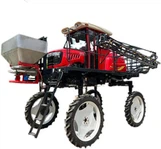
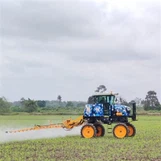
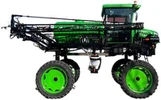
Before we dive into optimizing the spraying path, it's important to understand how your Boom Weed Sprayer works. These machines are designed to evenly distribute herbicides, pesticides, or fertilizers over a large area. They typically consist of a tank, a pump, a boom, and nozzles. The boom is the long arm that extends out from the sprayer and holds the nozzles. The nozzles are responsible for breaking up the liquid into tiny droplets and distributing it over the target area.
Factors Affecting the Spraying Path
Several factors can affect the spraying path of a Boom Weed Sprayer. These include:
- Wind Speed and Direction: Wind can cause the spray droplets to drift, which can lead to uneven coverage and potential damage to non-target areas. It's important to check the weather forecast before spraying and avoid spraying in windy conditions.
- Boom Height: The height of the boom above the ground can affect the coverage and droplet size. A higher boom may result in larger droplets and less coverage, while a lower boom may result in smaller droplets and better coverage.
- Nozzle Type and Size: Different nozzle types and sizes are designed to produce different droplet sizes and spray patterns. It's important to choose the right nozzle for the job based on the type of chemical being sprayed and the target area.
- Ground Speed: The speed at which the sprayer is moving can affect the coverage and droplet size. A faster speed may result in larger droplets and less coverage, while a slower speed may result in smaller droplets and better coverage.
Tips for Optimizing the Spraying Path
Now that we understand the factors that can affect the spraying path, let's look at some tips for optimizing it:
- Plan Your Route: Before you start spraying, take some time to plan your route. Consider the shape and size of the target area, the location of any obstacles or non-target areas, and the direction of the wind. This will help you ensure that you cover the entire target area evenly and avoid spraying in areas where it's not needed.
- Adjust the Boom Height: The optimal boom height will depend on the type of nozzle being used and the target area. As a general rule, the boom should be set at a height that allows the spray droplets to reach the target area without drifting. A good starting point is to set the boom at a height of 18-24 inches above the ground.
- Choose the Right Nozzle: The type and size of the nozzle you choose will depend on the type of chemical being sprayed and the target area. For example, if you're spraying a herbicide on a large field, you may want to use a nozzle that produces a wide spray pattern and large droplets. On the other hand, if you're spraying a pesticide on a small garden, you may want to use a nozzle that produces a narrow spray pattern and small droplets.
- Control Your Ground Speed: The speed at which you drive the sprayer can affect the coverage and droplet size. It's important to maintain a consistent speed throughout the spraying process to ensure even coverage. A good starting point is to drive at a speed of 3-5 miles per hour.
- Overlap Your Passes: To ensure complete coverage, it's important to overlap your passes slightly. The amount of overlap will depend on the width of the boom and the spray pattern of the nozzles. As a general rule, you should aim for an overlap of 10-20%.
- Monitor the Spray Pattern: As you're spraying, keep an eye on the spray pattern to make sure it's covering the target area evenly. If you notice any gaps or uneven areas, adjust the boom height, nozzle type, or ground speed as needed.
Using Technology to Optimize the Spraying Path
In addition to the tips above, there are several technologies available that can help you optimize the spraying path of a Boom Weed Sprayer. These include:
- GPS Guidance Systems: GPS guidance systems can help you accurately map the target area and plan your route. They can also help you maintain a consistent speed and direction, which can improve the coverage and efficiency of the spraying process.
- Variable Rate Technology: Variable rate technology allows you to adjust the amount of chemical being sprayed based on the specific needs of the target area. This can help you reduce waste and ensure that you're applying the right amount of chemical in the right place.
- Spray Drift Reduction Technology: Spray drift reduction technology can help you reduce the amount of spray drift and minimize the impact on non-target areas. This can include features such as air induction nozzles, drift control agents, and boom height sensors.
Conclusion
Optimizing the spraying path of a Boom Weed Sprayer is essential for ensuring efficient, effective, and environmentally friendly spraying. By understanding the factors that affect the spraying path, following the tips outlined in this blog post, and using the latest technologies, you can improve the coverage and efficiency of your spraying operations.


If you're in the market for a Boom Weed Sprayer, be sure to check out our selection of ATV Sprayers with Booms, High Clearance Boom Sprayers, and Boom Weed Sprayers. We offer a wide range of high-quality sprayers at competitive prices, and our team of experts is always available to help you choose the right one for your needs.
If you have any questions or would like to learn more about our products, please don't hesitate to contact us. We'd be happy to help you find the perfect solution for your spraying needs.
References
- "Sprayer Calibration and Application Rate Calculation." North Carolina State University Extension.
- "Boom Sprayer Nozzle Selection and Operation." Purdue University Extension.
- "Factors Affecting Spray Drift." University of California Agriculture and Natural Resources.