How to Reduce the Environmental Impact of a Boom Sprayer Raised Axle
As a supplier of Boom Sprayer Raised Axle, I understand the dual importance of promoting effective agricultural practices and minimizing environmental harm. Boom sprayers are crucial tools in modern agriculture, but their use, especially in relation to the raised axle design, can have several environmental impacts. In this blog, I will explore some strategies that can help reduce these negative effects.
1. Optimize Spray Application
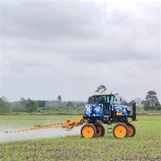
One of the most significant environmental impacts of boom sprayers is the potential for pesticide or fertilizer drift. Drift occurs when the spray droplets are carried by the wind and land outside the intended target area. This not only wastes the valuable chemicals but also can contaminate nearby water sources, non - target crops, and natural habitats.
- Calibrate the Sprayer Regularly: Regular calibration ensures that the boom sprayer applies the correct amount of chemicals at the right pressure and droplet size. An uncalibrated sprayer may over - apply or under - apply, leading to inefficiencies and potential environmental problems. For example, if too much pesticide is applied, it can runoff into waterways, causing water pollution. On the other hand, under - application may require re - spraying, increasing the overall chemical usage.
- Use Appropriate Nozzles: Different nozzles produce different droplet sizes. Larger droplets are less likely to drift, so choosing the right nozzle for the specific spraying conditions can significantly reduce drift. For instance, in windy conditions, using nozzles that produce larger droplets can help keep the spray within the target area. Additionally, some advanced nozzles are designed to minimize the formation of fine droplets that are most prone to drifting.
- Monitor Weather Conditions: Wind speed, direction, temperature, and humidity all affect spray application. It is advisable not to spray when the wind speed is too high. The ideal wind speed for spraying is usually between 2 - 4 meters per second. By checking the weather forecast before spraying, farmers can choose the most suitable time to operate the boom sprayer, reducing the risk of drift.
2. Improve Fuel Efficiency
The raised axle on a boom sprayer often adds some weight to the machine, which can increase fuel consumption. High fuel consumption not only raises operational costs but also increases carbon emissions, contributing to climate change.
- Maintain the Engine: Regular engine maintenance, such as changing the oil, air filters, and spark plugs (for gasoline engines), is essential for optimal performance. A well - maintained engine operates more efficiently, using less fuel to do the same amount of work. For example, a dirty air filter can restrict the airflow to the engine, causing it to burn more fuel to maintain power.
- Reduce Unnecessary Idling: When the boom sprayer is not in active use, such as during breaks or when waiting in the field, turning off the engine can save a significant amount of fuel. Idling for long periods wastes fuel and emits unnecessary pollutants into the atmosphere.
- Choose the Right Tires: Properly inflated and the right type of tires can reduce rolling resistance. Lower rolling resistance means the engine doesn't have to work as hard to move the boom sprayer, resulting in improved fuel efficiency. For a boom sprayer with a raised axle, selecting tires that are suitable for the weight and the terrain can make a big difference.
3. Minimize Soil Compaction
The weight of the boom sprayer, especially when carrying a full load of chemicals, can cause soil compaction, which has several negative environmental consequences. Compacted soil has reduced water infiltration, poor aeration, and can limit root growth.
- Adjust Tire Pressure: Lowering the tire pressure can increase the contact area between the tires and the soil, distributing the weight more evenly and reducing the pressure on the soil. However, it's important to find the right balance, as extremely low tire pressure can also cause problems, such as tire damage.
- Use a Fuller Load Wisely: Instead of making multiple trips with a partially filled tank, it's better to carry a full load when possible. This reduces the number of passes over the field, minimizing the amount of soil compaction caused by the boom sprayer.
- Select the Right Route: Planning the spraying route carefully can help avoid unnecessary passes over the same area. This not only reduces soil compaction but also saves time and fuel. For example, using a systematic pattern like a parallel or a zig - zag route can ensure efficient coverage of the field.
4. Recycling and Proper Disposal of Chemical Containers
The containers used for pesticides and fertilizers can pose an environmental hazard if not disposed of properly.
- Recycling Programs: Encourage farmers to participate in recycling programs for chemical containers. Many regions have specific facilities or collection points where these containers can be dropped off for recycling. Recycling reduces the amount of plastic and metal waste that ends up in landfills.
- Triple - Rinsing Containers: Before recycling or disposing of chemical containers, they should be triple - rinsed. This ensures that most of the residual chemicals are removed from the container. The rinsate can then be used in the spraying process, reducing chemical waste.
5. Upgrading to More Environment - Friendly Technologies
As a Boom Sprayer Raised Axle supplier, I am constantly looking for new technologies that can reduce the environmental impact of our products.
- Precision Agriculture Technologies: Precision agriculture technologies, such as GPS - guided spraying systems and sensors, can help optimize the use of chemicals. These systems can precisely target the areas that need treatment, reducing over - spraying. For example, a sensor - based system can detect the height and density of the crop and adjust the spray rate accordingly.
- Alternative Power Sources: Research is being done on alternative power sources for boom sprayers, such as electric or hybrid engines. Electric engines produce zero emissions at the point of use, which is a significant step in reducing the environmental impact. Although the initial cost of electric or hybrid boom sprayers may be higher, the long - term benefits in terms of reduced pollution and lower operating costs are substantial.
6. Training and Education
Farmers play a crucial role in reducing the environmental impact of boom sprayers. Providing them with proper training and education can help them make more informed decisions.
- Sprayer Operation Training: Training programs should cover topics such as sprayer calibration, nozzle selection, and weather conditions for spraying. By ensuring that farmers are well - trained in these areas, they can operate the boom sprayer more efficiently and with less environmental harm.
- Environmental Awareness Training: Educating farmers about the environmental impacts of their actions, such as the effects of pesticide drift and soil compaction, can increase their awareness and motivation to adopt more sustainable practices.
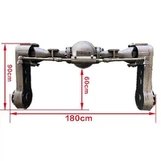
7. Consider the Design and Functionality of the Raised Axle
The design of the Boom Sprayer Raised Axle itself can have an impact on the overall environmental performance of the boom sprayer.


- Weight - Reduction Design: Engineers can work on designing raised axles that are lighter in weight without sacrificing strength and durability. A lighter axle reduces the overall weight of the boom sprayer, which in turn reduces fuel consumption and soil compaction.
- Compatibility with Other Components: The raised axle should be designed to work seamlessly with other components of the boom sprayer, such as the suspension system and the chassis. A well - integrated design can improve the overall stability and efficiency of the machine, leading to reduced environmental impact.
Conclusion
Reducing the environmental impact of a boom sprayer raised axle is a multi - faceted challenge that requires a combination of proper management, technological innovation, and education. As a supplier of Boom Sprayer Raised Axle, we are committed to providing products that not only meet the agricultural needs of our customers but also minimize harm to the environment. If you are interested in learning more about our products or discussing how we can help you reduce the environmental impact of your farming operations, please feel free to contact us for procurement and further discussions.
References
- Smith, J. (2020). "Best Practices for Sustainable Boom Spraying". Journal of Agricultural Technology.
- Green, A. (2019). "The Impact of Soil Compaction on Agriculture and How to Mitigate It". Environmental Science Review.
- Brown, R. (2021). "Advances in Precision Agriculture Technologies for Boom Sprayers". Agricultural Innovation Journal.