Transporting a boom sprayer is a crucial process that requires careful planning and execution, especially for a supplier like us. Boom sprayers are essential agricultural equipment used for applying pesticides, fertilizers, and other chemicals over large areas. Ensuring their safe and efficient transportation is not only important for the equipment's integrity but also for the satisfaction of our customers. In this blog, we'll explore the various aspects of transporting a boom sprayer, from preparation to the actual transport and post-transport checks.
Pre - transport Preparation
Inspection
Before transporting a boom sprayer, a thorough inspection is necessary. Check the overall condition of the sprayer, including the boom, tank, pump, and nozzles. Look for any signs of damage, such as cracks in the boom or leaks in the tank. Ensure that all the components are securely fastened. For example, loose bolts on the boom can cause it to shift during transport, leading to potential damage. Also, test the functionality of the sprayer's controls and safety features. This pre - transport inspection helps to identify any issues that need to be addressed before the equipment leaves our facility.
Cleaning
A clean boom sprayer is easier to transport and less likely to cause problems. Remove any remaining chemicals from the tank and thoroughly rinse it. Cleaning the nozzles is also important to prevent clogging. The boom should be cleaned of any dirt or debris that may have accumulated during use. A dirty sprayer can attract pests or cause corrosion during transport, which can affect its performance in the long run.
Disassembly (if necessary)
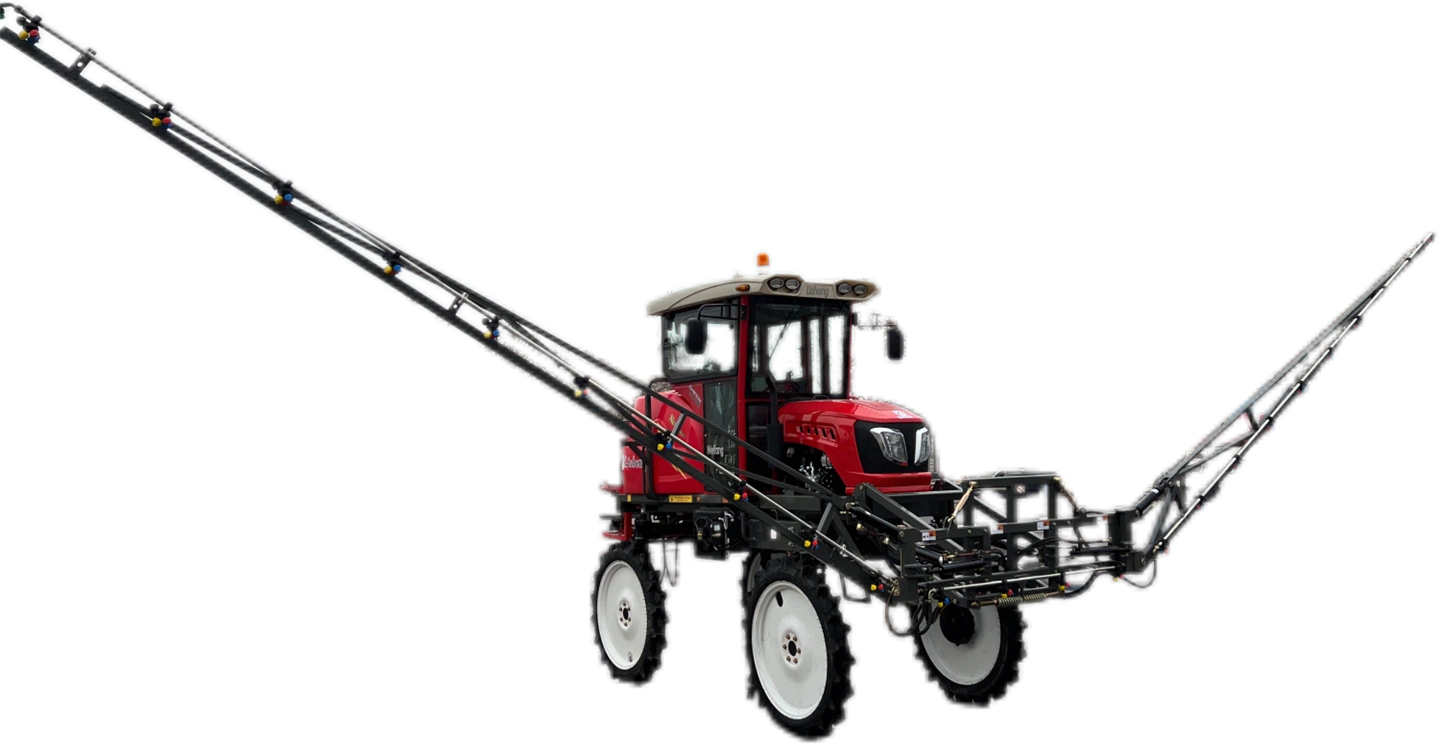
In some cases, disassembling certain parts of the boom sprayer can make transportation more manageable. For example, if the boom is too wide to be transported in one piece, it can be disassembled into smaller sections. However, this should be done carefully, and all the parts should be labeled properly. Keep a record of how the parts are disassembled so that they can be reassembled correctly at the destination.
Securing Loose Parts
Any loose parts, such as tools or accessories that come with the boom sprayer, should be securely stored. This can prevent them from moving around during transport and causing damage to the sprayer or other items in the transport vehicle. Use storage containers or tie - down straps to keep these parts in place.
Choosing the Right Transport Method
Truck Transport
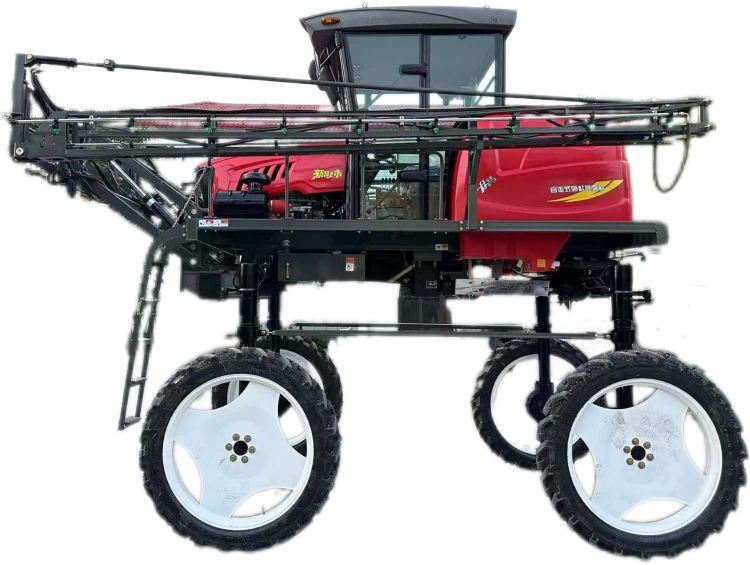
Truck transport is one of the most common methods for transporting boom sprayers. When choosing a truck, consider the size and weight of the sprayer. A large High Clearance Boom Sprayer may require a heavy - duty truck with a sufficient payload capacity. Make sure the truck has a flatbed or a suitable trailer that can accommodate the sprayer. The trailer should be equipped with tie - down points to secure the sprayer firmly.
Trailer Transport
If the boom sprayer is relatively small, it can be transported on a trailer. Trailers come in different sizes and configurations. A trailer with adjustable ramps can make it easier to load and unload the sprayer. When using a trailer, ensure that it is properly hitched to the towing vehicle and that all the safety chains are attached.
Specialized Transport Services
For long - distance or international transport, specialized transport services may be required. These services have the expertise and equipment to handle the unique requirements of transporting boom sprayers. They can also take care of customs clearance and other regulatory requirements if the sprayer is being transported across borders.
Loading the Boom Sprayer
Positioning
When loading the boom sprayer onto the transport vehicle, position it carefully. Place it in the center of the flatbed or trailer to ensure even weight distribution. This helps to prevent the vehicle from tipping during transport. If the sprayer has a heavy end, such as a large tank, make sure it is positioned towards the front of the vehicle to improve stability.
Securing the Sprayer
Use high - quality tie - down straps to secure the boom sprayer to the transport vehicle. The straps should be tightened properly to prevent the sprayer from moving. At least four tie - down points are recommended for a stable hold. Check the tension of the straps regularly during loading to ensure they are secure.
Protecting the Sprayer
To protect the boom sprayer from damage during transport, use padding or covers. Foam padding can be placed between the sprayer and the transport vehicle to prevent scratches. A waterproof cover can protect the sprayer from the elements, such as rain or snow.
During Transport
Monitoring
If possible, monitor the transport of the boom sprayer. This can be done through GPS tracking if the transport vehicle is equipped with it. Regularly check on the status of the delivery to ensure that it is on schedule. If there are any delays or issues during transport, communicate with the transport company immediately.
Road Conditions
Be aware of the road conditions during transport. Rough roads can cause the sprayer to vibrate and potentially damage its components. If the transport route includes unpaved roads or areas with poor road conditions, extra precautions should be taken, such as reducing the speed of the transport vehicle.
Unloading and Post - transport Checks
Unloading
Unloading the boom sprayer should be done as carefully as loading. Use the same ramps or equipment that was used for loading. Make sure the area where the sprayer will be unloaded is flat and stable. Unhook the tie - down straps slowly and carefully to avoid any sudden movements.
Reassembly (if necessary)
If the boom sprayer was disassembled for transport, reassemble it according to the record kept during disassembly. Check that all the parts are properly connected and tightened. This is a critical step to ensure the proper functioning of the sprayer.
Final Inspection
After unloading and reassembly, conduct a final inspection of the boom sprayer. Check for any damage that may have occurred during transport. Test the functionality of the sprayer, including the pump, nozzles, and controls. If any issues are found, address them immediately.
Conclusion
Transporting a boom sprayer is a multi - step process that requires attention to detail at every stage. From pre - transport preparation to post - transport checks, each step plays a crucial role in ensuring the safe and efficient delivery of the equipment. As a boom sprayer supplier, we are committed to providing our customers with high - quality products and reliable transportation services. If you are interested in purchasing a Self - propelled High Clearance Boom Sprayer or any other type of boom sprayer, we invite you to contact us for more information and to discuss your specific needs. Our team of experts is ready to assist you in making the right choice and ensuring a smooth transportation process.
References
- Agricultural Equipment Transport Guidelines, Agricultural Machinery Association
- Best Practices for Transporting Large - Scale Farm Equipment, Journal of Agricultural Engineering