Hey there! As a front boom sprayers supplier, I've been getting a lot of questions lately about the impact of these machines on soil structure. So, I thought I'd take a moment to share my thoughts and some scientific insights on the topic.
First off, let's talk about what front boom sprayers are. These are agricultural machines that are used to apply pesticides, fertilizers, and other chemicals to crops. They typically have a long boom that extends out from the front of the tractor, allowing for a wide coverage area.
Now, let's get into the impact of front boom sprayers on soil structure. One of the main concerns is compaction. When a heavy machine like a front boom sprayer drives over the soil, it can compress the soil particles together, reducing the pore space between them. This can lead to a number of problems, including reduced water infiltration, poor aeration, and decreased root growth.
However, it's important to note that the impact of compaction depends on a number of factors, including the weight of the machine, the moisture content of the soil, and the type of soil. For example, sandy soils are more prone to compaction than clay soils, and wet soils are more easily compacted than dry soils.
To minimize the impact of compaction, it's important to use the right equipment and techniques. For example, you can use low-ground-pressure tires or tracks to distribute the weight of the machine more evenly. You can also avoid driving on wet soils and try to limit the number of passes over the field.
Another potential impact of front boom sprayers on soil structure is erosion. When chemicals are applied to the soil, they can sometimes wash off and into nearby waterways, causing pollution and erosion. To prevent this, it's important to use the right application rates and techniques. For example, you can use a low-pressure spray to reduce the amount of chemical drift, and you can avoid applying chemicals when it's windy or rainy.
In addition to compaction and erosion, front boom sprayers can also have an impact on soil fertility. When chemicals are applied to the soil, they can sometimes change the pH level or the nutrient content of the soil. This can affect the growth and health of the crops, as well as the overall productivity of the field.
To minimize the impact on soil fertility, it's important to use the right chemicals and application rates. You should also test your soil regularly to determine its nutrient content and pH level, and adjust your fertilizer and pesticide applications accordingly.
Now, let's talk about some of the benefits of using front boom sprayers. One of the main advantages is the ability to apply chemicals evenly and efficiently. This can help to ensure that the crops receive the right amount of nutrients and protection, which can lead to higher yields and better quality produce.
Another benefit is the ability to cover a large area quickly. This can save time and labor, especially on large farms. Additionally, front boom sprayers can be equipped with a variety of features and accessories, such as GPS guidance systems and automated chemical application controls, which can further improve their efficiency and accuracy.


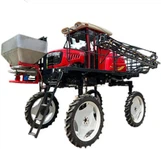
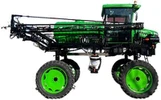
As a front boom sprayers supplier, we offer a wide range of products to meet the needs of different farmers and applications. Our High Clearance Boom Sprayers are designed for use in tall crops, while our 700l Boom Sprayers are ideal for smaller farms and applications. We also offer Hydraulic Boom Sprayers that provide powerful and precise chemical application.
If you're interested in learning more about our front boom sprayers or have any questions about the impact of these machines on soil structure, please don't hesitate to contact us. We'd be happy to discuss your needs and help you find the right solution for your farm.
In conclusion, front boom sprayers can have both positive and negative impacts on soil structure. By using the right equipment and techniques, you can minimize the negative impacts and maximize the benefits of these machines. If you're in the market for a front boom sprayer, be sure to do your research and choose a supplier that offers high-quality products and excellent customer service.
References
- Brady, N. C., & Weil, R. R. (2008). The nature and properties of soils. Pearson Prentice Hall.
- Lal, R. (2004). Soil erosion and the global carbon budget. Environment international, 30(4), 437-450.
- Kool, D. J., & Parker, J. C. (1987). Parameterization of unsaturated hydraulic conductivity for soils with heterogeneous pore structure. Soil Science Society of America Journal, 51(4), 893-898.