Transporting a manual boom sprayer safely is crucial for both the longevity of the equipment and the safety of those involved in the process. As a supplier of Manual Boom Sprayers, I understand the importance of providing clear guidance on this topic. In this blog, I'll share some key steps and considerations to ensure a safe transportation experience.
Pre - transportation Preparation
Inspection of the Sprayer
Before you even think about moving the manual boom sprayer, a thorough inspection is essential. Check the boom for any signs of damage, such as cracks or bent sections. The nozzles should be inspected to make sure they are clean and properly attached. A damaged nozzle can not only affect the spraying performance but also pose a safety risk during transportation if it comes loose.
Examine the tank for leaks. A leaky tank can lead to the spillage of chemicals, which is not only wasteful but can also be hazardous to the environment and people. Ensure that all the valves and fittings are tightly closed and in good working condition.
Securing Loose Parts
Manual boom sprayers often have several loose parts, such as hoses, nozzles, and control panels. These parts should be properly secured. You can use zip - ties or Velcro straps to bundle up hoses and prevent them from dangling. Remove any detachable nozzles and store them in a secure container. This not only protects the parts from damage but also reduces the risk of them getting caught on something during transportation.

Drainage of Chemicals
If the sprayer still contains chemicals, it is highly recommended to drain them before transportation. This reduces the weight of the sprayer and eliminates the risk of chemical spills in case of an accident. Follow the proper procedures for chemical disposal as per local regulations. If you need to transport the sprayer with chemicals, make sure the tank is completely sealed and the chemicals are properly labeled.
Choosing the Right Transportation Method
Vehicle Selection
The vehicle you choose for transporting the manual boom sprayer should be appropriate for its size and weight. For smaller manual boom sprayers, a pickup truck or a trailer may be sufficient. However, for larger models, you may need a flatbed truck. Consider the payload capacity of the vehicle to ensure it can safely carry the sprayer.
Make sure the vehicle has a secure tie - down system. This can include hooks, straps, or chains that can be used to fasten the sprayer to the vehicle. A well - secured sprayer is less likely to shift during transit, reducing the risk of damage.
Trailering Options
If you opt to use a trailer, ensure that it is in good condition. Check the tires for proper inflation and wear, and make sure the brakes and lights are working correctly. The trailer should also be the right size for the sprayer. When loading the sprayer onto the trailer, use ramps if necessary and make sure it is centered and balanced.
Loading the Sprayer
Proper Lifting Techniques
When loading the manual boom sprayer onto the vehicle or trailer, use proper lifting techniques. If the sprayer is heavy, consider using lifting equipment such as a forklift or a hoist. This not only makes the loading process easier but also reduces the risk of injury to the operators.
If you are lifting the sprayer manually, bend your knees and keep your back straight. Avoid twisting your body while lifting. Get help from other people if the sprayer is too heavy to lift alone.
Securing the Sprayer on the Vehicle
Once the sprayer is on the vehicle or trailer, it needs to be securely fastened. Use high - quality tie - down straps or chains to anchor the sprayer. Attach the straps or chains to the designated tie - down points on the sprayer and the vehicle. Make sure the straps are tight and there is no slack.
For additional stability, you can use blocks or wedges to prevent the sprayer from moving forward or backward. Place them in front of and behind the wheels or the base of the sprayer.
During Transportation
Driving Considerations
When transporting the manual boom sprayer, drive carefully. Avoid sudden starts, stops, and turns, as these can cause the sprayer to shift and potentially fall off the vehicle. Observe the speed limits and be aware of the increased length and weight of your vehicle due to the sprayer.
Check the sprayer's securement periodically during long - distance trips. Make stops every few hours to ensure that the straps are still tight and the sprayer has not moved.
Weather Conditions
Weather conditions can significantly affect the transportation of a manual boom sprayer. In rainy or snowy conditions, the sprayer may become slippery, increasing the risk of it shifting. If possible, avoid transporting the sprayer during bad weather. If you must transport it, take extra precautions such as using anti - slip mats and increasing the frequency of checks on the securement.
Unloading the Sprayer
Reverse the Loading Process
When it comes to unloading the manual boom sprayer, reverse the loading process. First, remove the blocks or wedges and loosen the tie - down straps or chains. Use proper lifting techniques again to lower the sprayer safely to the ground.
Post - unloading Inspection
After unloading, conduct another inspection of the sprayer. Check for any damage that may have occurred during transportation. If you find any issues, address them immediately before using the sprayer.
Product Recommendations
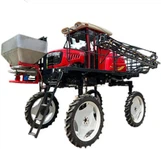
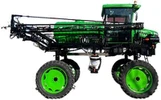
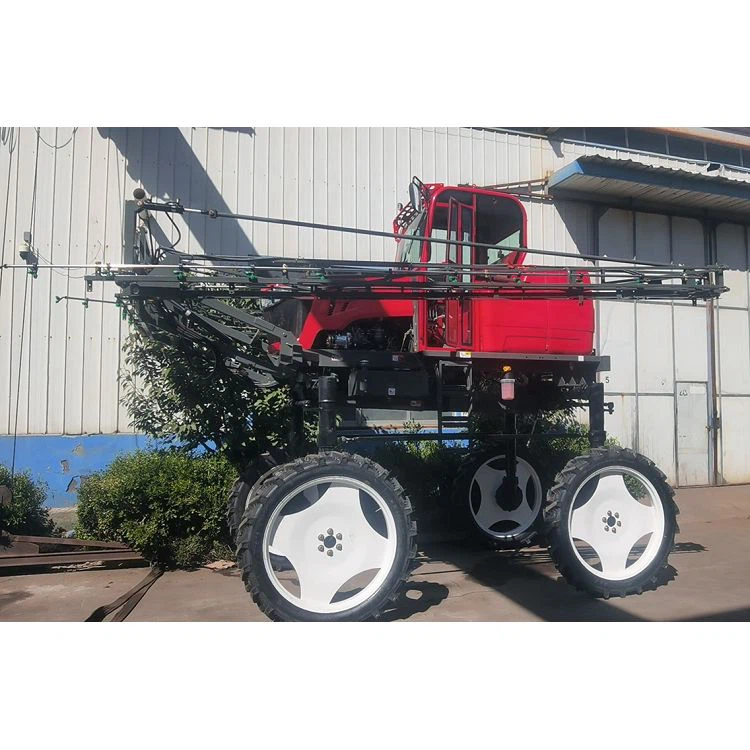
At our company, we offer a wide range of manual boom sprayers suitable for different applications. If you are looking for high - clearance options, you can explore our High Clearance Boom Sprayers. For weed - spraying tasks, our Boom Weed Sprayers are a great choice. And if you prefer an ATV - compatible option, check out our ATV Sprayers with Booms.
We understand that each customer's needs are unique, and we are committed to providing the best products and services. If you are interested in purchasing a manual boom sprayer or have any questions about transportation or installation, please reach out to us. Our team of experts is ready to assist you in making the right choice and ensuring a smooth purchasing process.
References
- Agricultural Equipment Safety Handbook, various editions.
- Manufacturer's manuals for manual boom sprayers.
In conclusion, transporting a manual boom sprayer safely requires careful planning, proper equipment, and adherence to safety procedures. By following the steps outlined in this blog, you can ensure that your sprayer arrives at its destination in good condition and ready for use. Don't hesitate to contact us if you have any further questions or if you're interested in starting a procurement discussion.