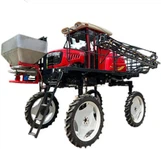
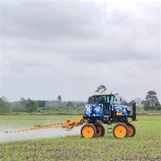
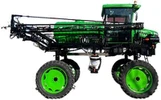
As a boom sprayer supplier, I've been in the thick of the agricultural equipment scene for quite some time. Boom sprayers are a staple in modern farming, used for applying pesticides, fertilizers, and herbicides over large areas. They're pretty handy, but like any piece of equipment, they've got their fair share of disadvantages. Let's dive into what those are.
1. High Initial Cost
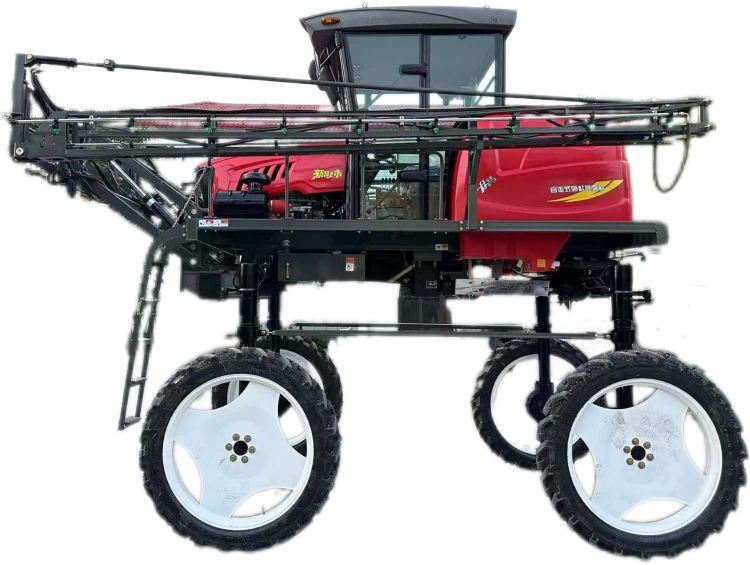
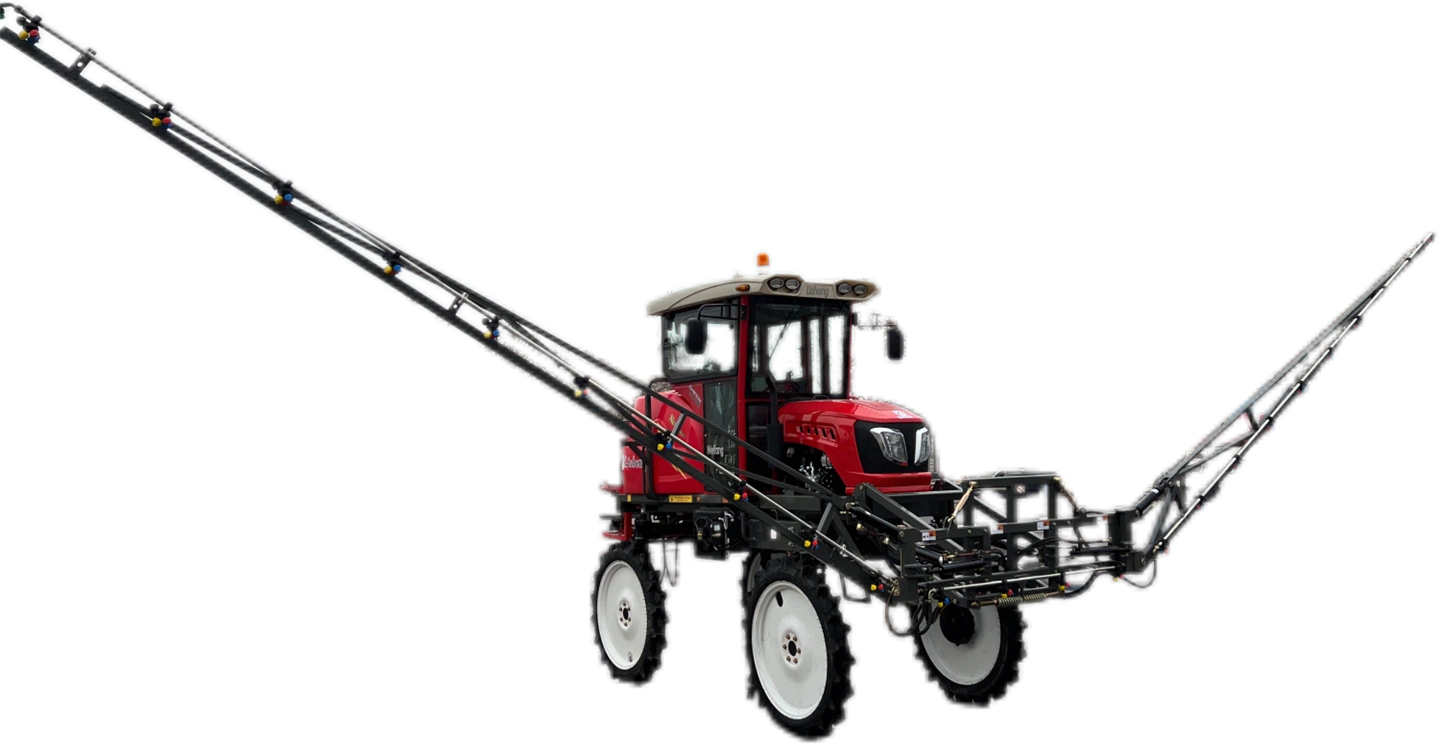
One of the biggest drawbacks of boom sprayers is the high upfront investment. Whether you're looking at a High Clearance Boom Sprayer or a Self-propelled High Clearance Boom Sprayer, these machines don't come cheap. The cost includes not just the sprayer itself but also any additional equipment like nozzles, pumps, and tanks. For small - scale farmers or those just starting out, this can be a significant financial hurdle. You've got to shell out a large chunk of money all at once, and that can put a strain on your budget. And if you're financing the purchase, you'll also have to deal with interest payments over time.
2. Maintenance and Repair
Boom sprayers are complex machines with a lot of moving parts. This means they require regular maintenance to keep them in good working condition. You've got to check the nozzles for clogs, the pumps for leaks, and the hoses for wear and tear. And if something goes wrong, repairs can be expensive. Parts can be costly, especially if they're specialized or hard - to - find. Plus, you might need to hire a professional technician to do the repair work, which adds to the overall cost. And let's not forget about the downtime. When your sprayer is in the shop, you can't get your spraying done, which can delay your farming operations and potentially affect your crop yields.
3. Environmental Impact
Another major disadvantage is the potential environmental impact. Boom sprayers work by spraying chemicals over a large area, and there's always a risk of drift. Drift occurs when the spray particles are carried by the wind away from the target area. This can lead to the contamination of nearby water sources, wildlife habitats, and even neighboring farms. The chemicals used in spraying can be harmful to aquatic life, birds, and beneficial insects. And if the drift reaches non - target crops, it can damage or even kill them. Additionally, improper use of boom sprayers can lead to over - application of chemicals, which can build up in the soil over time and have long - term negative effects on soil health.
4. Limited Maneuverability
Boom sprayers, especially the larger ones, can be quite large and heavy. This makes them difficult to maneuver in certain terrains. If you've got a farm with hilly or uneven ground, it can be a challenge to operate the sprayer safely and effectively. The boom itself can be cumbersome, and it might be difficult to get it into tight spaces or around obstacles. And if you're working in a field with a lot of crops already growing, there's a risk of the boom hitting and damaging the plants. This can limit the areas where you can use the sprayer and make it less versatile compared to other types of spraying equipment.
5. Operator Skill Requirements
Operating a boom sprayer requires a certain level of skill and knowledge. You've got to know how to set up the sprayer correctly, adjust the spray pattern, and calibrate the application rate. If you don't do these things properly, you can end up with uneven spraying, which can lead to under - or over - application of chemicals. And if you're not familiar with the safety procedures, you can put yourself and others at risk. For example, you need to wear the appropriate protective gear when handling the chemicals and be aware of the potential health hazards. Training operators can take time and resources, and if you have a high turnover of employees, you'll have to keep training new people.
6. Storage
Storing a boom sprayer can also be a problem. They're large and take up a lot of space. You need a proper storage facility to protect the sprayer from the elements, such as rain, snow, and sunlight. Exposure to these elements can cause the parts to rust, corrode, or degrade over time. And if you don't have enough space on your farm, you might have to rent storage space, which adds to the cost. Plus, you've got to make sure the storage area is secure to prevent theft and vandalism.
7. Compatibility Issues
Boom sprayers need to be compatible with the chemicals you're using. Different chemicals have different properties, such as viscosity and pH levels, and not all sprayers are designed to handle all types of chemicals. If you try to use a chemical that's not compatible with your sprayer, it can cause damage to the equipment. For example, some chemicals might react with the materials in the nozzles or hoses, leading to corrosion or clogging. And if you want to switch to a different type of chemical, you might need to make adjustments to the sprayer or even buy new parts.
8. Weather Dependence
The effectiveness of a boom sprayer is highly dependent on the weather conditions. You need calm winds to prevent drift, and the temperature and humidity can also affect the spray pattern and the way the chemicals are absorbed by the plants. If it's too windy, you can't use the sprayer at all. And if it's too hot or too cold, the chemicals might not work as effectively. This means you've got to wait for the right weather conditions to do your spraying, which can be frustrating, especially if you're on a tight schedule. And if the weather doesn't cooperate during the critical spraying period, it can have a negative impact on your crop protection.
9. Depreciation
Like any piece of equipment, boom sprayers depreciate over time. As soon as you drive it off the lot, its value starts to go down. And as new models with better features and technology come out, the resale value of your sprayer will continue to decline. This means that if you ever decide to sell your sprayer, you might not get back much of what you paid for it. And if you're relying on the resale value to upgrade to a newer model, you might find yourself short on funds.
Conclusion
Despite these disadvantages, boom sprayers are still an important tool in modern farming. They offer a fast and efficient way to apply chemicals over large areas. But it's important for farmers to be aware of the drawbacks before making a purchase. If you're considering buying a boom sprayer, make sure you weigh the pros and cons carefully. Think about your budget, the size and terrain of your farm, and your specific spraying needs. And if you do decide to go ahead with the purchase, make sure you invest in proper training and maintenance to get the most out of your sprayer.
If you're interested in learning more about our boom sprayers or discussing how we can help you overcome these challenges, feel free to reach out. We're here to assist you in making the best decision for your farming operation.
References
- Agricultural Equipment Manufacturers Association (AEMA) publications on farm machinery maintenance.
- Environmental Protection Agency (EPA) reports on the environmental impact of pesticide spraying.
- Farm management textbooks on the economics of agricultural equipment purchase and use.