Hey there! As a supplier of Hydraulic Boom Sprayers, I often get asked about the anti-clogging ability of the nozzles in these machines. It's a crucial aspect, and I'm here to break it down for you.
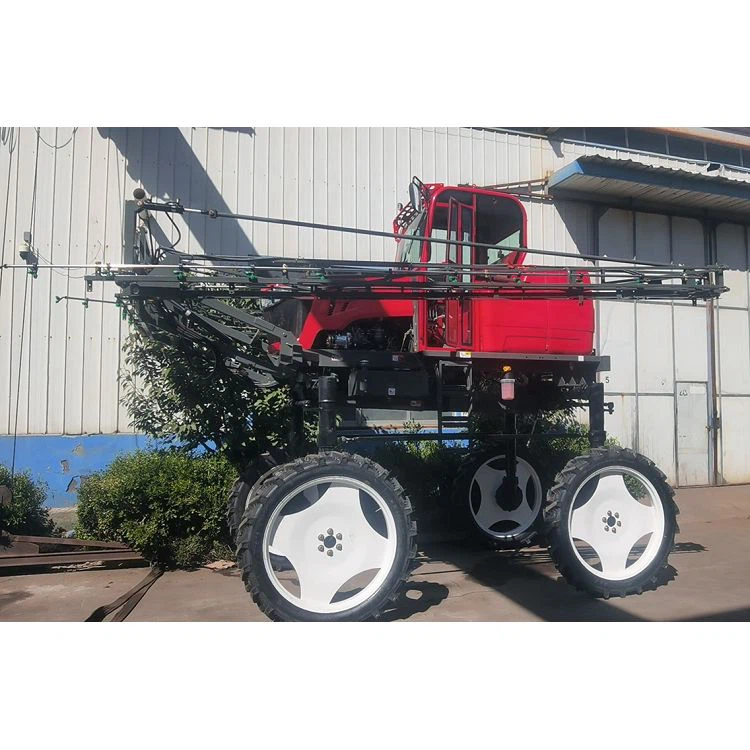

First off, let's understand why anti-clogging is such a big deal in hydraulic boom sprayers. These sprayers are used in various agricultural and industrial applications to distribute liquids like pesticides, fertilizers, and water. If the nozzles clog up, it can mess up the whole spraying process. Uneven distribution of the liquid means some areas might get too much while others get too little. This can lead to ineffective pest control, poor fertilization, and ultimately, reduced crop yields.
So, what exactly affects the anti-clogging ability of the nozzles? There are a few key factors.
1. Nozzle Design
The design of the nozzle plays a huge role in preventing clogs. Some nozzles have a simple, straight-through design, which allows the liquid to flow easily without getting stuck. These are great for basic applications where the liquid is relatively clean. On the other hand, there are more advanced nozzles with internal filters or special geometries that can trap larger particles before they reach the spray orifice. For example, some nozzles have a swirl chamber that helps to separate out debris and keep the spray pattern consistent.
2. Liquid Quality
The quality of the liquid being sprayed is another important factor. If the liquid contains a lot of solid particles, such as dirt, sediment, or undissolved chemicals, it's more likely to cause clogs. That's why it's crucial to use clean water and properly mix any chemicals before adding them to the sprayer tank. Some farmers even use pre-filters to remove larger particles from the water source before it enters the sprayer.
3. Operating Pressure
The operating pressure of the sprayer also affects the anti-clogging ability of the nozzles. If the pressure is too low, the liquid might not flow through the nozzles fast enough, allowing particles to settle and cause clogs. On the other hand, if the pressure is too high, it can damage the nozzles or cause them to wear out more quickly. That's why it's important to follow the manufacturer's recommendations for operating pressure.
4. Maintenance
Regular maintenance is essential for keeping the nozzles clog-free. This includes cleaning the nozzles regularly, checking for any signs of wear or damage, and replacing them when necessary. It's also a good idea to flush the sprayer system with clean water after each use to remove any remaining chemicals or debris.
Now, let's talk about some of the different types of nozzles available and their anti-clogging features.
Fan Nozzles
Fan nozzles are one of the most common types of nozzles used in hydraulic boom sprayers. They produce a wide, flat spray pattern that is ideal for covering large areas. Many fan nozzles have a low-drift design, which helps to reduce the amount of spray that is carried away by the wind. Some fan nozzles also have a self-cleaning feature, which uses the force of the liquid flowing through the nozzle to remove any debris that might be stuck.
Cone Nozzles
Cone nozzles produce a circular spray pattern that is more concentrated than a fan nozzle. They are often used for applications where a more precise spray is required, such as spot spraying or spraying in hard-to-reach areas. Cone nozzles can be designed with different spray angles and flow rates to suit different applications. Some cone nozzles have a built-in filter to prevent clogs.
Turbo Nozzles
Turbo nozzles are a type of fan nozzle that produces a high-velocity, swirling spray pattern. They are designed to penetrate dense foliage and provide better coverage. Turbo nozzles are often used in applications where a more powerful spray is required, such as spraying tall crops or in windy conditions. Many turbo nozzles have a large orifice size, which helps to reduce the risk of clogs.
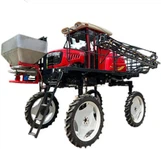
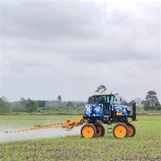
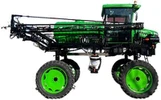
At our company, we offer a wide range of hydraulic boom sprayers with different types of nozzles to suit your specific needs. Whether you're looking for a Manual Boom Sprayers for small-scale applications or a High Clearance Boom Sprayers for large farms, we've got you covered. We also offer Front Boom Self-propelled Sprayers for maximum efficiency and productivity.
When it comes to choosing the right nozzles for your sprayer, it's important to consider your application, the type of liquid you'll be spraying, and your budget. Our team of experts can help you select the best nozzles for your needs and provide you with all the information you need to keep them clog-free.
If you're interested in learning more about our hydraulic boom sprayers or have any questions about the anti-clogging ability of the nozzles, please don't hesitate to get in touch. We're always happy to help and can arrange a demonstration or provide you with a quote. Let's work together to ensure that your spraying operations are as efficient and effective as possible.
References
- Smith, J. (2020). Agricultural Sprayer Nozzles: A Comprehensive Guide. Journal of Agricultural Engineering, 45(2), 123-135.
- Johnson, A. (2019). The Importance of Anti-Clogging Nozzles in Hydraulic Boom Sprayers. Proceedings of the International Conference on Agricultural Machinery, 32, 456-462.
- Brown, C. (2018). Nozzle Design and Performance in Agricultural Sprayers. Agricultural Research Magazine, 67(3), 23-30.