When delving into the world of small boom sprayers, one of the most critical aspects to understand is the capacity of their tanks. As a seasoned supplier of small boom sprayers, I've witnessed firsthand the significance of tank capacity in the efficiency and effectiveness of spraying operations. In this blog, we'll explore what the tank capacity of a small boom sprayer means, how it impacts your work, and what factors you should consider when choosing a suitable capacity.
Understanding Tank Capacity
The tank capacity of a small boom sprayer refers to the volume of liquid that the sprayer's tank can hold. This liquid can be a variety of substances, including water, pesticides, herbicides, fertilizers, and other agricultural chemicals. The capacity is typically measured in liters (L) or gallons (US or imperial).
Small boom sprayers are designed for a range of applications, from small - scale farming to landscaping and horticulture. Their tank capacities can vary significantly, generally ranging from as small as 100 liters (about 26 US gallons) to around 1000 liters (about 264 US gallons). The specific capacity you need depends on several factors, such as the size of the area to be sprayed, the type of crop or vegetation, and the spraying frequency.
Impact of Tank Capacity on Spraying Operations
Area Coverage
The tank capacity directly affects how much area you can cover in a single filling. A larger tank means you can spray a more extensive area without having to stop and refill frequently. For example, if you have a small orchard with a total area of 5 hectares and your small boom sprayer has a 500 - liter tank, you can calculate the number of times you'll need to refill based on the spraying rate. If the spraying rate is 200 liters per hectare, you'll need to refill the tank twice to cover the entire orchard. On the other hand, if you have a 1000 - liter tank, you can complete the job in one go.
Efficiency
Frequent refilling can be time - consuming and disrupt the spraying process. A sprayer with an appropriate tank capacity can significantly improve efficiency. In large - scale operations, time is of the essence, and minimizing downtime for refilling can lead to increased productivity. For instance, in a large vineyard where every minute counts during the spraying season, a sprayer with a larger tank can save hours of refilling time over the course of a day.
Mobility and Maneuverability
While a larger tank capacity offers advantages in terms of area coverage and efficiency, it can also affect the mobility and maneuverability of the sprayer. A heavier tank filled with liquid can make the sprayer more difficult to move, especially in tight spaces or on uneven terrain. Smaller tanks are generally more lightweight and easier to handle, which can be beneficial in small gardens or areas with limited access.
Factors to Consider When Choosing Tank Capacity
Size of the Spraying Area
The most obvious factor to consider is the size of the area you need to spray. For small home gardens or urban landscaping projects, a sprayer with a tank capacity of 100 - 200 liters may be sufficient. However, for commercial farms or large agricultural fields, you'll likely need a sprayer with a capacity of 500 liters or more.
Type of Crop or Vegetation
Different crops and vegetation require different spraying rates. For example, dense crops like wheat or corn may need a higher volume of spraying solution per unit area compared to more sparse crops like onions or carrots. If you're spraying a crop that requires a high spraying rate, you'll need a sprayer with a larger tank capacity to cover the area without frequent refilling.
Spraying Frequency
If you need to spray your crops or vegetation frequently, a larger tank capacity can be more cost - effective in the long run. You'll spend less time refilling and more time spraying, which can increase your overall productivity. However, if you only need to spray occasionally, a smaller tank may be more than adequate.
Our Product Range and Tank Capacities
As a supplier of small boom sprayers, we offer a wide range of products with different tank capacities to meet the diverse needs of our customers. We understand that every customer's requirements are unique, and we're committed to providing the best - suited solutions.
For small - scale applications, we have models like our 12m Boom Sprayer with tank capacities ranging from 200 - 400 liters. These sprayers are compact, easy to maneuver, and ideal for small gardens, nurseries, and urban landscaping.
For medium - sized agricultural operations, we provide sprayers with tank capacities between 400 - 700 liters. These models offer a good balance between area coverage and mobility, suitable for small to medium - sized farms.
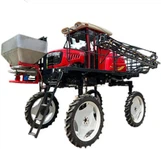
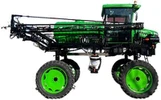
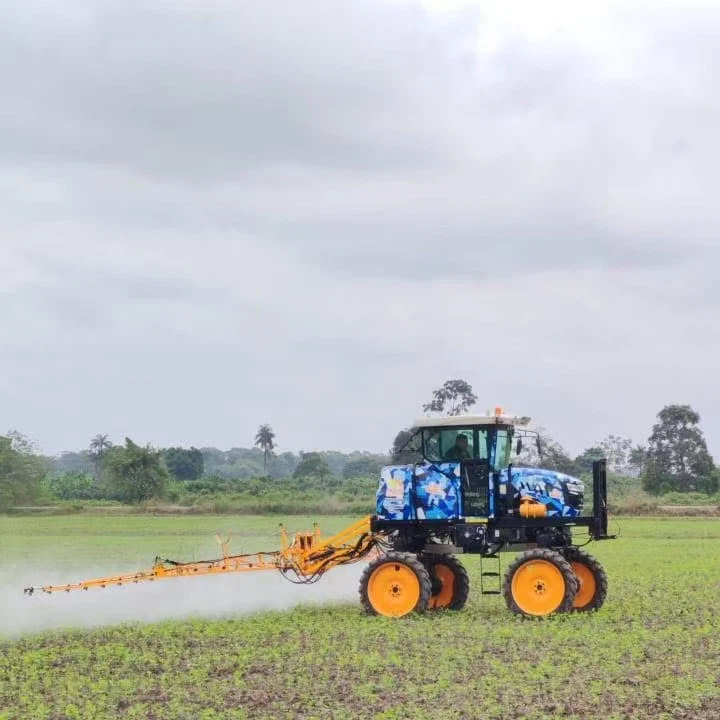
For large - scale commercial farming, our High Ground Clearance Boom Sprayer is a great option. It comes with tank capacities of up to 1000 liters, allowing you to cover large areas efficiently.
In addition, we also have our Agricultural High Pole Sprayer, which is designed for applications where high - reach spraying is required, such as fruit trees. These sprayers are available with various tank capacities to meet different needs.
How to Determine the Right Tank Capacity for You
If you're still unsure about which tank capacity is right for you, here are some steps you can take:
- Measure Your Area: Calculate the total area you need to spray. You can use satellite maps or a simple measuring tape for smaller areas.
- Research Spraying Rates: Look up the recommended spraying rates for your specific crop or vegetation. This information can usually be found on the product labels of the chemicals you'll be using or from agricultural extension services.
- Consider Your Working Conditions: Think about the terrain, accessibility, and the time you have available for spraying. If you have to work in tight spaces or your time is limited, a smaller, more maneuverable sprayer may be a better choice despite a smaller tank capacity.
Paving the Way for Informed Decisions
The tank capacity of a small boom sprayer is a crucial factor that can significantly impact the efficiency and effectiveness of your spraying operations. By understanding your specific needs, considering the size of the area, the type of crop, and other relevant factors, you can make an informed decision when choosing a small boom sprayer with the right tank capacity.
At our company, we're dedicated to helping you find the perfect small boom sprayer that fits your requirements. If you have any questions or need further assistance in selecting the right tank capacity or a suitable sprayer model, please don't hesitate to contact us. We're here to guide you through the process and ensure that you have a successful spraying experience. Let's discuss your needs and find the best solution for your agricultural or landscaping projects.

References
- Agricultural Chemicals Handbook (latest edition)
- Sprayer Technology Manuals from leading manufacturers
- Research papers on farm equipment efficiency and tank capacity optimization