Hey there! As a supplier of 12m boom sprayers, I often get asked about the chemical compatibility of these machines. It's a crucial topic because using the wrong chemicals with your boom sprayer can lead to all sorts of problems, from reduced effectiveness to damage to the equipment. So, let's dive into what chemical compatibility means for a 12m boom sprayer.
Understanding Chemical Compatibility
First off, what do we mean by chemical compatibility? Simply put, it's about how well the chemicals you use in your boom sprayer work with the materials of the sprayer itself. A 12m boom sprayer is made up of various components like tanks, hoses, nozzles, and pumps. Each of these parts is made from different materials such as plastics, metals, and rubber.
Chemicals can react with these materials in different ways. Some chemicals might be corrosive, which means they can eat away at metal parts over time. Others might dissolve or swell certain types of plastics or rubber. If you use a chemical that's not compatible with your sprayer, it can cause leaks, clogs, or even complete failure of the equipment.
Factors Affecting Chemical Compatibility
There are several factors that can affect the chemical compatibility of a 12m boom sprayer.
Chemical Properties
The type of chemical you're using is the most obvious factor. Herbicides, pesticides, fertilizers, and fungicides all have different chemical compositions. For example, some herbicides are formulated with strong acids or alkalis. These can be particularly harsh on the sprayer's components.
Acidic chemicals can corrode metal tanks and nozzles, while alkaline chemicals might break down rubber seals. It's important to check the chemical's label for any compatibility warnings or recommendations.
Temperature
Temperature also plays a role in chemical compatibility. Higher temperatures can speed up chemical reactions. So, if you're using a chemical that's marginally compatible with your sprayer at room temperature, it might cause problems when the temperature rises.


For instance, in hot summer months, the heat can make some plastics more susceptible to the effects of certain chemicals. This can lead to softening or cracking of the plastic parts in your boom sprayer.
Concentration
The concentration of the chemical in the spray solution matters too. A higher concentration of a chemical can be more aggressive towards the sprayer's materials. If you're mixing a chemical at a higher-than-recommended concentration, you're increasing the risk of compatibility issues.
Let's say you're using a pesticide. The manufacturer might recommend a certain dilution rate. If you use a stronger solution, it could cause more rapid corrosion of metal parts or damage to rubber hoses.
Ensuring Chemical Compatibility
So, how can you make sure that the chemicals you're using are compatible with your 12m boom sprayer?
Read the Labels
This is the most important step. Chemical manufacturers usually provide detailed information on their product labels about compatibility with different materials. Look for warnings about using the chemical with certain types of plastics, metals, or rubber.
If the label says the chemical is not compatible with aluminum, for example, and your boom sprayer has aluminum components, you'll need to find an alternative chemical or take extra precautions.
Test Small Quantities
Before you start a large spraying operation, it's a good idea to test the chemical in a small quantity. Mix a small amount of the chemical with water and run it through a small section of your sprayer. Check for any signs of damage or reaction, such as leaks, discoloration, or changes in the texture of the materials.
If you notice any problems during the test, don't use the chemical in your full-scale spraying. Instead, look for a more compatible alternative.
Choose the Right Materials
When you're buying a 12m boom sprayer, consider the materials it's made from. Some sprayers are designed to be more chemical-resistant than others. For example, a sprayer with stainless steel tanks and hoses made from chemical-resistant rubber will be more durable when using harsh chemicals.
If you know you'll be using a lot of acidic or alkaline chemicals, invest in a sprayer that's built to handle them.
Our 12m Boom Sprayers and Chemical Compatibility
At our company, we understand the importance of chemical compatibility. That's why our 12m boom sprayers are designed with high-quality, chemical-resistant materials. Our tanks are made from heavy-duty plastics or stainless steel, which can withstand a wide range of chemicals.
Our hoses are made from special rubber compounds that are resistant to swelling and degradation. And our nozzles are designed to be corrosion-resistant, ensuring a consistent and accurate spray pattern even when using harsh chemicals.
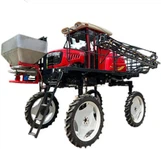
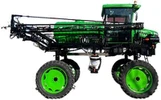
We also offer a range of other boom sprayers, including Small Boom Sprayer, High Ground Clearance Boom Sprayer, and Four-wheel Sprayer. Each of these sprayers is engineered to provide excellent chemical compatibility, so you can use them with confidence.
Conclusion
Chemical compatibility is a critical aspect of using a 12m boom sprayer. By understanding the factors that affect compatibility and taking the necessary precautions, you can ensure the longevity and effectiveness of your sprayer.
If you're in the market for a 12m boom sprayer or have any questions about chemical compatibility, don't hesitate to get in touch. We're here to help you make the right choice for your spraying needs.
References
- "Agricultural Sprayer Technology" by W. E. Frazier and R. L. Rouse
- "Chemical Compatibility Handbook" by Parker Hannifin Corporation