Hey there! As a supplier of 700l Boom Sprayers, I often get asked about the flow rate of these machines. So, I thought I'd write a blog post to break it down for you.


First off, let's understand what flow rate means. In simple terms, the flow rate of a boom sprayer is the amount of liquid (usually a pesticide, herbicide, or fertilizer solution) that the sprayer can pump out per unit of time. It's typically measured in liters per minute (l/min).
The flow rate of a 700l Boom Sprayer can vary depending on several factors. One of the main factors is the type of pump used in the sprayer. Different pumps have different capacities and performance characteristics. For example, some pumps are designed for high - pressure applications, while others are more focused on delivering a large volume of liquid at a relatively lower pressure.
Another factor that affects the flow rate is the nozzle configuration. Nozzles come in different sizes and types, each with its own flow rate specifications. The number of nozzles on the boom also plays a role. A sprayer with more nozzles will generally have a higher overall flow rate, as long as the pump can supply enough liquid to all of them.
Typically, for a 700l Boom Sprayer, the flow rate can range anywhere from 10 l/min to 50 l/min. However, this is just a rough estimate. If you're using a high - capacity pump and large - sized nozzles, you might be able to achieve a flow rate closer to the upper end of this range. On the other hand, if you're using a smaller pump and fine - mist nozzles, the flow rate will be lower.
Let's talk about why the flow rate is important. The right flow rate is crucial for effective spraying. If the flow rate is too low, you might not be applying enough of the chemical solution to the target area. This can lead to ineffective pest or weed control, or insufficient fertilization. On the other hand, if the flow rate is too high, you could end up wasting the chemical solution, and there's also a risk of over - spraying, which can damage the crops and the environment.
When you're choosing a 700l Boom Sprayer, it's important to consider your specific needs. If you're spraying a large area with a thick canopy of crops, you'll probably need a higher flow rate to ensure complete coverage. But if you're working in a more delicate environment, like a greenhouse or a small garden, a lower flow rate might be more appropriate.
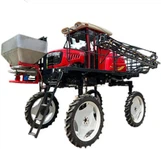
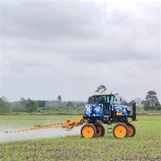
Now, let me introduce you to some of the different types of boom sprayers we offer. We have Boom Weed Sprayers, which are great for controlling weeds in large fields. These sprayers are designed to cover a wide area quickly and efficiently.
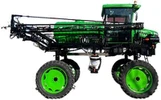
Our Front Boom Self - propelled Sprayers are ideal for larger farms. They offer excellent maneuverability and can be adjusted to different spraying heights and widths, allowing you to customize the spraying operation according to your needs.
And then there are our Hydraulic Boom Sprayers. These sprayers use hydraulic power to operate the boom and the pump, providing a reliable and efficient spraying solution.
So, how do you determine the right flow rate for your 700l Boom Sprayer? Well, it's a bit of a balancing act. You need to consider the type of chemical you're using, the size of the area you're spraying, and the nature of the crops. It's also a good idea to consult with an expert or do some test runs to see what works best for your specific situation.
If you're in the market for a 700l Boom Sprayer, we're here to help. We can provide you with all the information you need about the flow rate and other features of our sprayers. Whether you're a small - scale farmer or a large agricultural operation, we have the right solution for you.
Don't hesitate to reach out if you have any questions or if you're interested in learning more about our products. We're always happy to have a chat and help you make the best decision for your spraying needs. Let's work together to get your crops in the best shape possible!
References:
- Agricultural Spraying Equipment Handbook
- Pesticide Application Technology Manual