As a supplier of Manual Boom Sprayers, I often receive inquiries from customers about the maximum spraying height of these sprayers. This is a crucial question, especially for those in the agricultural and horticultural sectors, as the spraying height can significantly impact the efficiency and effectiveness of pest control, fertilization, and other spraying operations. In this blog post, I will delve into the factors that determine the maximum spraying height of a manual boom sprayer and provide some practical insights based on our experience in the industry.
Understanding Manual Boom Sprayers
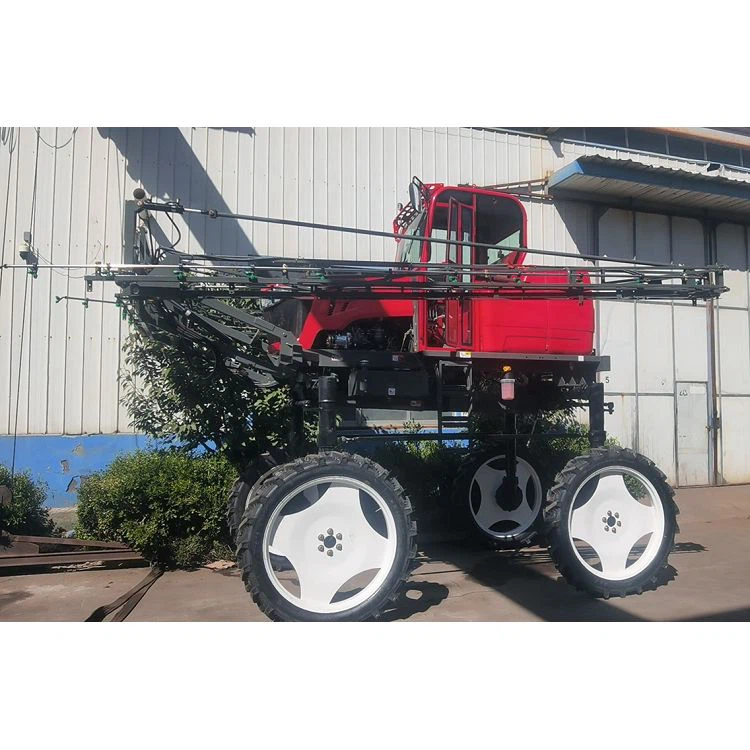
Before we discuss the maximum spraying height, let's briefly understand what a manual boom sprayer is. A manual boom sprayer is a type of spraying equipment that consists of a boom (a long, horizontal arm) with multiple nozzles attached to it. The boom is typically mounted on a frame, which can be attached to a tractor, ATV, or other vehicles. The sprayer is powered by a manual pump or a small engine, which pressurizes the liquid in the tank and forces it through the nozzles, creating a fine mist or spray.
Manual boom sprayers are widely used in agriculture, horticulture, and landscaping for various applications, such as spraying pesticides, herbicides, fertilizers, and water. They are preferred by many users because of their simplicity, affordability, and ease of use. However, one of the limitations of manual boom sprayers is their relatively limited spraying height compared to larger, more powerful sprayers.
Factors Affecting the Maximum Spraying Height
The maximum spraying height of a manual boom sprayer is determined by several factors, including the following:
Pressure
The pressure at which the liquid is pumped through the nozzles is one of the most important factors affecting the spraying height. Higher pressure generally results in a greater spraying height, as the liquid is forced out of the nozzles with more force. However, increasing the pressure also increases the risk of overspray and drift, which can cause environmental pollution and damage to non-targeted areas. Therefore, it is important to find the right balance between pressure and spraying height.
Nozzle Type and Size
The type and size of the nozzles used in the sprayer also play a significant role in determining the spraying height. Different nozzle types are designed to produce different spray patterns and droplet sizes, which can affect the spraying height and coverage. For example, a nozzle with a narrow spray angle and small droplet size will generally produce a higher spraying height than a nozzle with a wide spray angle and large droplet size.
Boom Design and Length
The design and length of the boom can also affect the spraying height. A longer boom will generally provide a greater spraying width, but it may also reduce the spraying height due to the increased weight and drag. Additionally, the design of the boom, such as the number and spacing of the nozzles, can also affect the spraying pattern and height.
Wind Conditions
Wind conditions can have a significant impact on the spraying height and coverage of a manual boom sprayer. Strong winds can cause the spray to drift and reduce the spraying height, while calm winds can help to keep the spray in the desired area. Therefore, it is important to choose the right time of day and weather conditions for spraying to minimize the effects of wind.
Typical Maximum Spraying Heights
Based on our experience and testing, the maximum spraying height of a manual boom sprayer typically ranges from 2 to 5 meters (6.6 to 16.4 feet). However, this can vary depending on the factors mentioned above. For example, a sprayer with a high-pressure pump and small nozzles may be able to achieve a spraying height of up to 5 meters, while a sprayer with a low-pressure pump and large nozzles may only be able to achieve a spraying height of 2 meters.

It is important to note that the maximum spraying height is not always the most important factor in determining the effectiveness of a spraying operation. Other factors, such as the spraying width, droplet size, and coverage, also play a crucial role in ensuring that the spray reaches the target area and provides the desired results.
Applications and Considerations
The maximum spraying height of a manual boom sprayer can have a significant impact on its applications and effectiveness. Here are some common applications and considerations based on the spraying height:
Low-Crop Spraying
For low-crop spraying, such as spraying vegetables, fruits, and flowers, a spraying height of 2 to 3 meters is usually sufficient. In this case, a sprayer with a lower pressure and larger nozzles may be more suitable, as it can provide a wider spraying width and better coverage.
Medium-Crop Spraying
For medium-crop spraying, such as spraying wheat, corn, and soybeans, a spraying height of 3 to 4 meters is typically required. In this case, a sprayer with a higher pressure and smaller nozzles may be more appropriate, as it can provide a greater spraying height and better penetration of the crop canopy.
High-Crop Spraying
For high-crop spraying, such as spraying trees and tall shrubs, a spraying height of 4 to 5 meters or more may be necessary. In this case, a sprayer with a high-pressure pump and specialized nozzles may be required to achieve the desired spraying height and coverage.
Our Manual Boom Sprayers
At our company, we offer a wide range of manual boom sprayers to meet the diverse needs of our customers. Our sprayers are designed with high-quality materials and advanced technology to ensure reliable performance and long service life. We also provide customized solutions to meet the specific requirements of our customers.
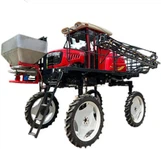
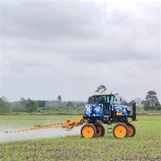
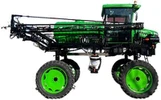
Some of our popular products include 700l Boom Sprayers, ATV Sprayers with Booms, and High Clearance Boom Sprayers. These sprayers are suitable for various applications and can provide a maximum spraying height of up to 5 meters, depending on the model and configuration.
Contact Us for Purchase and Consultation
If you are interested in purchasing a manual boom sprayer or have any questions about our products, please feel free to contact us. Our team of experts will be happy to provide you with detailed information and guidance on choosing the right sprayer for your needs. We can also offer competitive prices and excellent after-sales service to ensure your satisfaction.
References
- Smith, J. (2020). Agricultural Spraying Equipment: Principles and Practices. Elsevier.
- Johnson, R. (2019). Spray Nozzle Selection and Application. CRC Press.
- Thompson, M. (2018). Manual Boom Sprayers: A Comprehensive Guide. Springer.