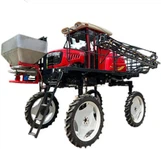
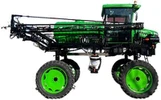
Noise reduction technology in four - wheel sprayers plays a crucial role in enhancing user experience, reducing environmental impact, and complying with noise regulations. As a supplier of Four - wheel Sprayers, I am well - versed in the various noise reduction techniques employed in these machines.


Sources of Noise in Four - wheel Sprayers
Before delving into the noise reduction technology, it's essential to understand the primary sources of noise in four - wheel sprayers. The engine is one of the most significant noise producers. The internal combustion process, with its rapid explosions and mechanical movements, generates a substantial amount of noise. The pump, which is responsible for pressurizing the liquid to be sprayed, also contributes to the overall noise level. The movement of the wheels on different terrains, especially rough ones, can create additional noise, as well as the vibration of the sprayer's structure itself.
Noise Reduction Technologies
Engine Design and Insulation
Modern four - wheel sprayers often feature advanced engine designs that are inherently quieter. Engine manufacturers are constantly working on improving the combustion process to reduce the intensity of the explosions within the cylinders. For example, direct injection systems can provide more precise fuel delivery, leading to smoother combustion and less noise.
Insulation is another key aspect. The engine compartment of a four - wheel sprayer is typically lined with sound - absorbing materials. These materials are designed to trap the sound waves generated by the engine and prevent them from escaping into the environment. Fiberglass, foam, and other acoustic materials are commonly used for this purpose. By reducing the amount of engine noise that reaches the operator and the surrounding area, the overall noise level of the sprayer is significantly decreased.
Pump Noise Reduction
The pump in a four - wheel sprayer is designed to minimize noise. One approach is to use a more efficient pump design. For instance, positive displacement pumps can be designed with fewer moving parts and smoother flow characteristics, which reduces the noise generated during the pumping process.
In addition, the pump can be isolated from the main structure of the sprayer. Rubber mounts or other vibration - damping materials are used to decouple the pump from the frame, preventing the transmission of vibrations and noise. This isolation helps to keep the pump noise from spreading throughout the sprayer and into the environment.
Wheel and Terrain Considerations
The choice of wheels can also have an impact on noise levels. Four - wheel sprayers are often equipped with tires that are designed to reduce noise. These tires may have a special tread pattern that is optimized for quiet operation. The tread pattern can be designed to minimize the contact noise between the tire and the ground, especially on hard surfaces.
When it comes to terrain, the sprayer's suspension system can play a role in noise reduction. A well - designed suspension system can absorb the shocks and vibrations caused by uneven terrain, reducing the noise generated by the movement of the wheels. This not only improves the comfort of the operator but also helps to keep the overall noise level of the sprayer in check.
Structural Design for Noise Reduction
The overall structural design of the four - wheel sprayer is carefully considered to reduce noise. The frame and body of the sprayer are designed to be rigid and stable, which helps to prevent the resonance and vibration that can amplify noise. Reinforcements and bracing are used in strategic locations to strengthen the structure and reduce the likelihood of noise - inducing vibrations.
In addition, the placement of components within the sprayer is optimized. For example, noisy components such as the engine and pump are located in areas where their noise can be more effectively contained and isolated. This strategic placement helps to minimize the impact of these components on the overall noise level of the sprayer.
Benefits of Noise Reduction in Four - wheel Sprayers
The use of noise reduction technology in four - wheel sprayers offers several benefits. Firstly, it improves the working environment for the operator. A quieter sprayer means less noise pollution for the operator, which can reduce fatigue and stress during long working hours. This, in turn, can lead to increased productivity and better job performance.
Secondly, noise reduction is beneficial for the environment. In agricultural areas, where four - wheel sprayers are commonly used, excessive noise can disrupt wildlife and cause annoyance to nearby residents. By reducing the noise level of the sprayer, we can minimize the impact on the local ecosystem and the community.
Finally, noise reduction can help sprayer manufacturers comply with noise regulations. Many countries and regions have strict noise limits for agricultural machinery. By implementing effective noise reduction technology, four - wheel sprayer suppliers can ensure that their products meet these regulations, which is essential for market access.
Our Four - wheel Sprayers and Noise Reduction
As a Four - wheel Sprayer supplier, we are committed to providing high - quality sprayers with advanced noise reduction technology. Our Four - wheel Sprayer models are designed with the latest engine, pump, and structural technologies to minimize noise.
We also offer a range of related products, such as the High Ground Clearance Boom Sprayer and the Agricultural High Pole Sprayer, which also incorporate noise reduction features. These products are suitable for various agricultural applications, from large - scale farms to small - family orchards.
Contact for Purchase and Negotiation
If you are interested in our four - wheel sprayers or any of our other products, we encourage you to contact us for purchase and negotiation. Our team of experts is ready to provide you with detailed information about our products, including their noise reduction capabilities, performance, and pricing. We can also offer customized solutions to meet your specific needs.
References
- "Agricultural Machinery Noise Control: Principles and Practices" - A comprehensive guide on noise reduction in agricultural equipment.
- "Modern Engine Design for Reduced Noise" - A research paper on the latest engine design techniques for noise reduction.
- "Pump Design and Noise Reduction" - An article focusing on the design of pumps to minimize noise in industrial and agricultural applications.