In the realm of modern agriculture, the efficiency and precision of crop spraying operations are of utmost importance. Agricultural boom sprayers have emerged as indispensable tools for farmers worldwide, enabling them to apply pesticides, fertilizers, and other agrochemicals evenly across large fields. At the heart of these sophisticated machines lies the boom control system, a technological marvel that plays a pivotal role in enhancing the performance and effectiveness of boom sprayers. As a leading supplier of agricultural boom sprayers, I am excited to delve into the significance of the boom control system and its impact on agricultural productivity.
Understanding the Agricultural Boom Sprayer
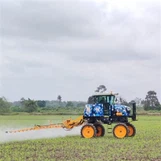
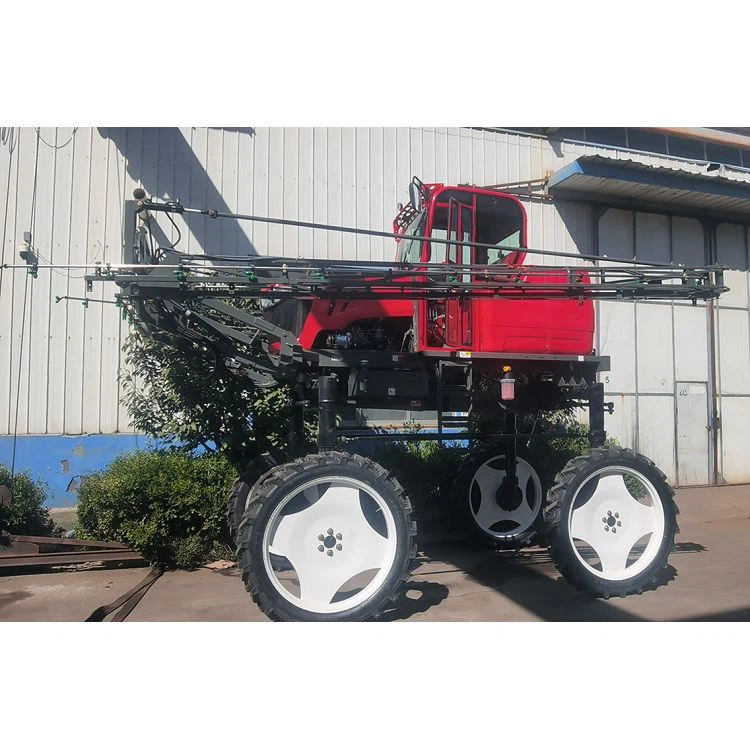
Before we explore the role of the boom control system, let's first gain a basic understanding of the agricultural boom sprayer. A boom sprayer consists of a liquid tank, a pump, a boom, and a series of nozzles. The liquid tank stores the agrochemical solution, which is then pumped through the boom and dispensed through the nozzles onto the crops. The boom, which is typically a long, horizontal arm, extends across the width of the field and holds the nozzles in place.
The Role of the Boom Control System
The boom control system is responsible for managing and adjusting the position, height, and angle of the boom during the spraying process. This system ensures that the nozzles are positioned at the optimal height and angle above the crops, allowing for uniform application of the agrochemicals. Here are some of the key roles played by the boom control system:
1. Precision Application
One of the primary functions of the boom control system is to ensure precise application of the agrochemicals. By maintaining a consistent height and angle of the boom, the system ensures that the nozzles deliver the correct amount of spray to each area of the field. This precision application helps to minimize waste and reduce the risk of over - or under - spraying, which can have a significant impact on crop health and yield.
2. Terrain Adaptability
Fields are often uneven, with varying slopes, bumps, and depressions. The boom control system is designed to adapt to these changes in terrain, automatically adjusting the height and angle of the boom to maintain a constant distance between the nozzles and the crops. This adaptability ensures that the spray is applied evenly across the entire field, regardless of the terrain conditions.

3. Avoiding Obstacles
In addition to adapting to terrain, the boom control system also helps to avoid obstacles in the field, such as trees, rocks, and irrigation systems. The system can detect these obstacles using sensors and adjust the position of the boom accordingly, preventing damage to the equipment and ensuring safe operation.
4. Increased Efficiency
By automating the process of boom adjustment, the boom control system significantly increases the efficiency of the spraying operation. Farmers can cover more ground in less time, as the system eliminates the need for manual adjustments. This increased efficiency not only saves time but also reduces labor costs.
5. Reducing Drift
Drift, which occurs when the spray is carried away from the target area by wind, can be a major problem in crop spraying. The boom control system helps to reduce drift by maintaining a consistent height and angle of the boom, which ensures that the spray is directed towards the crops. Additionally, some advanced boom control systems are equipped with wind sensors that can adjust the spray pattern based on the wind speed and direction.
Types of Boom Control Systems
There are several types of boom control systems available on the market, each with its own unique features and benefits. Some of the most common types include:
1. Manual Boom Control
Manual boom control systems require the operator to adjust the height and angle of the boom manually. While these systems are relatively simple and inexpensive, they are less precise and efficient compared to automated systems. Manual Boom Sprayers are often used in small - scale farming operations where cost is a major consideration.
2. Hydraulic Boom Control
Hydraulic boom control systems use hydraulic cylinders to adjust the height and angle of the boom. These systems offer greater precision and control compared to manual systems, and they can be automated to some extent. Hydraulic boom control systems are commonly used in medium - to large - scale farming operations.
3. Electronic Boom Control
Electronic boom control systems are the most advanced type of boom control systems available. These systems use sensors, actuators, and a central control unit to automatically adjust the height, angle, and position of the boom. Electronic boom control systems offer the highest level of precision, efficiency, and adaptability, and they are ideal for large - scale commercial farming operations.
Our Agricultural Boom Sprayers and Boom Control Systems
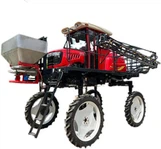
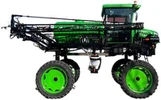
As a supplier of agricultural boom sprayers, we offer a wide range of products equipped with state - of - the - art boom control systems. Our High Clearance Boom Sprayers are designed to provide maximum clearance for tall crops, while our 700l Boom Sprayers are perfect for medium - sized fields.
Our boom control systems are engineered to deliver exceptional performance and reliability. Whether you choose a manual, hydraulic, or electronic boom control system, you can be assured of precise application, terrain adaptability, and increased efficiency. Our team of experts is always available to provide you with the best advice and support to help you choose the right boom sprayer and boom control system for your specific needs.
Conclusion
The boom control system is an essential component of an agricultural boom sprayer, playing a crucial role in ensuring precise, efficient, and effective crop spraying. By maintaining the optimal position, height, and angle of the boom, this system helps to maximize crop yield, minimize waste, and reduce the environmental impact of agrochemical application.
If you are looking to upgrade your agricultural spraying equipment or invest in a new boom sprayer, we invite you to contact us. Our experienced team is ready to assist you in selecting the perfect boom sprayer and boom control system for your farm. We are committed to providing high - quality products and excellent customer service to help you achieve your agricultural goals.
References
- Smith, J. (2020). Agricultural Spraying Technology: Advancements and Best Practices. Journal of Agricultural Engineering, 45(2), 123 - 135.
- Johnson, A. (2019). The Role of Boom Control Systems in Precision Agriculture. Precision Agriculture Today, 12(3), 45 - 56.
- Brown, C. (2018). Terrain - Adaptive Boom Sprayers: A Review of Current Technologies. Agricultural Machinery and Equipment Review, 32(4), 78 - 89.