The spraying height of an agricultural boom sprayer is a crucial factor that significantly impacts the efficiency, effectiveness, and safety of agricultural spraying operations. As a leading supplier of agricultural boom sprayers, we understand the importance of getting this parameter right. In this blog, we will delve into what the spraying height of an agricultural boom sprayer is, why it matters, and how to determine the optimal spraying height for different scenarios.
Understanding the Spraying Height of an Agricultural Boom Sprayer
The spraying height of an agricultural boom sprayer refers to the vertical distance between the nozzles on the boom and the target surface, which is usually the crop canopy or the ground. This height is not a fixed value and can vary depending on several factors, including the type of crop, the growth stage of the crop, the type of chemicals being sprayed, and the environmental conditions.
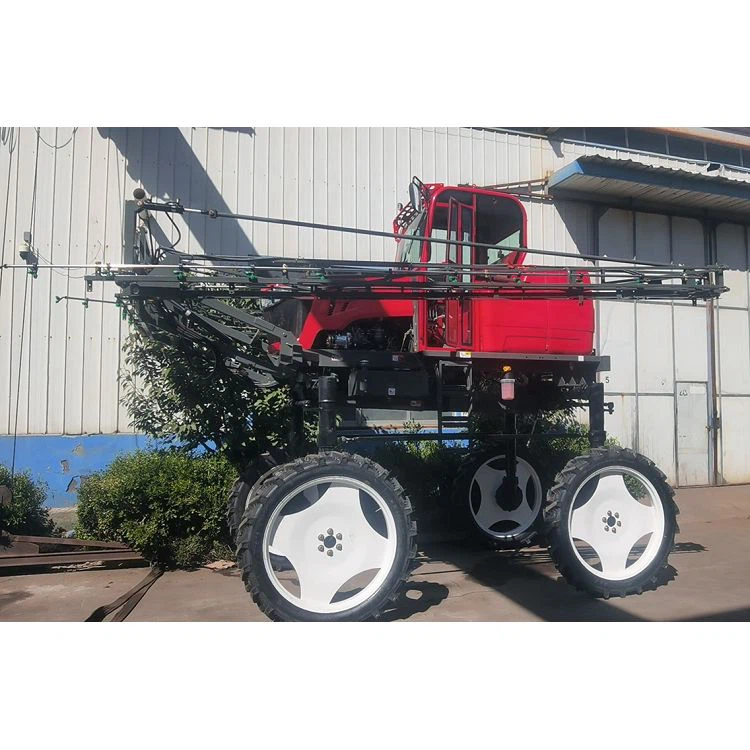

For instance, when spraying a low - growing crop like lettuce, the spraying height may be relatively low, perhaps around 30 - 50 centimeters above the crop canopy. On the other hand, when spraying a tall crop such as corn at its later growth stages, the spraying height could be 1 - 1.5 meters or even higher.
Why Spraying Height Matters
Coverage and Uniformity
The spraying height directly affects the coverage and uniformity of the spray. If the boom is too high, the spray droplets may be dispersed over a wider area, leading to uneven coverage. Some parts of the field may receive too little spray, while others may get an excessive amount. This can result in ineffective pest control or over - application of fertilizers, both of which can have negative impacts on crop yield and quality.
Drift
Spraying at an improper height can also increase the risk of spray drift. Spray drift occurs when spray droplets are carried by wind away from the target area. A higher spraying height generally means that the droplets have a longer distance to travel through the air, increasing the likelihood of them being caught by the wind and drifting to non - target areas. This can cause damage to neighboring crops, contaminate water sources, and pose a risk to human health and the environment.
Droplet Size and Impact
The spraying height can influence the size of the spray droplets when they reach the target surface. As the droplets fall from the nozzles, they can break up or coalesce depending on the distance they travel. A shorter spraying height can help ensure that the droplets reach the target in the desired size range, which is important for proper adhesion and penetration of the chemicals into the plant tissue.
Factors Affecting the Optimal Spraying Height
Crop Type and Growth Stage
Different crops have different heights and canopy structures, which require different spraying heights. For example, vineyards may need a lower spraying height to ensure that the spray reaches the foliage and fruits close to the ground. As crops grow, the spraying height may need to be adjusted accordingly. In the early growth stages of a crop, a lower height may be sufficient, but as the crop matures and grows taller, the boom needs to be raised.
Chemical Type
The type of chemical being sprayed also plays a role in determining the spraying height. Some chemicals, such as herbicides, may require a more precise application to target weeds without harming the crops. In such cases, a lower spraying height may be necessary to ensure accurate placement of the spray. Insecticides and fungicides may have different requirements based on their mode of action and the location of the pests or diseases on the plant.
Environmental Conditions
Wind speed and direction are important environmental factors that affect the spraying height. In windy conditions, a lower spraying height can help reduce the risk of spray drift. Temperature and humidity can also influence the evaporation rate of the spray droplets. Higher temperatures and lower humidity can cause the droplets to evaporate more quickly, which may require adjustments to the spraying height and droplet size.
How to Determine the Optimal Spraying Height
Manufacturer's Recommendations
Most agricultural boom sprayers come with manufacturer's guidelines regarding the recommended spraying heights for different applications. These recommendations are based on extensive research and testing and can serve as a good starting point. However, it's important to note that these are general guidelines and may need to be adjusted based on the specific conditions of your farm.
Field Testing
Conducting field tests is an effective way to determine the optimal spraying height for your specific situation. You can start by setting the boom at a reasonable height based on the factors mentioned above and then evaluate the coverage and effectiveness of the spray. This can be done by using water - sensitive paper or other monitoring tools to measure the distribution of the spray droplets. Based on the results of the tests, you can make adjustments to the spraying height until you achieve the desired results.
Use of Technology
Modern agricultural boom sprayers are often equipped with advanced technologies such as GPS and height sensors. These technologies can help maintain a consistent spraying height across the field, taking into account the terrain and crop variations. Some sprayers can even automatically adjust the boom height in real - time based on the data collected by the sensors.
Our Agricultural Boom Sprayer Products
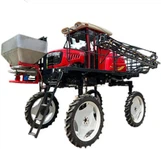
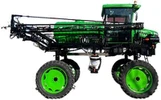
At our company, we offer a wide range of agricultural boom sprayers to meet the diverse needs of farmers. Our Boom Weed Sprayers are designed for efficient weed control, with adjustable spraying heights to ensure accurate application of herbicides. Our High Clearance Boom Sprayers are suitable for tall crops, allowing for high - level spraying without damaging the plants. And our Manual Boom Sprayers provide a cost - effective solution for small - scale farms, with easy - to - adjust boom heights.
Conclusion
In conclusion, the spraying height of an agricultural boom sprayer is a critical parameter that requires careful consideration. By understanding the factors that affect the optimal spraying height and using the right techniques and technologies, farmers can ensure efficient, effective, and safe spraying operations. If you are in the market for an agricultural boom sprayer or need advice on spraying height and other related issues, we encourage you to contact us. Our team of experts is ready to assist you in finding the best solutions for your farming needs. Let's work together to achieve higher crop yields and better agricultural sustainability.
References
- Smith, J. (2018). Agricultural Spraying Technology: Principles and Practices. Publisher XYZ.
- Johnson, A. et al. (2020). Impact of Spraying Height on Spray Drift and Coverage in Different Crops. Journal of Agricultural Science, 45(2), 123 - 135.
- Brown, C. (2019). Crop - Specific Spraying Strategies for Optimal Chemical Application. Agricultural Research Review, 32(1), 45 - 56.