When it comes to agricultural spraying operations, one of the equipment options that farmers and agricultural businesses often consider is the boom sprayer with a raised axle. As a supplier of Boom Sprayer Raised Axle, I have received numerous inquiries about the suitability of using this equipment in areas with nearby water sources. In this blog post, I will delve into this topic and provide a comprehensive analysis of the factors involved.
Understanding the Boom Sprayer Raised Axle
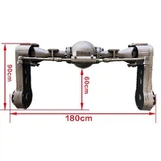
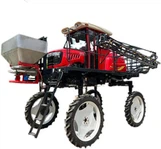
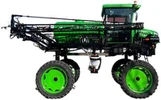
Before discussing its use near water sources, it's essential to understand what a boom sprayer raised axle is. A boom sprayer is a machine used to apply liquid pesticides, herbicides, fertilizers, or other agricultural chemicals over a large area. The raised axle feature is designed to increase the ground clearance of the sprayer, allowing it to pass over taller crops without damaging them. This is particularly useful in fields with high - growing crops such as corn or sugarcane.
The Boom Sprayer Raised Axle offers several advantages. It provides better stability on uneven terrain, reduces soil compaction, and allows for more precise spraying. However, when used in areas close to water sources, these benefits need to be weighed against potential environmental risks.


Potential Risks Near Water Sources
The primary concern when using a boom sprayer raised axle near water sources is the risk of chemical runoff. Agricultural chemicals can be harmful to aquatic ecosystems. Pesticides and herbicides may kill fish, amphibians, and other aquatic organisms, disrupt the food chain, and contaminate drinking water supplies. Fertilizers can cause eutrophication, a process where excessive nutrients in the water lead to an overgrowth of algae, which can deplete oxygen levels and harm aquatic life.
Another risk is the possibility of spills. If there is a leak in the sprayer's tank or a malfunction in the spraying system, chemicals can be released directly into the soil or water. Even a small spill can have a significant impact on nearby water bodies.
Mitigating the Risks
Despite the potential risks, it is possible to use a boom sprayer raised axle in areas with nearby water sources safely. Here are some strategies that can be employed:
1. Proper Chemical Selection
Choose agricultural chemicals that are less toxic to aquatic life. Many manufacturers now offer environmentally - friendly alternatives that break down more quickly in the environment and have lower toxicity levels. Always read the product labels carefully to understand the potential impacts on water sources.
2. Buffer Zones
Establish buffer zones between the spraying area and the water source. A buffer zone is an area of land that is not sprayed and acts as a filter to prevent chemicals from reaching the water. The width of the buffer zone depends on various factors such as the type of chemical, the slope of the land, and the proximity of the water source. In general, a wider buffer zone provides more protection.
3. Calibration and Maintenance
Regularly calibrate the boom sprayer to ensure accurate application rates. Over - spraying can increase the risk of runoff. Also, perform routine maintenance on the sprayer to prevent leaks and malfunctions. Check the hoses, valves, and nozzles for any signs of wear or damage.
4. Weather Conditions
Avoid spraying on windy days or when rain is expected soon. Wind can carry the sprayed chemicals off - target and into water sources, while rain can cause the chemicals to wash into nearby water bodies.
5. Training and Education
Ensure that the operators of the boom sprayer are well - trained in proper spraying techniques and environmental protection. They should be aware of the potential risks and know how to take appropriate precautions.
Case Studies
There have been several successful cases of using boom sprayers with raised axles near water sources. In some regions, farmers have implemented integrated pest management (IPM) strategies. IPM combines biological, cultural, and chemical control methods to minimize the use of pesticides. By using natural predators to control pests and only applying pesticides when necessary, the risk of chemical runoff is significantly reduced.
In other cases, farmers have installed vegetative buffer strips along the edges of water bodies. These strips of grass or other vegetation help to filter out chemicals and sediment before they reach the water.
Advantages of Using a Boom Sprayer Raised Axle Near Water Sources
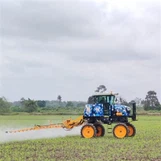
While there are risks, there are also some advantages to using a boom sprayer raised axle in areas with nearby water sources. For example, the raised axle allows for better maneuverability in wet or marshy areas. This can be beneficial in regions where waterlogged fields are common.
Moreover, with proper risk mitigation measures in place, the use of a boom sprayer raised axle can still be an efficient way to apply agricultural chemicals. It can help farmers to protect their crops from pests and diseases, which is essential for maintaining high yields.
Other Related Products
In addition to the Boom Sprayer Raised Axle, we also offer Boom Sprayer Raised Chassis and Boom Sprayer 4WD 4WD Axle. The raised chassis provides even greater ground clearance, while the 4WD axle offers enhanced traction and stability, especially in challenging terrains. These products can be used in conjunction with the raised axle to further improve the performance of the boom sprayer.
Conclusion
In conclusion, a boom sprayer raised axle can be used in areas with nearby water sources, but it requires careful planning and risk management. By selecting the right chemicals, establishing buffer zones, maintaining the equipment, and following proper spraying techniques, the potential environmental risks can be minimized.
As a supplier of Boom Sprayer Raised Axle, we are committed to providing high - quality products and supporting our customers in using them safely and effectively. If you are interested in learning more about our products or have any questions regarding their use near water sources, please feel free to contact us for further discussion and potential procurement. We look forward to working with you to find the best solutions for your agricultural spraying needs.
References
- "Agricultural Chemicals and Water Quality" - Environmental Protection Agency (EPA)
- "Integrated Pest Management: Principles and Practice" - University Extension Publications
- "Vegetative Buffer Strips for Water Quality Protection" - Natural Resources Conservation Service (NRCS)