Can Boom Weed Sprayers be used for spraying attractants?
Hey there! I'm a supplier of Boom Weed Sprayers, and I often get asked if these sprayers can be used for spraying attractants. Well, let's dig into this topic and find out.
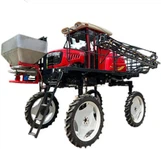
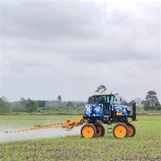
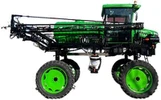
First off, let's talk a bit about what Boom Weed Sprayers are. Boom Weed Sprayers are commonly used in agriculture for spraying herbicides to control weeds. They have a long boom that extends across a large area, allowing for efficient and even distribution of the liquid being sprayed. These sprayers come in different sizes and configurations, like the 700l Boom Sprayers and Front Boom Self - propelled Sprayers, which offer various capacities and mobility options to suit different farming needs.
Now, when it comes to using them for spraying attractants, there are several factors to consider.
Compatibility of the Sprayer and the Attractant
One of the most important things is whether the attractant is compatible with the materials of the boom sprayer. Attractants can have different chemical compositions. Some might be acidic, others basic, and some could have solvents or other components that could potentially react with the plastic, rubber, or metal parts of the sprayer. For example, if an attractant contains a strong acid, it could corrode the metal nozzles or the plastic tanks of the sprayer over time. Before using a boom sprayer for an attractant, it's crucial to check the chemical properties of the attractant and compare them with the manufacturer's specifications for the sprayer.
Spraying Pattern and Coverage
Boom weed sprayers are designed to provide a specific spraying pattern for weed control. Usually, they are set up to cover a wide swath of land evenly with herbicides. Attractants, on the other hand, might require a different spraying pattern. For instance, if you're using an attractant to draw insects to a specific area, you might need a more concentrated or targeted spray rather than a wide - spread one. Some attractants are used to attract pollinators to flower beds, and in such cases, you'd want to spray around the plants rather than over a large open area. So, you may need to adjust the nozzles or the boom settings of the sprayer to achieve the right pattern for the attractant.
Precision and Dosage
Precision is key when it comes to using attractants. You need to apply the right amount of attractant to get the desired effect. Boom weed sprayers are calibrated for herbicide application, and the flow rate and dosage settings are optimized for that purpose. When using them for attractants, you'll have to figure out the correct dosage and adjust the sprayer accordingly. Too much attractant can be a waste and might even have negative effects, like over - attracting pests or scaring away the target species. Too little, and it won't be effective.
Cleaning and Contamination
After using a boom sprayer for attractants, proper cleaning is essential. If you plan to switch back to spraying herbicides or other chemicals later, any residue of the attractant left in the sprayer could contaminate the next batch of chemicals. This could lead to ineffective spraying or even damage to the crops. You'll need to follow a thorough cleaning procedure, which might involve flushing the system with clean water multiple times and using appropriate cleaning agents if necessary.
Advantages of Using Boom Weed Sprayers for Attractants
Despite the challenges, there are some advantages to using boom weed sprayers for attractants. They are relatively large - scale and can cover a lot of ground quickly. If you have a large farm or a big area where you need to apply an attractant, a boom sprayer can save you a lot of time compared to using smaller, handheld sprayers. Also, many modern boom sprayers come with advanced features like adjustable boom height and flow control, which can be adjusted to meet the requirements of attractant application.
Real - World Examples
Let's look at some real - world scenarios where boom weed sprayers have been used for attractants. In some large - scale orchards, farmers use attractants to draw insects away from the fruit trees. By using a boom sprayer, they can cover the perimeter of the orchard quickly with the attractant, creating a barrier that lures the pests away from the valuable crops. In vineyards, attractants can be used to attract beneficial insects like ladybugs, which help control aphids. A boom sprayer can be used to apply the attractant in between the rows of vines efficiently.
Making the Decision
So, can boom weed sprayers be used for spraying attractants? The answer is yes, but with careful consideration. You need to assess the compatibility of the attractant and the sprayer, adjust the spraying pattern and dosage, and ensure proper cleaning. If you're confident that you can meet these requirements, then a boom sprayer can be a great tool for applying attractants.
If you're interested in using boom weed sprayers for attractants or have any other questions about our products, feel free to reach out. We're here to help you make the right choice for your agricultural needs. Whether you need a 700l Boom Sprayers for a medium - sized farm or a Front Boom Self - propelled Sprayers for larger operations, we've got you covered. Contact us to start a discussion about your specific requirements and let's find the best solution together.


References
- Agricultural Sprayer Handbook: A guide to understanding the operation and maintenance of various types of agricultural sprayers.
- Chemical Compatibility Charts: These provide information on how different chemicals interact with various materials used in sprayers.
- Research papers on the use of attractants in agriculture and the impact of spraying methods on their effectiveness.