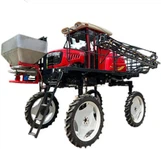
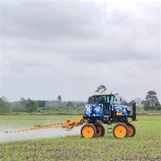
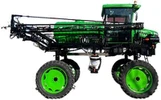
As a supplier of Four - wheel Sprayers, I've witnessed firsthand the importance of understanding how to operate these machines in different weather conditions. Weather can significantly impact the efficiency, effectiveness, and safety of sprayer operations. In this blog, I'll share some practical tips on operating a four - wheel sprayer across various weather scenarios.
Sunny and Dry Weather
Sunny and dry days are often considered ideal for spraying, but they come with their own set of challenges. The high temperatures can cause the spray solution to evaporate quickly, leading to reduced coverage and potential damage to the crops due to the concentration of pesticides or fertilizers.
- Adjust Spray Pressure and Nozzle Size: On hot days, it's crucial to adjust the spray pressure and nozzle size to ensure a fine mist that maximizes coverage without excessive evaporation. A lower pressure with a smaller nozzle can help create smaller droplets that adhere better to the plants. For instance, if you're using a Four - wheel Sprayer, you might need to reduce the pressure from the standard setting to prevent the spray from evaporating before it reaches the target.
- Time Your Spraying: Avoid spraying during the hottest part of the day, usually between 10 am and 4 pm. Instead, opt for early morning or late afternoon when the temperatures are lower, and the wind is typically calmer. This allows the spray to settle on the plants and be absorbed effectively.
- Monitor Humidity: Low humidity levels in sunny and dry weather can accelerate evaporation. Keep an eye on the humidity readings and adjust your spraying strategy accordingly. If the humidity is extremely low, you may need to increase the volume of the spray solution to compensate for the loss due to evaporation.
Cloudy Weather
Cloudy days offer several advantages for sprayer operations. The lower temperatures and reduced sunlight slow down evaporation, allowing the spray to stay on the plants for longer periods. However, there are still factors to consider.
- Check for Rain: Cloudy weather can sometimes lead to unexpected rain. Before starting your spraying, check the weather forecast to ensure that there is no chance of precipitation within the next few hours. Rain can wash away the spray before it has a chance to be absorbed by the plants, rendering the application ineffective.
- Adjust Spray Concentration: Since the evaporation rate is lower on cloudy days, you may need to adjust the concentration of the spray solution. A slightly higher concentration can be used to ensure that the plants receive the appropriate amount of pesticides or fertilizers. For example, if you're using a 20m Boom Sprayer, you can increase the concentration by a small percentage while maintaining the recommended safety guidelines.
- Be Aware of Wind: Even on cloudy days, wind can affect the accuracy of the spray. Look for signs of wind movement, such as rustling leaves or swaying branches. If the wind is too strong, it can cause the spray to drift off - target, potentially contaminating non - target areas. In such cases, it's best to wait for the wind to subside or adjust the spraying direction to minimize drift.
Windy Weather
Windy conditions pose a significant challenge for sprayer operators. The wind can cause the spray to drift, leading to uneven coverage, damage to neighboring crops, and potential harm to the environment.
- Reduce Spray Height: Lowering the boom height of the sprayer can help minimize the effect of the wind on the spray. A lower boom keeps the spray closer to the ground, reducing the distance it has to travel through the air and decreasing the chances of drift. For a 12m Boom Sprayer, make sure the boom is set at an appropriate height based on the wind speed.
- Use Drift - Reducing Nozzles: Specialized drift - reducing nozzles can be installed on the sprayer to produce larger droplets that are less likely to be carried away by the wind. These nozzles are designed to create a more concentrated and targeted spray pattern, even in windy conditions.
- Avoid Spraying in High Winds: If the wind speed exceeds the recommended limit for your sprayer, it's best to postpone the spraying operation. High winds can make it almost impossible to achieve accurate and effective coverage, and the risk of drift is too high. Wait for the wind to die down to a manageable level before resuming your work.
Rainy Weather
Spraying in rainy weather is generally not recommended. Rain can wash away the spray solution, reducing its effectiveness and potentially causing environmental pollution.


- Wait for the Rain to Stop: If it starts raining during your spraying, immediately stop the operation and wait for the rain to stop. Allow the plants to dry before resuming spraying to ensure proper adhesion of the spray.
- Inspect the Sprayer: After exposure to rain, inspect the sprayer for any signs of damage or water ingress. Check the nozzles, hoses, and other components to ensure that they are functioning properly. Rainwater can also cause corrosion if not properly dried and maintained.
- Adjust the Spraying Schedule: If rain is forecasted in the near future, reschedule your spraying to a more suitable time. This will help you avoid wasting the spray solution and ensure that the application is effective.
Foggy Weather
Foggy conditions can be tricky for sprayer operations. The high humidity and reduced visibility can affect the accuracy of the spray and the drying time of the solution.
- Improve Visibility: Use appropriate lighting on your sprayer to improve visibility in foggy conditions. This will help you accurately position the boom and ensure that the spray is applied evenly.
- Monitor Drying Time: The high humidity in foggy weather can slow down the drying time of the spray solution. Be patient and allow sufficient time for the spray to dry on the plants before any further operations. This will prevent the spray from being smeared or washed away.
- Adjust Spray Volume: Since the plants are already moist in foggy conditions, you may need to reduce the spray volume slightly to avoid over - saturation. This will help prevent runoff and ensure that the plants receive the right amount of the spray solution.
In conclusion, operating a four - wheel sprayer in different weather conditions requires careful planning and adjustment of your spraying strategy. By understanding the impact of weather on the sprayer operation, you can ensure efficient, effective, and safe application of pesticides and fertilizers. If you're in the market for a high - quality four - wheel sprayer, our range of products, including the 20m Boom Sprayer, Four - wheel Sprayer, and 12m Boom Sprayer, can meet your needs. Contact us for more information and to discuss your specific requirements. We're here to help you make the most of your spraying operations.
References
- Agricultural Spraying Technology Handbook
- Weather and Its Impact on Agricultural Spraying - Research Papers