Do I need a special license to use a trailed boom sprayer? This is a question that many farmers, agricultural contractors, and landowners often ask. As a supplier of trailed boom sprayers, I've encountered this query numerous times. In this blog, I'll delve into the details to provide you with a comprehensive understanding of the licensing requirements associated with using a trailed boom sprayer.
Understanding Trailed Boom Sprayers
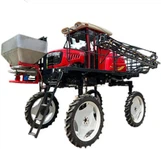
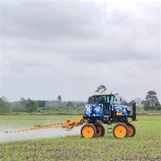
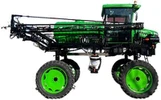
Before we discuss the licensing aspect, let's briefly understand what a trailed boom sprayer is. A trailed boom sprayer is an agricultural equipment that is towed behind a tractor. It is designed to evenly distribute pesticides, fertilizers, or other liquid chemicals over a large area of farmland. The boom, which extends horizontally, is equipped with multiple nozzles that spray the liquid in a controlled manner. There are different types of trailed boom sprayers available in the market, such as Tractor Mounted Boom Sprayers and Trailer Boom Sprayer.


Factors Influencing Licensing Requirements
The need for a special license to use a trailed boom sprayer depends on several factors. These factors vary from country to country and even from state to state within a country. Here are some of the key factors that determine whether you need a license:
Type of Chemicals Used
One of the primary factors is the type of chemicals you intend to spray. If you are using pesticides or other restricted-use chemicals, you are more likely to need a license. These chemicals are regulated due to their potential environmental and health risks. For example, in many countries, pesticides that contain certain active ingredients are classified as restricted-use pesticides. To use these pesticides, you must have the appropriate training and certification.
Application Rate and Area
The application rate and the area you plan to spray also play a role in determining the licensing requirements. If you are applying chemicals at a high rate or over a large area, you may need a license. This is because large-scale spraying can have a significant impact on the environment, and regulators want to ensure that it is done safely and responsibly.
Public Health and Safety
The proximity of the spraying area to public areas, such as schools, hospitals, and residential areas, is another important factor. If you are spraying near these areas, you may need a special license to ensure the safety of the public. Additionally, if your spraying activities have the potential to contaminate water sources, such as rivers, lakes, and groundwater, you may be required to have a license.
Licensing Requirements in Different Regions
Let's take a look at the licensing requirements in some different regions to get a better understanding of the variations.
United States
In the United States, the licensing requirements for using a trailed boom sprayer vary from state to state. The Environmental Protection Agency (EPA) regulates pesticides at the federal level, but each state has its own regulations regarding the use of pesticides. In general, if you are using restricted-use pesticides, you will need a pesticide applicator license. There are two types of pesticide applicator licenses: private and commercial. A private applicator license is required if you are using pesticides on your own land for agricultural purposes. A commercial applicator license is required if you are applying pesticides for hire.
European Union
In the European Union, the use of pesticides is regulated by the EU Pesticides Regulation. Each member state is responsible for implementing and enforcing these regulations. In general, anyone who uses pesticides professionally, including those using trailed boom sprayers, must have the appropriate training and certification. The specific requirements vary from country to country, but most countries require operators to pass a written exam and have practical experience.
Australia
In Australia, the licensing requirements for using a trailed boom sprayer depend on the state or territory. The Australian Pesticides and Veterinary Medicines Authority (APVMA) regulates pesticides at the national level, but each state and territory has its own regulations regarding the use of pesticides. In general, if you are using restricted-use pesticides, you will need a pesticide applicator license. The requirements for obtaining a license vary from state to state, but typically include completing a training course and passing an exam.
Benefits of Obtaining a License
Even if it is not mandatory in your area, obtaining a license to use a trailed boom sprayer can have several benefits.
Compliance with Regulations
By obtaining a license, you ensure that you are compliant with all the relevant regulations. This can help you avoid fines and legal issues. It also demonstrates your commitment to responsible and safe agricultural practices.
Access to Restricted-Use Chemicals
A license allows you to use restricted-use chemicals, which can be more effective in controlling pests and diseases. These chemicals are often not available to unlicensed users. By having access to these chemicals, you can improve the productivity and quality of your crops.
Professional Reputation
Having a license can enhance your professional reputation. It shows that you have the necessary knowledge and skills to use a trailed boom sprayer safely and effectively. This can be beneficial if you are working as an agricultural contractor or if you are looking to expand your business.
How to Obtain a License
If you determine that you need a license to use a trailed boom sprayer, here are the general steps to obtain one:
Research the Requirements
The first step is to research the licensing requirements in your area. Contact your local agricultural department or regulatory agency to find out what the specific requirements are. They can provide you with information on the training courses, exams, and other requirements.
Complete a Training Course
Most licensing programs require you to complete a training course. These courses cover topics such as pesticide safety, application techniques, and environmental protection. You can find training courses offered by agricultural colleges, extension services, and private training providers.
Pass an Exam
After completing the training course, you will need to pass an exam. The exam typically consists of a written test and may also include a practical component. The exam tests your knowledge of the topics covered in the training course.
Apply for the License
Once you have completed the training course and passed the exam, you can apply for the license. You will need to submit an application form, pay the required fees, and provide any supporting documentation. The processing time for the license application varies depending on the regulatory agency.
Conclusion
In conclusion, the need for a special license to use a trailed boom sprayer depends on several factors, including the type of chemicals used, the application rate and area, and the public health and safety considerations. It is important to research the licensing requirements in your area to ensure that you are compliant with all the relevant regulations. Obtaining a license can have several benefits, including compliance with regulations, access to restricted-use chemicals, and an enhanced professional reputation.
If you are interested in purchasing a trailed boom sprayer or have any questions about licensing requirements, please feel free to contact us. We are a leading supplier of trailed boom sprayers and can provide you with the information and support you need. Our team of experts is always ready to assist you in making the right choice for your agricultural needs.
References
- United States Environmental Protection Agency (EPA). (n.d.). Pesticide applicator licensing. Retrieved from [EPA website]
- European Commission. (n.d.). EU Pesticides Regulation. Retrieved from [European Commission website]
- Australian Pesticides and Veterinary Medicines Authority (APVMA). (n.d.). Pesticide applicator licensing. Retrieved from [APVMA website]