All-terrain vehicle (ATV) sprayers with booms are highly efficient tools widely used in agriculture, horticulture, and various other fields for applying pesticides, fertilizers, and herbicides. As a supplier of ATV sprayers with booms, I am well - versed in how these machines work and their benefits. In this blog, I will delve into the working mechanism of ATV sprayers with booms, providing you with a comprehensive understanding of this remarkable equipment.
1. Components of ATV Sprayers with Booms
Before we explore how they work, it's essential to understand the key components of ATV sprayers with booms.

Tank
The tank is where the liquid chemicals such as pesticides or fertilizers are stored. It comes in various sizes, typically ranging from a few gallons to over 100 gallons, depending on the specific requirements of the application. A larger tank allows for more extensive spraying without the need for frequent refills.
Pump
The pump is the heart of the sprayer system. Its primary function is to draw the liquid from the tank and generate the necessary pressure to propel the liquid through the hoses and nozzles. There are different types of pumps used in ATV sprayers, including diaphragm pumps and centrifugal pumps. Diaphragm pumps are popular due to their ability to handle a wide range of chemicals and their self - priming capabilities.
Booms
The booms are the horizontal arms that extend from the sides of the ATV. They are equipped with multiple nozzles spaced at regular intervals. The length of the booms can vary, and longer booms cover a wider area in a single pass. The booms can be either fixed or adjustable, with adjustable booms allowing for flexibility in different spraying scenarios.
Nozzles
Nozzles are responsible for breaking the liquid into fine droplets and distributing them evenly over the target area. Different types of nozzles are available, each designed for specific applications. For example, flat - fan nozzles are commonly used for broadcast spraying, while cone - shaped nozzles are suitable for more targeted applications.
Hoses and Fittings
Hoses connect the tank, pump, booms, and nozzles, allowing the liquid to flow through the system. Fittings are used to secure the hoses and ensure a leak - free connection. High - quality hoses and fittings are crucial to prevent chemical leaks and ensure the proper functioning of the sprayer.
2. Working Process of ATV Sprayers with Booms
Filling the Tank
The first step in the operation of an ATV sprayer with a boom is to fill the tank with the appropriate liquid. This can be done using a funnel or a dedicated filling system. It is important to follow safety guidelines when handling chemicals, such as wearing protective clothing and using proper ventilation.
Starting the Pump
Once the tank is filled, the pump is started. When the pump is activated, it creates a vacuum that draws the liquid from the tank into the pump chamber. The pump then pressurizes the liquid, forcing it through the hoses towards the booms.
Adjusting the Boom and Nozzles
Before starting the spraying process, the booms need to be adjusted to the appropriate height and width. The height of the booms affects the droplet size and the coverage area. Generally, a lower boom height results in smaller droplets and more precise coverage, while a higher boom height can cover a wider area but may result in larger droplets. The nozzles also need to be selected and adjusted according to the type of chemical being applied and the target area.
Spraying
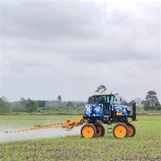
As the ATV moves forward, the pressurized liquid is forced through the nozzles on the booms. The nozzles break the liquid into droplets, which are then dispersed over the target area. The speed of the ATV, the pressure of the pump, and the type of nozzles all play a role in determining the coverage rate and the effectiveness of the spraying. For example, a slower speed and higher pressure may result in better coverage, but it may also increase the risk of over - application.
Monitoring and Adjusting
During the spraying process, it is important to monitor the system continuously. This includes checking the pressure gauge to ensure that the pump is operating at the correct pressure, inspecting the booms for any signs of damage or blockage, and observing the coverage pattern to ensure that the chemical is being applied evenly. If necessary, adjustments can be made to the speed of the ATV, the pressure of the pump, or the position of the booms.
3. Advantages of ATV Sprayers with Booms
Mobility
One of the significant advantages of ATV sprayers with booms is their mobility. ATVs can easily navigate through rough terrain, such as fields with uneven ground, orchards with narrow rows, or areas with limited access. This makes them suitable for a wide range of applications, including spraying in small - scale farms, vineyards, and gardens.
Efficiency
The booms on ATV sprayers allow for a wide coverage area in a single pass. This means that large areas can be sprayed quickly and efficiently, reducing the time and labor required for the spraying process. Compared to manual spraying, ATV sprayers with booms can cover a much larger area in a shorter period.
Precision
With the ability to adjust the height and width of the booms and select different types of nozzles, ATV sprayers with booms offer a high level of precision in chemical application. This helps to ensure that the chemical is applied only to the target area, reducing the risk of environmental contamination and over - application.
Cost - effectiveness
ATV sprayers with booms are generally more cost - effective than larger, self - propelled sprayers. They require less initial investment and lower operating costs, making them a popular choice for small and medium - sized farms and horticultural businesses.
4. Different Types of ATV Sprayers with Booms
There are various types of ATV sprayers with booms available in the market, each designed for specific applications.
Front Boom Self - propelled Sprayers
These sprayers have a boom attached to the front of the ATV. They are suitable for applications where a forward - facing spraying pattern is required, such as spraying along the edges of fields or in narrow rows. The front - mounted boom allows for better visibility and control during the spraying process.
Hydraulic Boom Sprayers
Hydraulic boom sprayers use a hydraulic system to control the movement of the booms. This allows for more precise and flexible adjustment of the booms, such as raising and lowering the booms or folding them for transportation. Hydraulic boom sprayers are often used in larger - scale applications where more advanced control is required.
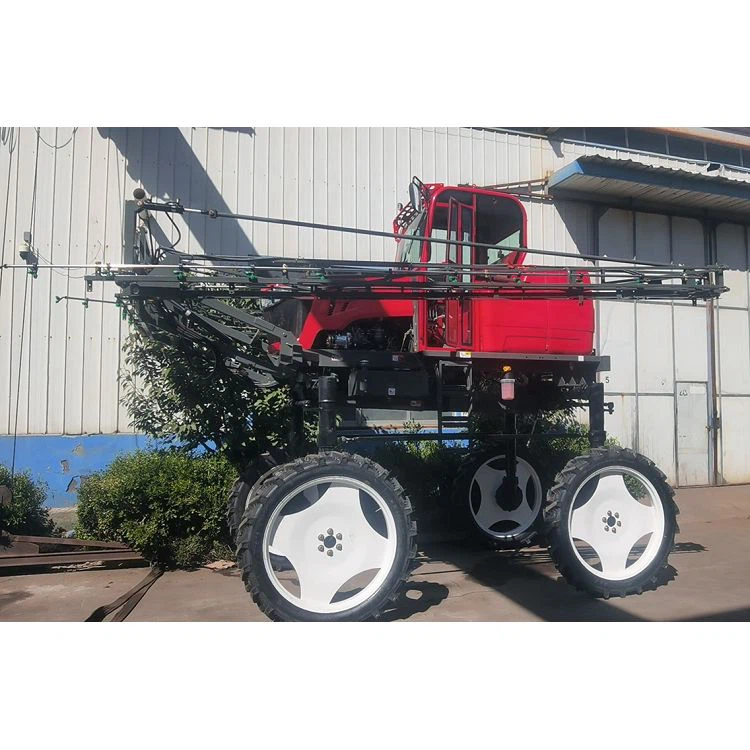
High Clearance Boom Sprayers
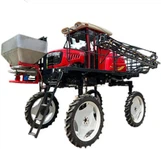
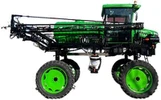
High clearance boom sprayers are designed for spraying in crops that have grown to a significant height. The booms are mounted at a higher position to avoid damaging the crops, and they can be adjusted to provide adequate coverage over the tall plants. These sprayers are commonly used in corn fields, sugarcane fields, and other tall - crop applications.
5. Conclusion and Call to Action
In conclusion, ATV sprayers with booms are versatile and efficient tools for chemical application in various fields. Their mobility, efficiency, precision, and cost - effectiveness make them a popular choice for farmers, horticulturists, and other professionals. As a supplier of ATV sprayers with booms, we offer a wide range of products to meet the different needs of our customers. Whether you are looking for a small - scale sprayer for a garden or a large - scale sprayer for a commercial farm, we have the right solution for you.
If you are interested in learning more about our ATV sprayers with booms or are considering a purchase, we encourage you to contact us. Our team of experts is ready to provide you with detailed information, answer your questions, and assist you in selecting the most suitable sprayer for your specific requirements. Let's start a conversation about how our products can enhance your spraying operations.
References
- Smith, J. (2018). Agricultural Spraying Equipment: Principles and Practices. Publisher XYZ.
- Johnson, A. (2020). Guide to ATV Sprayers. ABC Publishing.
- Brown, R. (2019). Chemical Application in Horticulture. DEF Press.