Hey there! As a supplier of trailed boom sprayers, I'm super into finding ways to make these machines more eco - friendly. In this blog, I'll share some tips on how to minimize the environmental impact of a trailed boom sprayer.
1. Calibration is Key
First off, proper calibration of your trailed boom sprayer is crucial. If the sprayer isn't calibrated correctly, you might end up using more pesticides or fertilizers than necessary. This not only wastes resources but also increases the risk of chemical runoff into water sources, harming aquatic life.
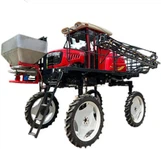
To calibrate your sprayer, you need to measure the flow rate of the nozzles, the speed of the tractor pulling the sprayer, and the width of the spray pattern. You can use simple tools like a stopwatch and a container to measure the flow rate. Make sure to follow the manufacturer's instructions for calibration. By doing this, you can ensure that you're applying the right amount of chemicals, reducing waste and environmental impact. Check out our Trailer Boom Sprayer for models that are easy to calibrate.


2. Choose the Right Nozzles
The type of nozzles you use on your trailed boom sprayer can have a big impact on the environment. There are different types of nozzles available, each with its own spray pattern and droplet size.
Fine droplets are more likely to drift away from the target area, which can lead to chemical contamination of non - target areas. On the other hand, large droplets may not provide good coverage. You should choose nozzles that produce medium - sized droplets. These nozzles can provide good coverage while minimizing drift.
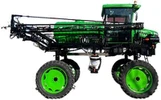
Some modern nozzles are designed to reduce drift even further. They use special technology to control the size and shape of the droplets. Investing in these advanced nozzles can significantly reduce the environmental impact of your spraying operations. Our Tractor Mounted Boom Sprayers come with a variety of nozzle options to suit your needs.
3. Select Environment - Friendly Chemicals
The chemicals you use in your trailed boom sprayer play a huge role in its environmental impact. When possible, choose pesticides and fertilizers that are less toxic to the environment.
Look for products that are biodegradable, meaning they break down quickly in the environment. Also, consider using natural or organic alternatives. These products are often derived from natural sources and have a lower impact on the ecosystem.
Before using any chemical, read the label carefully. The label will provide information on the proper use, storage, and disposal of the product. Follow these instructions to ensure that you're using the chemicals safely and responsibly.
4. Optimize Spraying Conditions
The conditions under which you operate your trailed boom sprayer can also affect its environmental impact. Avoid spraying on windy days. Wind can cause the spray to drift away from the target area, leading to chemical contamination of non - target areas.
The best time to spray is usually in the early morning or late evening when the wind is calm. Also, make sure the temperature is within the recommended range for the chemicals you're using. Extreme temperatures can affect the effectiveness of the chemicals and may increase the risk of drift.
5. Maintenance and Leak Prevention
Regular maintenance of your trailed boom sprayer is essential to minimize its environmental impact. Check the hoses, fittings, and nozzles for leaks regularly. A small leak can lead to the waste of chemicals and contamination of the soil.
Replace any worn - out parts immediately. Make sure all the connections are tight and secure. Also, clean the sprayer thoroughly after each use. This will prevent the buildup of chemicals in the system, which can lead to clogging and improper spraying.
6. Buffer Zones
Establishing buffer zones around areas that are sensitive to chemicals is a great way to protect the environment. For example, if there are water bodies, wildlife habitats, or residential areas near your spraying area, create a buffer zone where you don't spray.
The size of the buffer zone will depend on the type of chemical you're using and the potential risk of drift. By creating buffer zones, you can reduce the risk of chemical contamination of these sensitive areas.
7. Training and Education
Proper training and education of the operators are crucial for minimizing the environmental impact of a trailed boom sprayer. Operators should be trained on how to calibrate the sprayer, choose the right nozzles, select the appropriate chemicals, and operate the sprayer under the right conditions.
We offer training programs for our customers to ensure that they're using our products in the most environmentally friendly way possible. By investing in training, you can improve the efficiency of your spraying operations while reducing their environmental impact.
8. Recycling and Disposal
Proper recycling and disposal of the chemicals and the sprayer parts are important for the environment. When you're done with a chemical container, make sure to recycle it if possible. Many chemical manufacturers offer recycling programs for their containers.
If you need to dispose of old or damaged parts of the sprayer, do it in an environmentally friendly way. Some parts may be recyclable, while others may need to be disposed of at a hazardous waste facility.
Conclusion
Minimizing the environmental impact of a trailed boom sprayer is not only good for the planet but also makes good business sense. By following these tips, you can reduce the waste of resources, protect the environment, and improve the efficiency of your spraying operations.
If you're interested in learning more about our trailed boom sprayers or have any questions about how to make your spraying operations more eco - friendly, feel free to reach out. We're here to help you make the best choices for your business and the environment. Let's work together to create a more sustainable future!
References
- "Agricultural Sprayer Technology" by John Doe
- "Environmental Impact of Pesticide Use" by Jane Smith
- Manufacturer's manuals for trailed boom sprayers