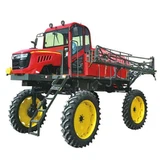
As a supplier of Hydraulic Boom Sprayers, I've witnessed firsthand the widespread use and benefits of these machines in the agricultural sector. They are highly efficient tools for applying pesticides, fertilizers, and herbicides over large areas of farmland. However, like any piece of equipment, hydraulic boom sprayers come with their own set of disadvantages. In this blog post, I'll delve into some of the drawbacks associated with these sprayers to provide a comprehensive view for potential buyers.
High Initial Investment
One of the most significant disadvantages of hydraulic boom sprayers is the high initial cost. These machines are complex pieces of equipment that require advanced technology and precision engineering to function effectively. The cost of purchasing a hydraulic boom sprayer can range from several thousand to tens of thousands of dollars, depending on the size, features, and brand. For small - scale farmers or those with limited budgets, this upfront investment can be a major barrier.


The high cost is due to several factors. First, the boom itself, which is the long, horizontal structure that holds the nozzles, needs to be made of high - quality materials to ensure durability and stability. Additionally, the hydraulic system, which is responsible for extending and retracting the boom, as well as controlling the flow of the spraying liquid, requires sophisticated components. These components are often expensive to manufacture and maintain.
Maintenance Requirements
Hydraulic boom sprayers demand regular and meticulous maintenance to ensure optimal performance. The hydraulic system is particularly prone to issues. Hydraulic fluid needs to be changed at regular intervals to prevent contamination and ensure smooth operation. If the fluid is not changed on time, it can lead to reduced efficiency, increased wear and tear on the system components, and even system failure.
The nozzles on the boom also require frequent cleaning and inspection. Clogged nozzles can result in uneven spraying, which can lead to under - or over - application of pesticides or fertilizers. This not only affects the effectiveness of the treatment but can also have environmental implications. Moreover, the boom structure itself needs to be inspected for any signs of damage, such as cracks or bends, which can compromise its stability during operation.
Limited Maneuverability
Another drawback of hydraulic boom sprayers is their limited maneuverability. These sprayers are typically large and heavy machines, which can make them difficult to navigate in fields with irregular terrain or obstacles. The long boom can get caught on trees, fences, or other structures, causing damage to the equipment.
In addition, the turning radius of hydraulic boom sprayers is often relatively large. This means that farmers may have difficulty making sharp turns at the end of rows, especially in small or oddly - shaped fields. As a result, some areas of the field may be left untreated, or the operator may need to make multiple passes to cover the entire area, which can increase the time and cost of the spraying operation.
Environmental Impact
While hydraulic boom sprayers are designed to apply pesticides and fertilizers efficiently, they can also have a negative impact on the environment. One of the main concerns is spray drift. Spray drift occurs when the fine droplets of the spraying liquid are carried by the wind away from the target area. This can lead to the contamination of nearby water sources, non - target plants, and even wildlife habitats.
The use of hydraulic boom sprayers also requires a significant amount of water. In regions where water is scarce, this can be a major issue. Moreover, the chemicals used in the spraying process can have long - term effects on soil quality if not applied correctly. Over - application of pesticides or fertilizers can lead to soil degradation, reduced biodiversity, and increased resistance among pests.
Operator Skill Requirements
Operating a hydraulic boom sprayer requires a certain level of skill and training. The operator needs to be familiar with the hydraulic system, the controls for the boom, and the proper calibration of the spraying equipment. Incorrect operation can lead to a variety of problems, such as uneven spraying, excessive use of chemicals, and damage to the equipment.
For example, if the operator does not set the correct pressure for the hydraulic system, the boom may not extend or retract properly, or the spraying liquid may not be applied at the correct rate. Additionally, the operator needs to be able to adjust the spraying pattern based on the type of crop, the terrain, and the weather conditions. This requires experience and knowledge that may not be readily available to all farmers.
Compatibility Issues
Hydraulic boom sprayers may also face compatibility issues with different types of chemicals and fertilizers. Some chemicals may be too abrasive or corrosive for the materials used in the sprayer, which can lead to damage to the tank, hoses, and nozzles. In addition, certain fertilizers may have a high viscosity, which can cause problems with the flow of the liquid through the hydraulic system.
Furthermore, the boom sprayer may not be compatible with all types of crops. For example, in some cases, the long boom may damage delicate crops during operation. This means that farmers may need to invest in additional equipment or modify their spraying techniques to suit different crops, which can add to the overall cost and complexity of the operation.
Weather Dependence
The effectiveness of hydraulic boom sprayers is highly dependent on weather conditions. Windy conditions can cause significant spray drift, as mentioned earlier. High temperatures can also affect the evaporation rate of the spraying liquid, which can lead to uneven application. Rain can wash away the applied chemicals before they have a chance to take effect, rendering the spraying operation ineffective.
Farmers often need to wait for favorable weather conditions to carry out spraying operations, which can delay the treatment of their crops. This can be a major problem, especially in situations where pests or diseases need to be controlled quickly to prevent significant damage to the crop.
Conclusion
Despite these disadvantages, hydraulic boom sprayers remain a popular choice in the agricultural industry due to their efficiency and ability to cover large areas. However, it's important for farmers and potential buyers to be aware of these drawbacks before making a purchase. By understanding the limitations of these machines, they can make informed decisions and take appropriate measures to mitigate the associated risks.
If you're considering purchasing a Hydraulic Boom Sprayers, Boom Weed Sprayers, or High Clearance Boom Sprayers, we're here to help. Our team of experts can provide you with detailed information about the products, including how to address the potential disadvantages. We can also assist you in choosing the right sprayer for your specific needs. Contact us to start a discussion about your procurement requirements and let's work together to find the best solution for your farm.
References
- Agricultural Machinery Handbook, various editions
- Journal of Agricultural Engineering Research on sprayer technology
- Industry reports on hydraulic boom sprayer performance and limitations