Hey there! As a front boom sprayers supplier, I often get asked about the fuel consumption of these machines. It's a crucial question, especially for farmers and agricultural businesses looking to manage their costs and improve efficiency. In this blog, I'll break down the factors that affect the fuel consumption of front boom sprayers and give you some tips on how to optimize it.
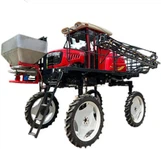
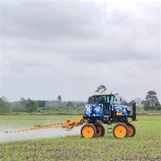
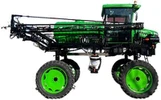
First off, let's understand what a front boom sprayer is. It's a type of agricultural equipment used for spraying pesticides, fertilizers, and other chemicals over large areas of farmland. The boom, which is the long arm that extends out from the sprayer, allows for a wide coverage area, making it a popular choice for large - scale farming operations.
Factors Affecting Fuel Consumption
1. Sprayer Size and Capacity
The size and capacity of the front boom sprayer play a significant role in fuel consumption. Larger sprayers with bigger tanks and longer booms generally require more power to operate. For example, a sprayer with a large 700 - liter tank will need more energy to pump the liquid through the system compared to a smaller one. The 700l Boom Sprayers, like the ones you can find here, are designed for large - scale operations but may consume more fuel because of their size.
2. Operating Pressure
The pressure at which the sprayer operates also affects fuel consumption. Higher operating pressures mean the pump has to work harder, which in turn uses more fuel. If you set your front boom sprayer to a very high pressure to achieve a fine mist or to spray over a longer distance, you'll notice an increase in fuel usage. It's important to find the right balance between the pressure needed for effective spraying and fuel efficiency.
3. Speed of Operation
The speed at which you drive the tractor or vehicle pulling the front boom sprayer matters. Driving too fast can lead to uneven spraying and may also increase fuel consumption. On the other hand, driving too slow can be time - consuming and may not be cost - effective in the long run. You need to find an optimal speed that allows for proper coverage while keeping fuel usage in check.
4. Type of Chemical Being Sprayed
Different chemicals have different viscosities. Thicker chemicals are more difficult to pump and may require more power, thus increasing fuel consumption. For instance, some fertilizers or pesticides with a high concentration may be more viscous than others, and spraying them will use more fuel.
5. Terrain and Field Conditions
If you're working on hilly or rough terrain, the tractor has to work harder to move the front boom sprayer, which leads to higher fuel consumption. Also, fields with a lot of obstacles or uneven ground can cause the sprayer to operate less efficiently, using more fuel as a result.
Calculating Fuel Consumption
Calculating the fuel consumption of a front boom sprayer isn't an exact science, but there are some general guidelines you can follow. First, you need to know the fuel consumption rate of the tractor or vehicle pulling the sprayer. This information is usually available in the tractor's manual. Then, you need to consider the additional load that the sprayer adds to the tractor.
A simple way to estimate fuel consumption is to measure the amount of fuel used during a specific spraying operation and divide it by the area covered. For example, if you use 10 liters of fuel to spray 5 hectares of land, your fuel consumption rate is 2 liters per hectare. Keep in mind that this is just an estimate and actual consumption may vary depending on the factors mentioned above.
Tips to Optimize Fuel Consumption
1. Regular Maintenance
Keeping your front boom sprayer and tractor in good condition is essential for fuel efficiency. Regularly check and clean the nozzles to ensure proper spraying. A clogged nozzle can cause the pump to work harder, using more fuel. Also, maintain the tractor's engine, change the oil and filters as recommended, and keep the tires properly inflated.
2. Use the Right Nozzles
Choosing the right nozzles for your spraying needs can make a big difference. Nozzles that are too large or too small for the job can lead to inefficient spraying and increased fuel consumption. Make sure to select nozzles that are appropriate for the chemical being sprayed and the desired spray pattern.
3. Plan Your Routes
Before you start spraying, plan your routes carefully. Try to minimize the amount of back - and - forth movement and turns. This will reduce the distance traveled and the time spent spraying, ultimately saving fuel.
4. Adjust Operating Pressure
As mentioned earlier, find the right operating pressure for your spraying job. Don't use more pressure than necessary. You can test different pressure settings on a small area first to see what works best.
Different Types of Front Boom Sprayers and Their Fuel Consumption
There are different types of front boom sprayers, such as hydraulic boom sprayers and boom weed sprayers. Each type may have different fuel consumption characteristics.
Hydraulic boom sprayers, like the ones you can learn more about here, use hydraulic power to operate the boom and the spraying system. These sprayers can be very efficient, but their fuel consumption depends on the size of the hydraulic system and the power of the tractor. Larger hydraulic systems may require more fuel to operate.
Boom weed sprayers, which you can check out here, are designed specifically for weed control. They may have different spraying requirements compared to general - purpose front boom sprayers. For example, they may need to operate at a lower pressure in some cases, which can affect fuel consumption.
Conclusion
In conclusion, the fuel consumption of front boom sprayers is influenced by several factors, including size, operating pressure, speed, type of chemical, and terrain. By understanding these factors and following the tips for optimization, you can reduce fuel costs and improve the efficiency of your spraying operations.


If you're in the market for a front boom sprayer or have any questions about fuel consumption, feel free to reach out. We're here to help you make the best choice for your agricultural needs. Whether you're looking for a Hydraulic Boom Sprayers, Boom Weed Sprayers, or 700l Boom Sprayers, we've got you covered. Contact us to start a procurement discussion and find the perfect front boom sprayer for your farm.
References
- Agricultural Machinery Handbook
- Tractor and Sprayer Manufacturer Manuals