Yo, fellow farmers and agricultural enthusiasts! As a supplier of boom sprayers, I get a ton of questions about all sorts of stuff related to these machines. One of the most common questions I've been asked is, "What is the spraying angle of a boom sprayer?" Today, I'm gonna break it down for you in plain English.
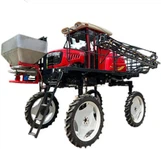
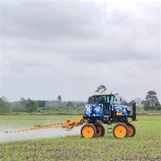
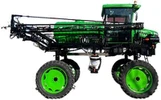
First off, let me give you a quick intro to what a boom sprayer is. A boom sprayer is a machine used in agriculture to apply liquids like pesticides, fertilizers, and herbicides over a large area. It consists of a tank to hold the liquid, a pump to pressurize it, and a boom - that's the long, horizontal arm with nozzles attached. The boom is what allows the sprayer to cover a wide swath of land in one pass.
Now, let's talk about the spraying angle. The spraying angle of a boom sprayer refers to the angle at which the nozzles on the boom disperse the liquid. This angle can have a huge impact on how effectively the spray covers the target area.
There are different types of spraying angles available, and the most common ones range from around 60 degrees to 120 degrees. A narrow - angle nozzle, say a 60 - degree one, is great for situations where you need more precision. It directs the spray more precisely onto a smaller area. This can be really useful when you're spraying in rows and want to make sure you're only hitting the plants you're targeting, without getting the spray on surrounding areas.
On the other hand, a wide - angle nozzle, like a 120 - degree one, covers a much broader area. This is ideal for when you're working on large, open fields. With a wide spraying angle, you can cover more ground in less time, which is a huge advantage when you've got a lot of acreage to cover.
But it's not just about the angle itself. The height at which the boom is set also affects how the spray is distributed. If the boom is too low, the narrow - angle spray might not spread out enough, and you could end up with uneven coverage. If it's too high, the wide - angle spray might start to drift, which can cause problems like over - spraying some areas and under - spraying others.


So, how do you choose the right spraying angle for your needs? Well, it depends on a few factors.
Factors to Consider When Choosing the Spraying Angle
1. Crop Type
Different crops have different needs. For example, if you're growing wheat or other grains, a wide - angle nozzle might be the way to go. These crops are usually planted in large, uniform fields, and you can cover a lot of ground quickly. You can check out our Front Boom Self - propelled Sprayers which are great for large - scale grain farming.
On the other hand, if you're growing fruits or vegetables in raised beds or in a more confined space, a narrow - angle nozzle would be better. It allows you to be more precise with your spraying and avoid getting the chemicals on areas that don't need them. Our Tractor Mounted Boom Sprayers can be adjusted to work with different nozzle angles, making them suitable for a variety of crops.
2. Field Size
As I mentioned earlier, the size of your field matters. If you've got a small field or a garden, a narrow - angle nozzle might be sufficient. You don't need to cover a huge area quickly, and you can afford to take your time to ensure accurate spraying.
However, if you're dealing with hundreds or thousands of acres, a wide - angle nozzle is a must. It'll save you a ton of time and effort. Our 12m Boom Sprayer is a great option for large - scale operations, with adjustable nozzles to give you the best coverage.
3. Weather Conditions
Wind is a big factor when it comes to spraying. In windy conditions, wide - angle nozzles are more prone to drift. The spray can be carried by the wind and end up in areas where you don't want it. So, if it's a windy day, you might want to use a narrow - angle nozzle and keep the boom height as low as possible to minimize drift.
If the weather is calm, you can be more flexible with your choice. But always keep an eye on the wind direction and speed, and adjust your spraying accordingly.
Testing and Adjusting
Once you've chosen a spraying angle, it's a good idea to do some testing on a small area first. This will allow you to see how the spray is distributed and make any necessary adjustments. You can check for things like even coverage, drift, and whether the spray is reaching the target plants effectively.
If you find that the coverage is uneven, you might need to adjust the boom height or the pressure of the pump. Sometimes, a small tweak can make a big difference in the quality of the spraying.
Maintenance of the Nozzles
To ensure that your boom sprayer is working at its best, it's important to maintain the nozzles properly. Over time, nozzles can get clogged with dirt, debris, or dried chemicals. This can affect the spraying angle and the overall performance of the sprayer.
Regularly clean the nozzles according to the manufacturer's instructions. You can also inspect them for wear and tear and replace them if necessary. A well - maintained set of nozzles will give you consistent and accurate spraying results.
Conclusion
In conclusion, the spraying angle of a boom sprayer is a crucial factor that can greatly affect the efficiency and effectiveness of your spraying operations. By understanding the different types of spraying angles and considering factors like crop type, field size, and weather conditions, you can choose the right angle for your needs. And don't forget to do some testing and maintenance to keep your sprayer in top shape.
If you're in the market for a boom sprayer or need more information about choosing the right spraying angle, feel free to reach out. We've got a wide range of high - quality boom sprayers and a team of experts who can help you make the best decision for your farm. Let's get your fields sprayed right!
References
- Agricultural Machinery Handbook, various editions.
- Journal of Agricultural Engineering Research, articles related to boom sprayer technology.